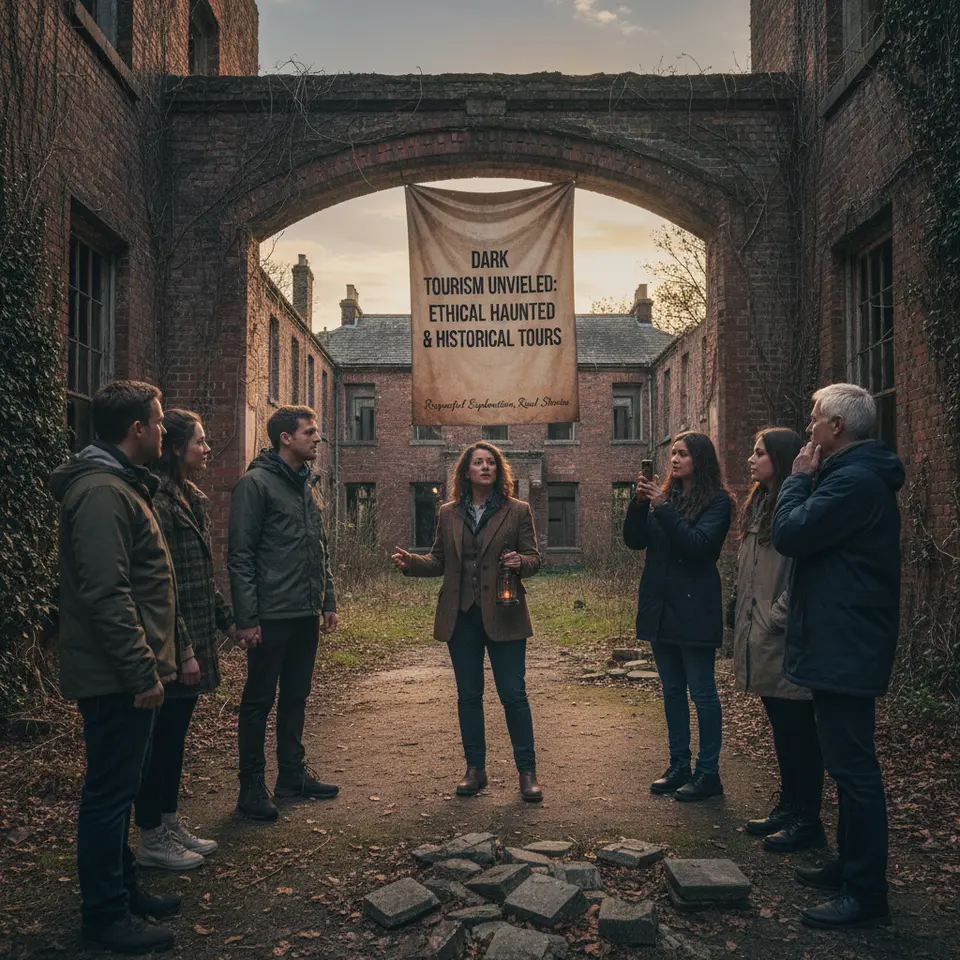
In today’s digital landscape, travelers increasingly seek immersive and unconventional experiences that transcend typical sightseeing itineraries. One such trend, known as dark tourism, invites curious individuals to explore sites tied to historical tragedies, haunting legends, and the somber echoes of human suffering. Rather than simply marvel at architectural beauty or enjoy scenic vistas, enthusiasts of dark tourism engage with locations that bear witness to moments of profound significance. From former battlefields and memorials to abandoned asylums and sites of industrial disasters, each destination holds a narrative that contributes to our collective understanding of history and humanity.
Currently, dark tourism has grown into a multifaceted phenomenon that blends education, reflection, and, at times, emotional intensity. Visitors are drawn not only to the thrill of exploring the macabre but also to the opportunity to pay respects to those who endured unimaginable hardships. Properly undertaken, dark tourism transforms into an educational journey that fosters empathy and deeper historical awareness. This year (2026), countless travelers incorporate these destinations into their itineraries, reflecting a desire to engage meaningfully with the past rather than simply observe from a distance.
Throughout this comprehensive guide, we will outline essential concepts, highlight notable global destinations, examine ethical considerations, and provide practical planning and safety recommendations. By approaching dark tourism with respect, careful research, and mindful intent, you can embark on a journey that is both impactful and responsible. Whether you’re a seasoned explorer or new to this intriguing niche, this article will equip you with the knowledge and tools needed to navigate dark tourism responsibly and thoughtfully.
Tracing the Origins and Definitions of Dark Tourism
Defining Dark Tourism
Dark tourism refers to journeys to places historically associated with death, tragedy, or the macabre. Unlike conventional travel that emphasizes leisure and aesthetics, dark tourism focuses on sites where significant human suffering has occurred. Scholars and tourism experts debate its scope, with definitions ranging from visits to battlefields and disaster zones to museum exhibitions on past atrocities. The term itself gained academic traction in the early twenty-first century as research institutions began documenting travel trends that center around grim attractions. Today, this form of tourism represents a meaningful avenue for individuals seeking to engage with the darker chapters of history while fostering reflection and remembrance.
Historical Context and Evolution
The roots of dark tourism can be traced back to pilgrimages and commemorative visits that date centuries. For example, medieval pilgrims traveled to sites of martyrdom, while later generations journeyed to battlefields to pay tribute to fallen soldiers. In today’s context, dark tourism expands these traditions by incorporating modern interpretations and infrastructure. Research from institutions like UNESCO emphasizes the educational potential of preserving such sites as part of our global heritage. By framing dark tourism within a broader historical continuum, we recognize how humanity has long sought to understand tragedy through physical connection with the past.
Key Characteristics and Motivations
Visitors are motivated by various factors when participating in dark tourism. Some seek educational enrichment, aiming to deepen their understanding of historical events and their societal impacts. Others are drawn to the emotional intensity and the sense of confronting mortality firsthand. Curiosity about the macabre, fascination with unexplained phenomena, and the desire to honor victims also play significant roles. Importantly, these motivations underscore the need for sensitivity and respect, reinforcing that dark tourism is not purely a thrill-seeking activity but a complex intersection of education, empathy, and personal growth.
The Role of Technology in Dark Tourism
Advancements in technology have transformed how travelers engage with dark tourism sites. Interactive exhibits, virtual reality tours, and digital archives enable remote audiences to explore challenging histories from anywhere in the world. Yet, nothing fully replaces the visceral impact of standing on ground where history unfolded. In today’s digital landscape, integrating online resources with on-site experiences offers a well-rounded approach, allowing visitors to prepare mentally and emotionally before arriving. This synergy between technology and traditional visitation enhances accessibility, broadens educational outcomes, and promotes global awareness of key historical events.
Highlights of Iconic Dark Tourism Destinations Worldwide
Europe’s Sobering Memorials
Europe hosts several dark tourism destinations that draw millions of visitors annually. Among the most prominent is the Auschwitz-Birkenau Memorial in Poland, a UNESCO World Heritage site where visitors confront the horrors of the Holocaust. Walking through the preserved barracks and crematoria, travelers gain insight into the systematic atrocities committed during the Second World War. Nearby museums offer extensive archives, photographs, and personal testimonies, stressing the importance of collective memory and dedication to preventing similar injustices.
Abandoned Sites and Industrial Disasters
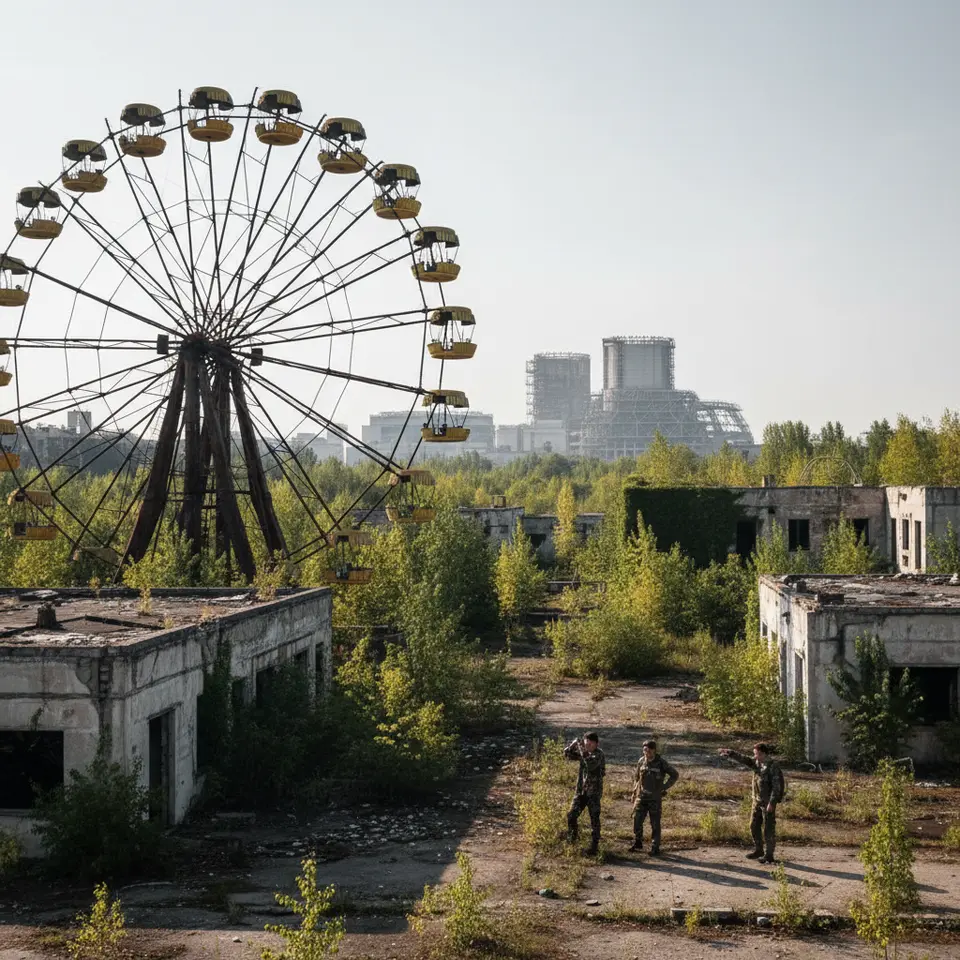
In Ukraine, the Chernobyl Exclusion Zone provides a stark glimpse into the aftermath of the world’s worst nuclear disaster. Tours of the abandoned town of Pripyat and the reactor complex convey the scale of the catastrophe and its lingering environmental impacts. Similarly, the Fukushima exclusion area in Japan illustrates how natural calamities can intersect with industrial risk. Guided expeditions to these sites, when permissible, require adherence to strict safety protocols and reflect a commitment to understanding the complex interplay between humanity and technology.
Haunted Castles and Asylums
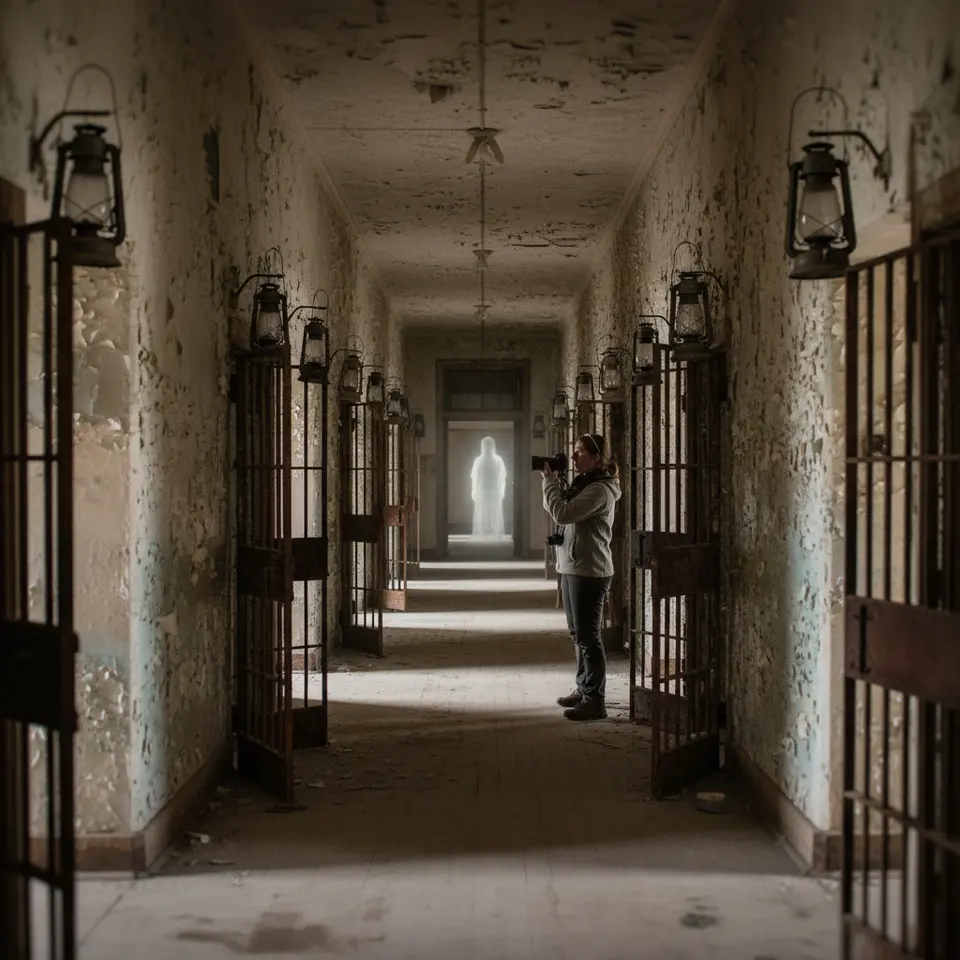
Haunted attractions have long fascinated visitors seeking encounters with the supernatural. The Trans-Allegheny Lunatic Asylum in West Virginia offers ghost tours that delve into the institution’s history of overcrowding and radical treatments. In Europe, numerous medieval castles claim stories of spirits and unexplained occurrences. While these tours often mix folklore with documented history, they emphasize respect for both the architectural heritage and the memories of former inhabitants. Responsible operators maintain informative narratives, grounded in research, to balance entertainment with education.
Battlefields and Memorial Parks
Battlefields such as the Somme in France and Gettysburg in the United States serve as open-air classrooms. At Gettysburg National Military Park, managed by the National Park Service, guided walking tours, ranger talks, and interactive exhibits explore pivotal moments of the American Civil War. Similarly, the Somme offensive sites feature preserved trenches, memorials, and museums that demonstrate the human cost of warfare. These spaces encourage contemplation of conflict’s enduring impact, fostering dialogue on peace and reconciliation.
Global Perspectives
Beyond Europe and North America, dark tourism experiences span diverse cultural contexts. In Latin America, sites commemorating civil conflicts and political upheavals, such as Argentina’s Parque de la Memoria in Buenos Aires, invite visitors to reflect on state-sponsored violence. In Cambodia, the Killing Fields and Tuol Sleng Genocide Museum offer solemn reminders of the Khmer Rouge regime’s brutality. These sites, often supported by academic research from institutions like major universities, integrate educational programs to ensure that lessons of the past resonate with global audiences. Each destination enriches dark tourism by showcasing how societies worldwide grapple with collective trauma and remembrance.
Navigating Ethical Dimensions in Dark Tourism
Respecting Historical Context
Engaging with dark tourism destinations demands a conscientious approach. Fundamental to ethical visitation is understanding the historical context of each site. Prior to traveling, conduct thorough research using reliable sources such as academic journals and official archives. This preparation helps visitors appreciate the gravity of past events and discourages any form of sensationalism. For example, reading firsthand accounts or scholarly analyses can provide essential perspectives on the lived experiences of victims and survivors.
Avoiding Exploitation and Sensationalism
While some operators may market shock value to attract tourists, responsible travelers prioritize sites that honor victims and maintain accurate interpretations of history. Avoid tours that emphasize dramatic reenactments or encourage disrespectful behavior. Photography guidelines, often outlined by site managers, should be observed vigilantly. Refrain from taking images that trivialize suffering or disrupt memorial ceremonies. Ethical visitors recognize that every photograph carries both educational potential and moral responsibility.
Pledging Support to Local Communities
Dark tourism can yield financial benefits for host regions, but equitable distribution of revenue is not guaranteed. Seek out local guides and community-led initiatives whenever possible. Purchasing tickets directly from official organizations and donating to preservation funds help sustain ongoing maintenance and educational programs. In some locations, proceeds may support survivor networks or grassroots memorial projects. By allocating resources mindfully, travelers contribute to the stewardship of cultural heritage and support collective healing processes.
Reflecting on Personal Motivations
Introspection plays a vital role in ethical dark tourism. Before embarking on a journey, consider your underlying motivations. Are you seeking genuine historical insight or merely chasing an adrenaline rush? A moment of self-reflection can guide respectful behavior and enhance personal growth. Journaling impressions, engaging in discussions with fellow travelers, and participating in commemorative events can foster a deeper connection with the narratives encountered on site.
Guidelines from Experts
Leading research centers and government agencies provide frameworks for responsible dark tourism. The Centers for Disease Control and Prevention offers safety recommendations for visitors to potentially hazardous sites, while UNESCO guidelines emphasize cultural preservation principles. Reviewing these expert resources ensures a balanced understanding of both ethical and practical considerations. In today’s digital landscape, integrating expert advice with local customs facilitates a respectful and enriching exploration of challenging histories.
Crafting a Thoughtful Dark Tourism Itinerary
Research and Preparation
Effective planning enhances both safety and educational outcomes for dark tourism experiences. Begin by creating a detailed list of desired destinations, prioritizing sites aligned with personal interests and historical themes. Consult official websites and academic databases to verify access requirements, guided-tour schedules, and ticketing procedures. Many locales, including exclusion zones and restricted memorials, mandate prior registration or permits. Early planning not only guarantees entry but also supports site maintenance and community-centered programming.
Selecting Reputable Tour Operators
Choosing the right tour provider is crucial for an informed visit. Reputable operators employ licensed guides with specialized training in history, archaeology, or cultural studies. Review customer testimonials and industry certifications before booking. Transparent communication about itineraries, safety measures, and educational goals helps establish expectations. Opt for small-group excursions when possible, as they often offer personalized interactions and reduce environmental impact.
Packing Essentials and Gear
Packing with purpose ensures comfort and preparedness. Robust, weather-appropriate clothing and sturdy footwear are nonnegotiable for exploring uneven terrain or decayed structures. Bring a high-quality flashlight, portable power bank, and personal protective equipment such as gloves and dust masks, especially when visiting abandoned buildings. A notebook or digital recorder proves invaluable for capturing reflections and historical details. Additionally, include basic first-aid supplies and emergency contact information, aligning with guidance from recognized health authorities.
Balancing Intensity and Self-Care
While dark tourism offers profound educational value, exposure to sites of tragedy can evoke emotional stress. Schedule downtime between visits to process experiences and maintain mental well-being. Incorporate lighter cultural activities, such as local art exhibitions or culinary tours, to recharge. Mindful breathing exercises and journaling can help contextualize challenging encounters, fostering a healthier mindset throughout the journey.
Building a Flexible Schedule
Flexibility is a cornerstone of successful trip planning. Terrain, weather conditions, and site restrictions can necessitate itinerary adjustments. Allocate buffer days to accommodate unforeseen changes, group dynamics, or extended reflection periods. Documenting daily experiences through photographs and written notes not only enriches personal narratives but also contributes to broader educational objectives when sharing insights with other travelers or academic communities.
Prioritizing Safety and Well-being in Dark Tourism Experiences
Understanding Environmental Risks
Many dark tourism sites pose unique hazards, from unstable structures to environmental contamination. Former industrial facilities, nuclear exclusion zones, and deteriorating heritage buildings may present chemical, radiological, or structural dangers. Prior to departure, review hazard reports and safety advisories issued by government agencies. Carrying a Geiger counter or gas detector can offer an additional layer of security when visiting high-risk locations. Adhering strictly to designated paths and safety zones helps prevent accidents and exposure.
Health Precautions and Medical Readiness
Health considerations are integral to any dark tourism adventure. Update all routine vaccinations and consult travel medicine specialists regarding potential chemical or radiation exposure. Pack a comprehensive medical kit that includes personal prescriptions, antiseptics, and medications for common ailments. In remote regions, verify the location of the nearest medical facility and understand evacuation protocols. Traveling with a companion or group offers additional security and ensures prompt assistance in emergencies.
Navigating Legal and Cultural Regulations
Compliance with local laws and cultural norms is paramount. Certain sites enforce dress codes or behavioral restrictions to honor local traditions and preserve solemn atmospheres. Unauthorized photography or trespassing can result in legal penalties and disrespect the memory of affected communities. Research official regulations through government tourism boards or site administrators before arrival. Cultivating cultural sensitivity fosters trust with local stakeholders and enforces a respectful visitor presence.
Mental Health Awareness
Confronting sites of trauma can trigger emotional responses ranging from empathy to distress. Prior to embarking on a trip, assess personal emotional resilience and establish coping strategies. Techniques such as guided meditation, peer support discussions, or consulting mental health professionals can aid in managing distressing emotions. Encourage open dialogue within your travel group about emotional well-being and ensure access to support networks if needed. Recognizing the psychological impact of dark tourism reinforces responsible practices and personal safety.
Emergency Planning and Communication
Effective emergency planning underpins a safe dark tourism experience. Share your itinerary with trusted contacts and establish regular check-in intervals. Carry multiple communication devices, including fully charged mobile phones and satellite messengers if visiting remote areas. Familiarize yourself with emergency numbers and the location of the nearest embassy or consulate, if traveling internationally. By anticipating potential challenges and implementing clear communication channels, travelers safeguard both their own well-being and that of their companions.
FAQs
What is dark tourism?
Dark tourism involves visiting sites historically associated with death, tragedy, or the macabre, offering educational and reflective experiences rather than conventional leisure travel.
How should I prepare for a dark tourism trip?
Thoroughly research your destinations, verify access requirements, select reputable tour operators, and pack appropriate gear and safety equipment to ensure both comfort and preparedness.
What ethical considerations should I keep in mind?
Respect the historical context, avoid sensationalism, adhere to photography guidelines, and support local communities through official channels or donations to preservation funds.
How can I manage the emotional impact?
Balance intense visits with self-care, schedule downtime, practice journaling or meditation, and discuss experiences with fellow travelers or mental health professionals when needed.
Are there health risks associated with dark tourism?
Certain sites may pose environmental or structural hazards. Follow safety advisories, carry necessary medical supplies, update vaccinations, and consider tools like Geiger counters in high-risk areas.
Conclusion
As the concept of dark tourism continues to evolve, it offers individuals an unparalleled opportunity to confront history’s most challenging chapters. By engaging respectfully with sites of tragedy, visitors cultivate empathy, deepen their historical understanding, and contribute to the preservation of collective memory. This year (2026), more travelers than ever seek these immersive journeys, underscoring a shift toward meaningful exploration rather than superficial sightseeing.
Successfully navigating dark tourism requires a thoughtful balance of ethical awareness, meticulous planning, and personal resilience. Conduct comprehensive research, support local communities, and adhere to safety guidelines to ensure responsible visitation. Remember that each site represents real human experiences, and honoring those stories transforms every trip into an act of remembrance and education. Whether traversing battlefields, memorial parks, or abandoned sites, approach your journey with compassion and thoughtful intent. Ultimately, a well-prepared and conscientious approach empowers travelers to turn each encounter into a respectful tribute, ensuring that the lessons of the past resonate with future generations. Embrace this path with curiosity and care, and share your insights to foster informed, empathetic dialogues that transcend borders and time.