Imagine descending beneath the surface of a turquoise ocean to board a sleek mini-submarine, or retiring at dusk to a glass-walled bedroom 10 feet below sea level—all without risking a single drop of water in your hair. In today’s digital landscape, travelers crave more than just postcard-perfect beaches; they yearn for transformative experiences that blur the line between luxury and exploration. Welcome to the world of underwater travel, a niche trend that combines high-end hospitality, cutting-edge marine technology, and immersive encounters with the planet’s most mysterious realm.
As pioneers push the boundaries of hospitality and adventure, underwater travel offers a front-row seat to thriving coral ecosystems, sunken shipwrecks, and schools of tropical fish. Whether you’re a marine biology enthusiast or simply seeking the ultimate Instagram-worthy getaway, these submerged experiences satisfy both wanderlust and curiosity. In this article, we’ll dive deep into the reasons behind the surge in underwater tourism, outline top destinations for submarine tours, explore luxurious underwater hotel stays, and share practical tips for planning, photographing, and protecting your marine playground. Read on to learn how underwater travel can transform your perspective on our planet’s blue frontier, and discover actionable insights to make your next voyage beneath the waves truly unforgettable.
Why Underwater Travel is the Next Frontier
In 2026, immersive experiences top the list of traveler priorities. Underwater travel responds to that craving by offering unprecedented proximity to marine life without the need for scuba certification or snorkel gear. Thanks to advances in submersible design and durable transparent materials, operators can now deliver panoramic views of coral reefs, kelp forests, and even occasional manta ray flybys—all from the comfort of a pressurized cabin.
Beyond the novelty factor, these journeys also address concerns over overcrowded tourist hotspots. Destinations like Bali’s shoreline or the French Riviera can be bustling, but a submarine dive off the coast transports you to an oasis of tranquility. The gentle hum of the vessel’s engines and the soft glow of interior lighting create a serene atmosphere, free from the noise and congestion of land-based attractions. It’s a rare chance to disconnect from the everyday and reconnect with Earth’s largest ecosystem.
Another driving force is the influence of social media. Travelers share stunning porthole portraits and underwater suite selfies, fueling demand for experiences that combine luxury with exclusivity. Operators respond by enhancing guest services—offering gourmet meals, personalized dive narratives, and bespoke underwater lighting schemes that highlight bioluminescent plankton or colorful fish species. This blend of entertainment and education turns each voyage into a learning opportunity, fostering appreciation for marine conservation.
Research from authoritative institutions such as the National Oceanic and Atmospheric Administration confirms that public interest in ocean exploration is at an all-time high. As technology becomes more accessible and costs gradually decline, underwater travel is poised to shed its boutique status and appeal to a broader audience. Whether you’re celebrating a milestone or simply seeking a quiet retreat, exploring the depths today delivers an adventure that resonates long after you’ve resurfaced.
Top Submarine Tour Destinations
Tourist submarines open windows to underwater realms that few travelers ever witness. Here are three standout locales where marine biodiversity and engineering excellence intersect:
Kona Coast, Hawaii
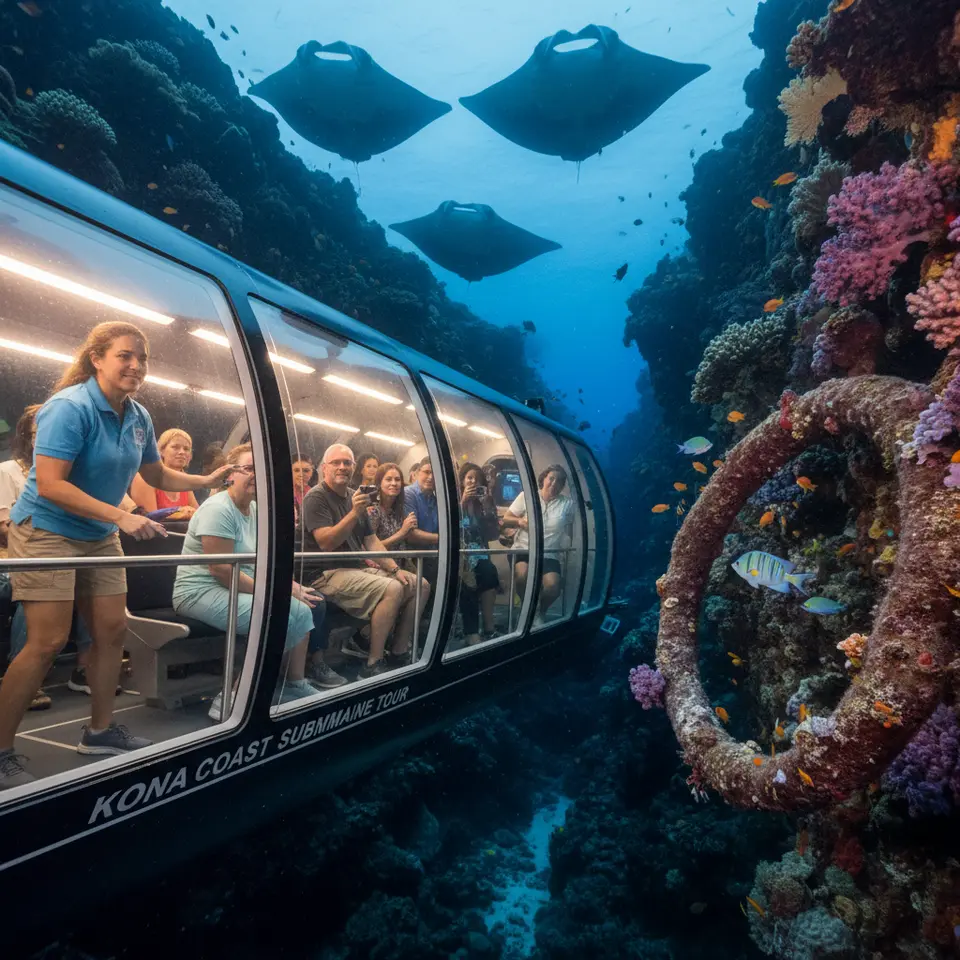
Off the Big Island’s western shoreline, state-of-the-art submersibles ferry guests through lava tubes and coral canyons. These vessels feature floor-to-ceiling acrylic viewing panels, allowing unimpeded vistas of manta rays gliding overhead during nightly feeding sessions. Local marine biologists narrate each dive, highlighting how volcanic geology shapes habitats for reef fish and black coral. Kona Coast tours typically last 60–75 minutes and operate year-round, making this destination a reliable choice for underwater travel enthusiasts.
Dubai, United Arab Emirates
In the shadow of the Burj Al Arab, luxury meets innovation on a private submarine excursion. Descend 30 meters alongside submerged palace ruins and artificial lagoons that host exotic species imported for conservation. Onboard amenities rival those of a five-star yacht—champagne service, gourmet canapés, and personalized audio guides ensure every detail is seamless. This trip showcases how visionary engineering can reshape oceanfront leisure.
Amed, Bali
For those seeking a more grassroots experience, Amed on Bali’s northeastern coast delivers crystal-clear visibility and remarkable biodiversity. Small local operators run three-hour excursions to the USAT Liberty wreck near Tulamben, where reef sharks patrol the sandy bottom and giant trevallies dart through schools of anthias. Guides provide snorkeling instruction before boarding, ensuring passengers feel comfortable and safe throughout the underwater portion of the tour.
When choosing a submarine operator, prioritize vessels with up-to-date certification from recognized safety bodies and those partnering with marine researchers. By selecting eco-conscious tours, you contribute to reef monitoring initiatives and help protect the very ecosystems you came to admire.
Underwater Hotel Experiences
Staying overnight beneath the sea transforms a hotel stay into a captivating marine immersion. Here are three properties redefining hospitality under the waves:
The Manta Resort, Pemba Island
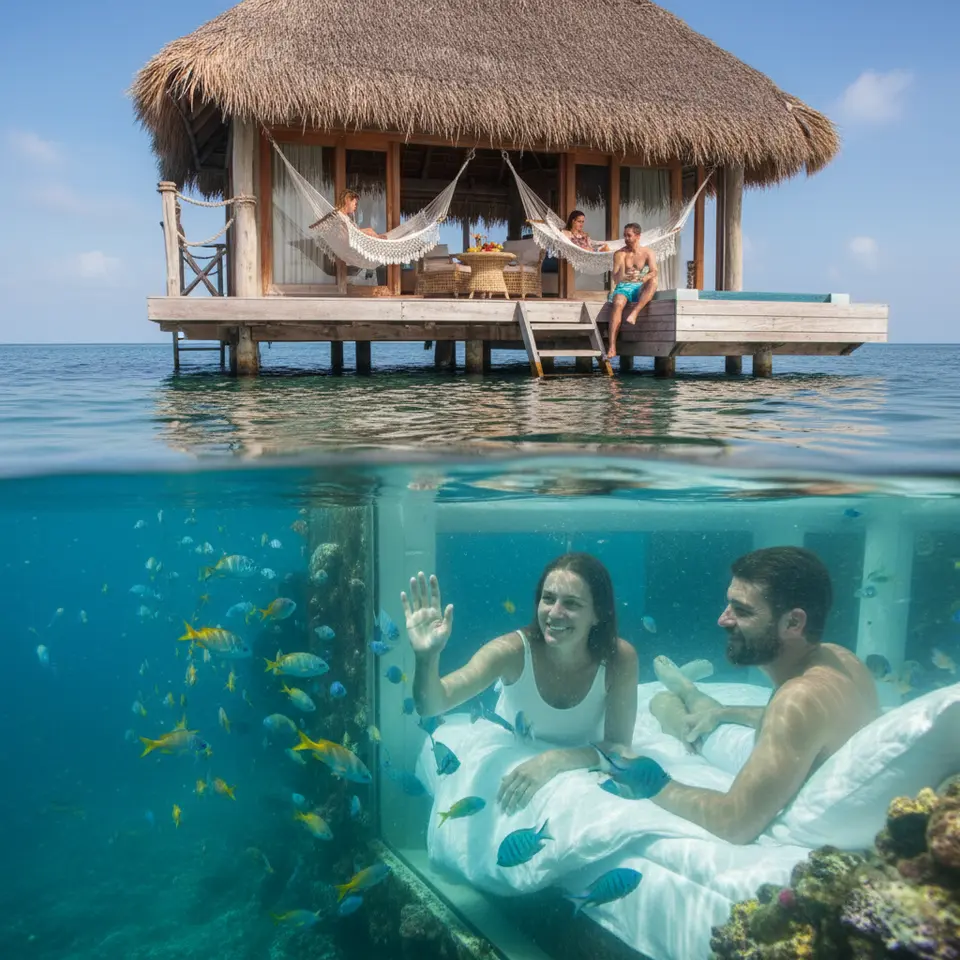
Located off the coast of Tanzania, The Manta Resort offers a one-of-a-kind floating villa featuring an underwater bedroom. Four meters below the surface, expansive glass walls frame schools of reef fish, while bioluminescent plankton often pulse in the darkness, creating a natural light show. Above water, guests enjoy private decks with hammocks and plunge pools. Sustainability is a core value here; the resort partners with local conservation groups to monitor coral health and rehabilitate damaged reef areas.
Conrad Maldives Rangali Island
Famous for Ithaa, the world’s first undersea restaurant, this property also provides the Muraka suite—a two-level residence with an overwater living area and an underwater master bedroom. Floor-to-ceiling windows afford 360-degree views of reef sharks, butterflyfish, and eagle rays. The Conrad’s marine biologists conduct daily snorkeling safaris and educational presentations, offering guests insight into coral bleaching prevention and sustainable fishing practices.
Jules’ Undersea Lodge, Florida Keys
America’s sole underwater hotel requires scuba gear for access via a 21-foot vertical dive. Once inside, guests find a cozy living room, dining area, and six portholes revealing a vibrant reef ecosystem. Electrical systems are designed for redundancy, and emergency protocols meet strict standards set by the Smithsonian Ocean Portal. Accommodation packages include dive instruction, reef stewardship workshops, and nighttime snorkeling to observe parrotfish and octopus activities.
Regardless of which property you choose, prioritize operators with transparent environmental practices. Look for certifications from marine conservation bodies or affiliations with research universities to ensure your stay contributes positively to underwater ecosystems.
Planning Your Underwater Adventure
Embarking on an underwater travel experience demands detailed preparation. Follow these steps to ensure a smooth journey:
Advance Bookings
Because cabin space and submarine berths are limited, reservations can fill up months in advance. Aim to secure your underwater stay or dive tour at least six months before departure. Many operators offer flexible cancellation policies—confirm deadlines for full refunds and credit options in case of itinerary changes.
Health and Safety Considerations
While most submersibles maintain a stable internal pressure, some experiences—like submerged hotel stays—require moderate free-diving or scuba certification. Consult your physician to verify fitness for diving, especially if you have respiratory or cardiovascular conditions. Attend all safety briefings, practice ear-equalization techniques ahead of time, and follow crew instructions to minimize discomfort during descent and ascent.
Packing Essentials
Lightweight, moisture-wicking clothing is ideal for tropical climates, but also pack a light sweater for air-conditioned cabins. Bring polarized sunglasses to reduce glare on boat decks, reef-safe sunscreen free of oxybenzone and octinoxate, and a high-quality waterproof camera or housing. Extra memory cards and batteries ensure you capture every moment.
Sustainability Checklist
Prioritize tour operators with verified environmental policies. They should avoid anchoring on live reefs, treat wastewater responsibly, and engage in coral propagation projects. Inquire about carbon-offset programs or community initiatives supported by your booking fees to ensure your underwater travel has a net-positive impact.
Capturing Memories and Protecting the Ocean
Photographing underwater scenes can be challenging, but careful planning yields stunning results. Here are best practices and budget guidelines for a responsible, memorable trip:
Underwater Photography Tips
- Use a polarizing filter or lens hood to reduce reflections on acrylic windows.
- Adjust white balance settings manually to counteract the blue-green shift underwater.
- Stabilize your camera by leaning it against the hull for sharper images.
- Frame subjects close to the glass to minimize distortion from water.
Cost and Budget Considerations
Underwater travel commands a premium but can be budgeted with foresight. Expect to invest around $150–$350 per person for a single submarine dive, while underwater hotel stays range from $1,000–$3,500 per night. Photography equipment rental or guided photo workshops may add $100–$200. Factor in flights, transfers, and any scuba certification courses if required. Booking bundled packages often yields discounts on multiple excursions.
Environmental Impact and Responsible Tourism
The oceans are fragile, and every visitor plays a role in their stewardship. Select operators who enforce reef-safe guidelines, prohibit touching or feeding marine life, and allocate part of their revenue to conservation research. Use biodegradable toiletries, support coral restoration efforts through donations, and participate in guest-led beach clean-ups when available. By traveling mindfully, you help safeguard the underwater wonders that drew you to explore in the first place.
FAQ
Q: Do I need scuba certification for all underwater stays and dives?
A: While many submarine tours don’t require certification thanks to pressurized cabins, some underwater hotels like Jules’ Undersea Lodge require basic scuba training to access the accommodations via a dive. Always check operator requirements in advance.
Q: How far in advance should I book my underwater experience?
A: Aim to reserve your underwater stay or dive tour at least six months ahead, as cabin space and submarine berths are limited. Confirm cancellation and refund policies when booking.
Q: How can I ensure my trip is eco-friendly?
A: Choose operators with transparent environmental practices—look for reef-safe guidelines, wastewater treatment, coral restoration partnerships, and carbon-offset programs to ensure a positive impact.
Conclusion
Underwater travel elevates exploration to new depths, offering encounters with ecosystems that few experience firsthand. Today’s luxury submersibles and submerged suites blur the lines between comfort and adventure, making it possible to admire coral forests, sunken relics, and dazzling schools of fish from the dry sanctum of a pressurized cabin. By planning meticulously, choosing eco-conscious operators, and applying best practices for photography and sustainability, you ensure that your underwater journey is both extraordinary and responsible. So dive into this year’s hottest travel trend, respect the ocean’s delicate balance, and prepare for memories that will leave an indelible mark long after you resurface.