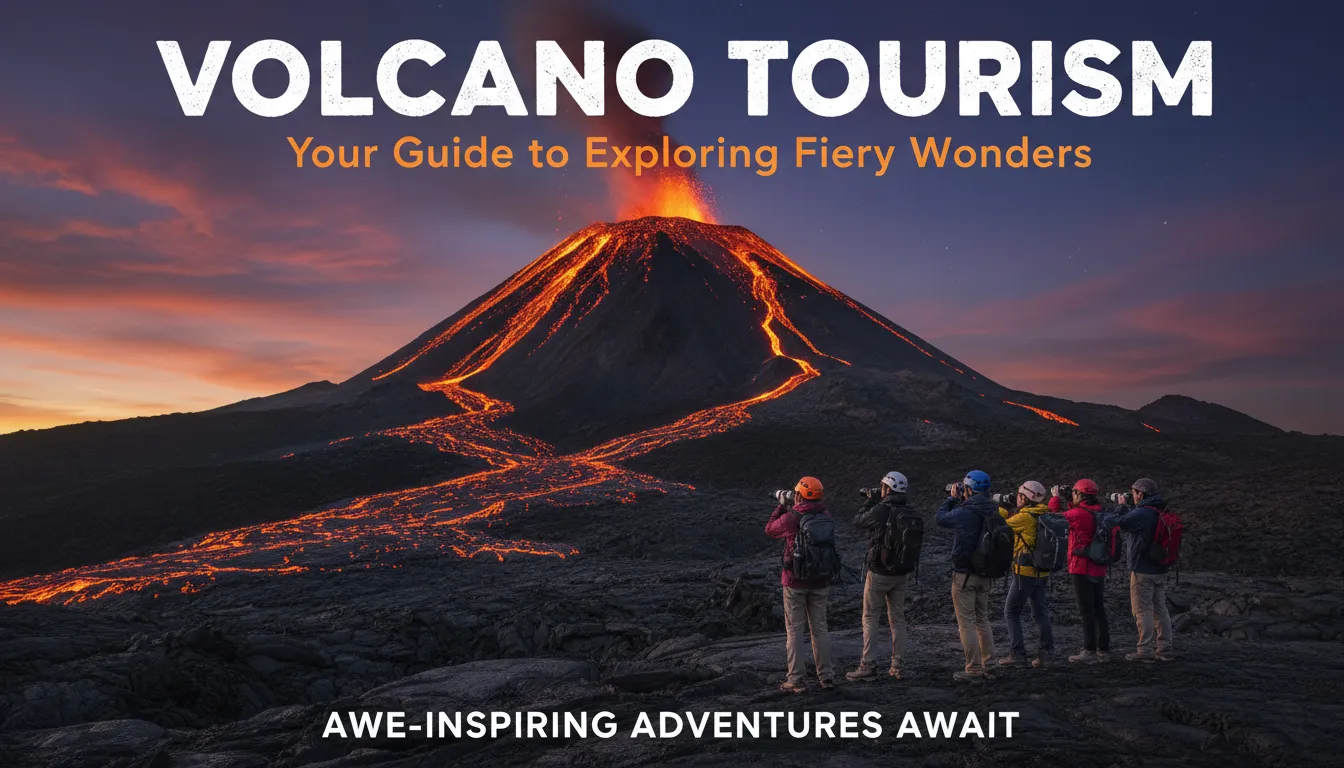
Volcano tourism offers an exhilarating way to explore active and dormant volcanoes globally. This guide covers top destinations, vital safety protocols, essential gear, and the business strategies driving this niche market. Prepare yourself for an awe-inspiring adventure into nature’s fiery heart.
Experience the raw power of the earth with volcano tourism. Discover active craters, stunning landscapes, and thrilling adventures while staying safe on your unforgettable fiery journey.
What is Volcano Tourism?
Volcano tourism involves traveling to regions known for their volcanic activity. This form of adventure travel allows you to witness the Earth’s geological forces firsthand. Whether you are observing a glowing lava lake, hiking up a dormant crater, or exploring hardened lava tubes, volcano tourism provides an unmatched connection to nature.
People have always felt drawn to volcanoes. Ancient cultures revered them as homes to gods, while modern travelers seek them out for photography, hiking, and the sheer thrill of standing near an active vent. Volcano tourism is not just about the adrenaline rush; it is also about education. When you engage in volcano tourism, you learn about geology, local ecosystems, and the history of the planet.
Top Destinations for Volcano Tourism
If you want to experience the best of volcano tourism, you need to know where to go. The world offers numerous hotspots that cater to both amateur hikers and experienced mountaineers.
The Hawaiian Islands
Hawaii is a premier destination for volcano tourism. The islands themselves were born from underwater volcanic eruptions. The most famous location is the national park dedicated to these geological wonders. Here, you can hike across vast lava fields and see steam vents rising from the earth. Volcano tourism in Hawaii is highly organized, making it accessible for families and solo travelers alike.
Iceland’s Fiery Peaks
Iceland is known as the land of fire and ice, making it a perfect spot for volcano tourism. The country sits on a tectonic ridge, resulting in frequent volcanic activity. You can explore massive craters, bathe in geothermal hot springs, and even descend into dormant magma chambers. Volcano tourism in Iceland often peaks when a new fissure opens, drawing travelers eager to see fresh lava flows illuminating the dark skies.
Italy’s Ancient Craters
Italy holds a special place in the history of volcano tourism. The ruins of Pompeii offer a sobering look at the destructive power of these mountains. Today, you can hike up active peaks to look down into smoking craters. Southern Italy offers a mix of Mediterranean charm and thrilling volcano tourism, allowing you to pair your adventure with incredible local cuisine and historical exploration.
Indonesia’s Ring of Fire
For the ultimate volcano tourism experience, Indonesia is unmatched. The country boasts more active volcanoes than any other nation. From stunning blue fire craters to massive caldera lakes, the variety is staggering. Volcano tourism in Indonesia often requires more physical stamina, as many treks involve steep climbs through dense jungles before reaching the summit.
Preparing for Your Volcano Tourism Adventure
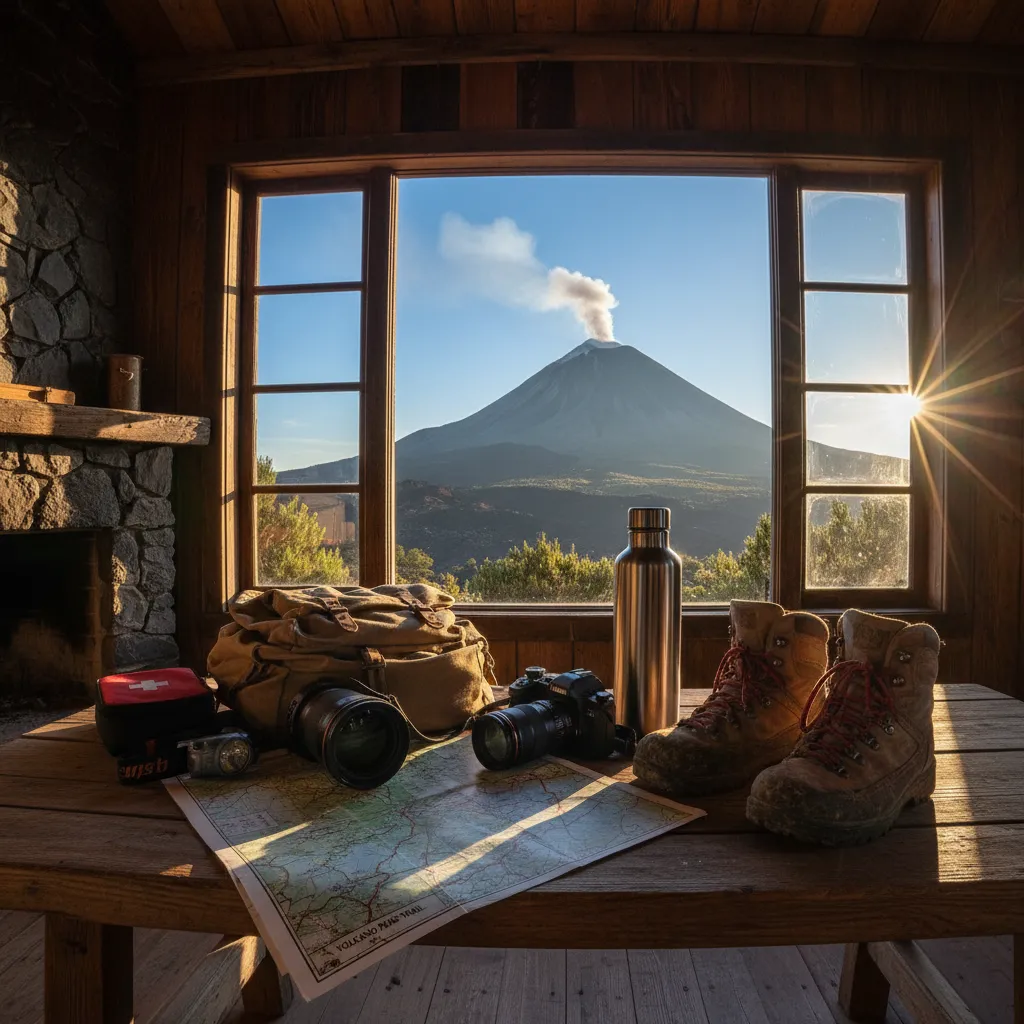
Proper preparation is the cornerstone of safe and enjoyable volcano tourism. You cannot simply walk up to an active volcano without planning.
Safety First in Volcano Tourism
Safety is the most critical aspect of volcano tourism. Volcanic environments are unpredictable and hazardous. You must always listen to local authorities and expert guides.
- Check local advisories: Before your trip, verify the current activity levels of the volcano.
- Hire an expert guide: A knowledgeable guide understands the terrain and can spot warning signs of danger.
- Stay on marked trails: Wandering off the path can lead you to fragile crusts or toxic gas vents.
- Understand gas hazards: Volcanic gases like sulfur dioxide can cause severe respiratory distress.
Essential Gear for Volcano Tourism
Having the right gear enhances your volcano tourism experience and keeps you safe.
- Sturdy hiking boots: You need footwear with excellent grip to navigate sharp, loose lava rocks.
- Respirator masks: If you are visiting an area with active venting, a mask will protect your lungs from ash and gas.
- Layered clothing: Temperatures can fluctuate wildly, especially at high altitudes.
- Protective eyewear: Goggles shield your eyes from blowing ash and dust.
- Plenty of water: Volcanic landscapes are often dry and exposed to the sun.
The Business and Marketing of Volcano Tourism
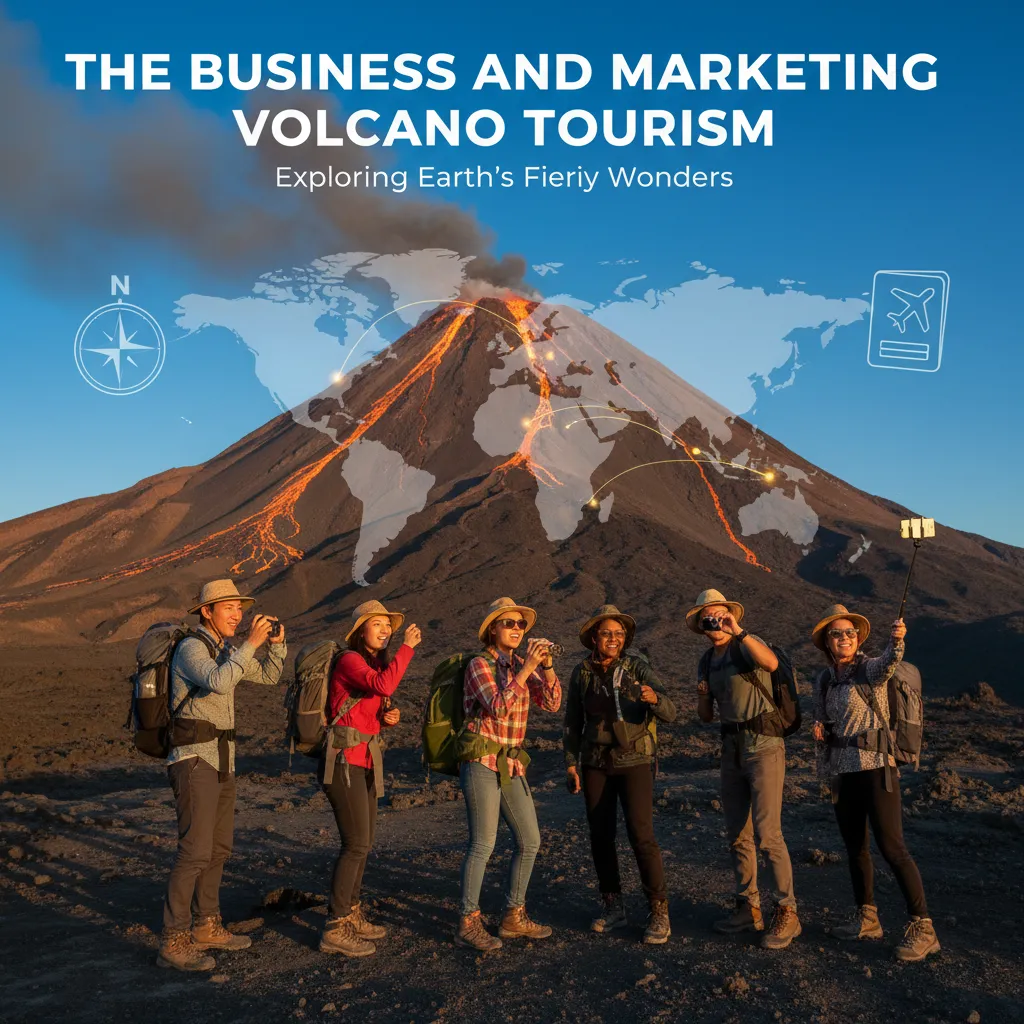
As volcano tourism grows, so does the business ecosystem surrounding it. Travel agencies, local tour operators, and national tourism boards must employ smart marketing to attract visitors. In this digital era, marketing an adventure travel niche requires a deep understanding of consumer behavior.
How Digital Marketing Influences Consumers
Understanding how digital marketing influences consumers is vital for tour operators. Travelers research their trips extensively online. They look for reviews, read blogs, and watch videos before booking a volcano tourism package. Agencies use tools to track this behavior. For instance, platforms like Google Analytics help operators understand website traffic and user engagement. Meanwhile, SEO tools like SEMrush and Ahrefs allow businesses to target specific search terms that potential travelers use.
Influencer Marketing in Volcano Tourism
What companies use influencer marketing? In the travel sector, almost all successful brands do. Influencer marketing helps tour operators showcase the raw beauty of volcano tourism through authentic voices.
When you ask, “What is influencer marketing?” it is simply partnering with individuals who have a dedicated following to promote your tours. But how does influencer marketing work in practice? An adventure blogger might document their hike up a crater, sharing stunning photos and tagging the tour company.
Tour operators often wonder when to use influencer marketing. It is most effective when launching a new tour route or trying to reach a younger, adventure-seeking demographic. The importance and success of influencer marketing stem from its ability to build trust. Influencer marketing works because people trust recommendations from personalities they follow.
If you want to know how to evaluate influencer marketing effectively, you must look at engagement rates rather than just follower counts. What makes a good influencer marketing campaign is authenticity and alignment with the brand’s values. Steps to run a winning influencer campaign include identifying the right creators, setting clear goals, and tracking conversions. If an agency wants to scale this, it might look into how to set up an influencer marketing agency to manage multiple creators.
For niche markets, micro influencers are incredibly valuable. What is micro influencer marketing? It involves partnering with creators who have smaller, highly engaged audiences. Which social media platform is best for influencer marketing depends on the visual nature of the product. For volcano tourism, visual platforms are king.
It is fascinating to see how these strategies cross over into other industries. For example, we see social media transforming healthcare marketing in similar ways, building trust through patient stories. Even in finance, people ask what’s influencing financial markets right now or if influencing the stock market is illegal, showing the broad power of influence. Understanding what influences the forex market or the stock market often comes down to public sentiment, much like travel trends.
Brand Positioning and Strategy
How to create strong brand positioning in your market is a primary concern for volcano tourism operators. Brand positioning in marketing defines how a company is perceived relative to its competitors. The major objective of all brand marketing is to build loyalty and recognition.
To stand out, companies develop a unique brand personality in marketing. A volcano tourism company might position itself as an adrenaline-fueled adventure brand, while another might focus on family branding in marketing, offering safe, educational walks.
Operators also explore co-branding in marketing, perhaps partnering with outdoor gear brands. We even see operators looking at CPG brand marketing strategies to sell branded merchandise like water bottles and hiking apparel. What is branded content marketing? In this context, it is creating mini-documentaries or educational articles about volcanoes that also promote the tour company.
How to use digital marketing to enhance brand awareness is clear when looking at digital marketing success stories from top travel brands. They integrate multiple channels, a concept known as integrated marketing, to reach travelers. They study consumer brand marketing to understand exactly what the traveler desires. Some luxury tour operators even apply luxury brand marketing to offer private helicopter flights over erupting craters.
Sustainable Branding Strategies
Volcano tourism heavily impacts local environments. Because of this, sustainable branding strategies are essential. However, consumers are becoming wary of greenwashing. The truth behind branded sustainability and environmental harm is that some companies claim to be eco-friendly without implementing real changes. Authentic, inclusive brand strategies ensure that local communities benefit from volcano tourism, rather than just the operators. Interestingly, some brands use nostalgia in digital branding, reminding travelers of the ancient, enduring nature of the earth to foster a deeper respect for the environment. You can learn more about general marketing strategies and backlink building on Backlinko or explore geological definitions on Wikipedia.
Volcano Tourism Destination Comparison
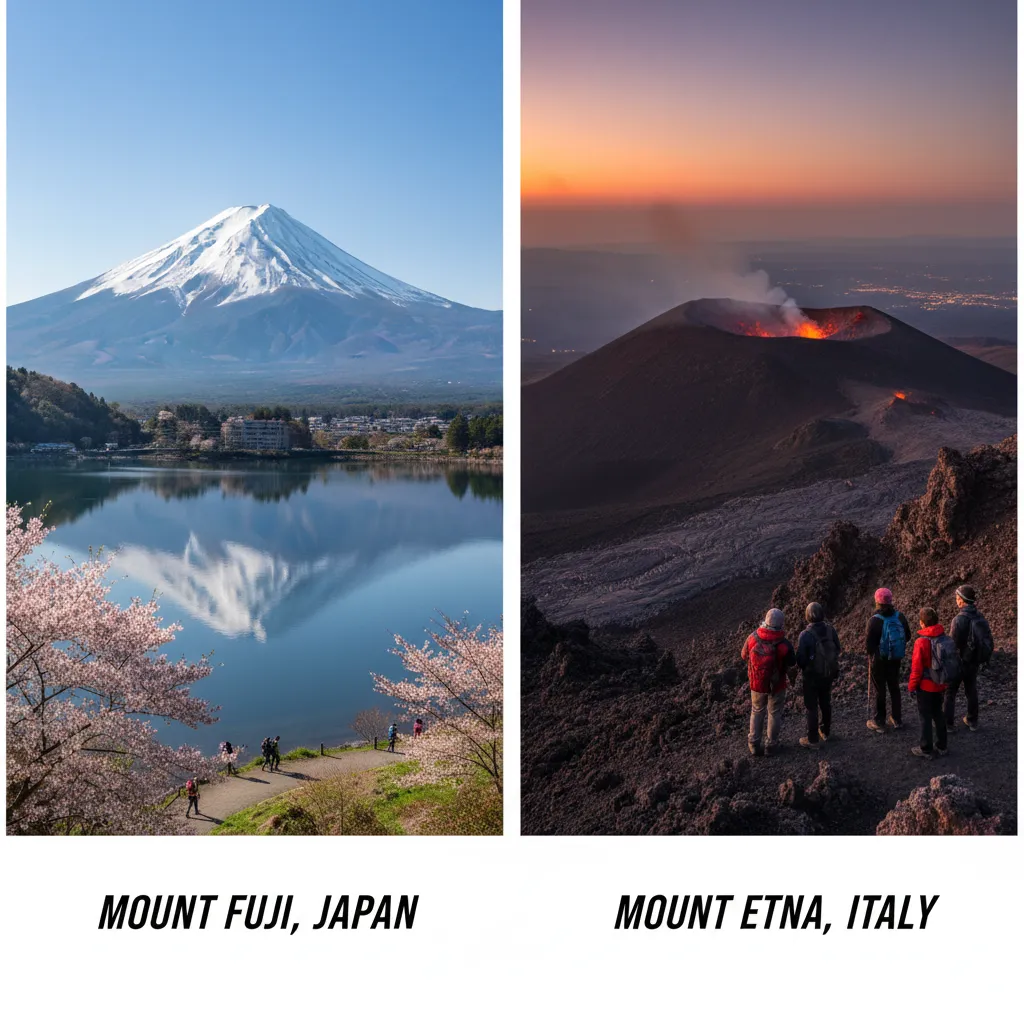
To help you plan your next volcano tourism trip, review this comparison table of popular regions.
|
Destination |
Primary Volcano Type |
Best For |
Typical Physical Demand |
|---|---|---|---|
|
Hawaii |
Shield |
Families, Photography |
Low to Moderate |
|
Iceland |
Fissure / Stratovolcano |
Nature Lovers, Hot Springs |
Moderate |
|
Italy |
Stratovolcano |
History, Culture, Hiking |
Moderate to High |
|
Indonesia |
Stratovolcano |
Extreme Adventure, Treks |
High |
Conclusion
Volcano tourism transforms an ordinary vacation into a profound encounter with the earth’s natural power. By respecting safety guidelines, selecting the right destination, and utilizing expert guides, you can ensure a thrilling and secure journey. Using this type of evocative brand voice in marketing allows travel companies to prepare travelers thoroughly while letting the fiery wonders of the world leave them speechless.
Frequently Asked Questions (FAQs)
1. Is volcano tourism safe?
Volcano tourism can be safe if you follow official guidelines, use experienced local guides, and stay on designated paths. However, active volcanoes inherently carry risks, including toxic gases and sudden eruptions.
2. What is the best time of year for volcano tourism?
The best time depends on the destination. Tropical locations are best visited during their dry seasons to avoid slippery trails, while locations like Iceland are accessible year-round but offer different experiences in summer versus winter.
3. Do I need special fitness levels for volcano tourism?
Physical requirements vary greatly. Some volcano tourism sites offer drive-up viewpoints or flat walking paths, while others require grueling, multi-day treks up steep inclines.
4. Can I see actual flowing lava on a volcano tourism trip?
Yes, but it is not guaranteed. Lava flows depend on current volcanic activity. Destinations like Hawaii and Iceland frequently offer opportunities to see active lava safely.
5. What should I pack for a volcano tourism hike?
Pack sturdy hiking boots, layered clothing, a respirator mask, protective eyewear, plenty of water, a first-aid kit, and a fully charged communication device.
6. Are children allowed on volcano tourism excursions?
Many locations have family-friendly zones with visitor centers and safe viewing platforms. However, strenuous hikes to active crater rims are generally not suitable for young children.
7. How do toxic gases affect volcano tourism?
Volcanoes emit gases like sulfur dioxide, which can irritate the eyes, nose, and throat. People with respiratory conditions like asthma should consult a doctor before participating in volcano tourism.
8. Can volcano tourism benefit the local environment?
Yes, when managed through sustainable branding strategies, volcano tourism provides funding for conservation efforts and supports the local economy, giving communities a financial reason to protect the area.
9. What happens if a volcano erupts while I am visiting?
If an eruption occurs, listen strictly to your guide and local authorities. Tour operators have emergency evacuation plans, and modern monitoring usually predicts major eruptions well in advance.
10. How do I choose a reputable volcano tourism operator?
Look for operators with excellent digital reviews, transparent safety protocols, and a commitment to sustainable practices. Ensure they use certified local guides with extensive geological knowledge.
11. How can I verify a tour operator’s commitment to sustainable branding strategies?
Reputable operators will demonstrate sustainable branding strategies by openly sharing their environmental impact reports, conservation partnerships, and efforts to minimize waste on-site. Look for certifications from global sustainable tourism bodies and check if their brand perception in marketing is backed by genuine testimonials from conservation-focused travelers.
12. Is influencer marketing an effective approach to finding safe volcano destinations?
While it can be helpful, you must know how to evaluate influencer marketing effectively. Many creators focus on the “perfect shot,” sometimes bypassing safety barriers. A good influencer marketing campaign in this niche should prioritize safety gear, mention local permits, and highlight the expertise of their guides, ensuring that brand authenticity isn’t sacrificed for viral content.