Volcano tourism has become a captivating genre of adventure travel that blends geological fascination with cultural immersion and outdoor exploration. In today’s digital landscape, travelers are seeking experiences that connect them to Earth’s dynamic processes while maintaining a deep respect for local communities and ecosystems. This year (2026), volcano tourism continues to gain popularity among adventurers who crave both educational insights and adrenaline-fueled moments. By journeying to volcanic sites, visitors are granted front-row seats to witnessing lava flows, steaming fumaroles, and the sculpting power of geothermal activity. However, beyond the spectacle lies a responsibility: to travel safely, sustainably, and with an understanding of volcanic hazards.
Throughout this article, we will explore the scientific principles behind volcanic formations, highlight standout destinations around the globe, provide practical guidance on planning and safety, underscore eco-friendly approaches, and emphasize ways to honor local heritage. Whether you are an intrepid photographer aiming to capture incandescent lava, a geology enthusiast eager to study new igneous rock formations, or a culturally curious traveler keen to participate in age-old rituals, volcano tourism offers a diverse spectrum of experiences. By combining authoritative resources—such as the U.S. Geological Survey (usgs.gov) and the Smithsonian Institution Global Volcanism Program (volcano.si.edu)—with on-the-ground insights, this guide is designed to prepare you for a transformative journey into the heart of our planet’s most energetic landscapes.
Understanding Volcanic Phenomena and the Appeal of Volcano Tourism
Volcano tourism offers a unique window into the processes that have shaped our planet over millions of years. At the core of every volcanic event lies the movement of molten rock—magma—from Earth’s mantle toward the surface. When magma breaches the crust, it is released as lava, ash, and gases. The pace and style of eruptions differ dramatically depending on magma chemistry, pressure, and tectonic setting. For instance, basaltic magma, low in silica, tends to flow smoothly, creating broad shield volcanoes, while silica-rich magma can lead to explosive eruptions, producing steep stratovolcanoes.
Today, volcano tourism sits at the intersection of science education and experiential adventure. Guided treks enable participants to observe the layering of ancient lava flows, decipher tephra deposits, and even measure gas emissions with handheld sensors. Many operators collaborate with research institutions, offering citizen science opportunities such as ash sampling or infrared thermal imaging. Engaging with experts from universities and government agencies not only enriches the travel experience but also contributes valuable data to ongoing monitoring efforts.
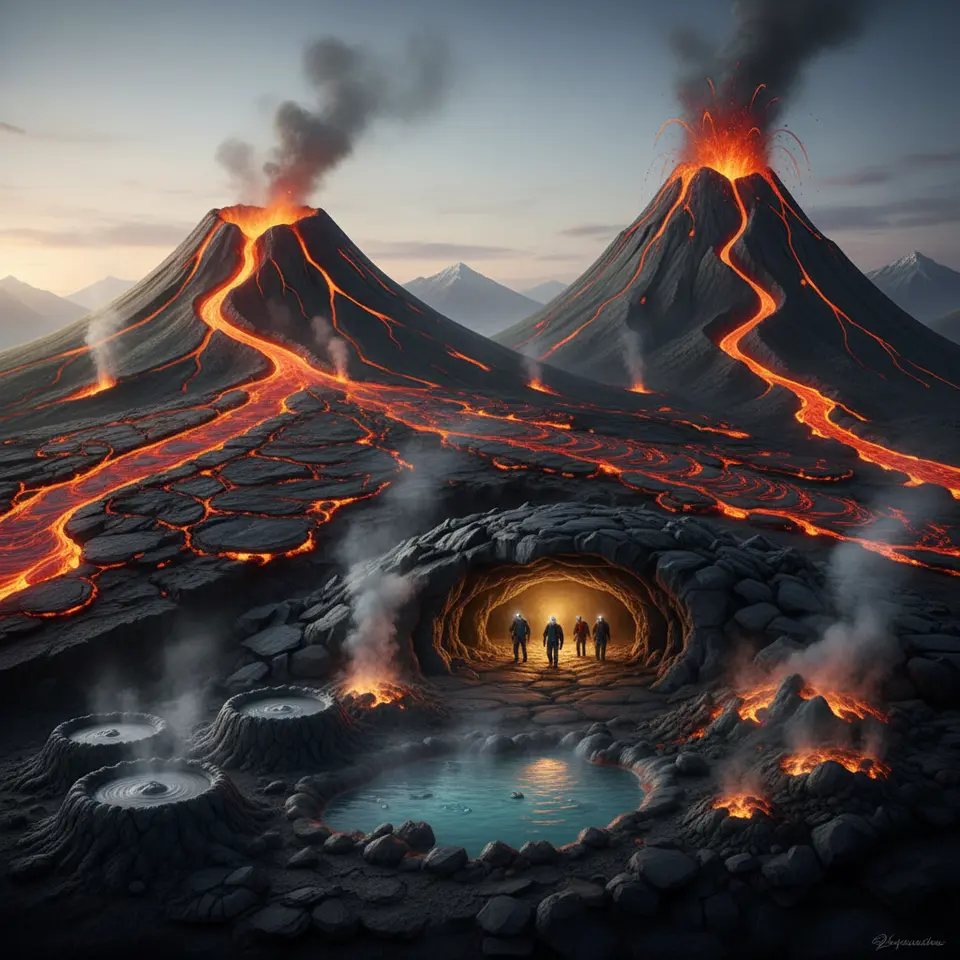
The draw of volcano tourism also stems from the surreal landscapes these sites provide. Lava tubes—cavernous tunnels formed by cooled lava—invite spelunkers to traverse underground corridors illuminated by residual thermal glow. Geothermal fields, dotted with bubbling mud pots and gushing geysers, reveal Earth’s inner heat in vibrant displays of color and steam. Hot springs heated by subterranean activity attract visitors seeking rejuvenation in mineral-rich waters, while observation decks and helicopter flights offer panoramic vistas of calderas and crater rims.
Moreover, volcano tourism appeals to those pursuing personal transformation. Confronting the raw forces of nature—walking amid smoldering vents or witnessing fresh lava flows—can inspire profound reflection on humanity’s place within Earth’s grand timeline. It instills respect for both the fragility and resilience of our environment. For travelers eager to combine adventure with learning, volcano tourism remains an unparalleled pathway to explore the fiery heart of our planet.
Top Volcano Destinations to Experience Today
Volcano tourism has flourished across continents, offering diverse terrain, cultural contexts, and experiences. Here are five destinations that embody the breadth of adventures available this year (2026).
Mount Etna, Italy
Located on Sicily’s eastern flank, Mount Etna stands over 3,300 meters tall as Europe’s most active volcano. Visitors can access the summit region via cable car and off-road vehicles, where guided hikes lead to recent lava flows, steaming vents, and volcanic craters. Etna’s fertile slopes support vineyards producing renowned red wines; a post-hike tasting at a local winery showcases how volcanic soils influence grape characteristics. Time your ascent at dusk to witness sunset hues illuminating ash-covered landscapes.
Mount Bromo, Indonesia
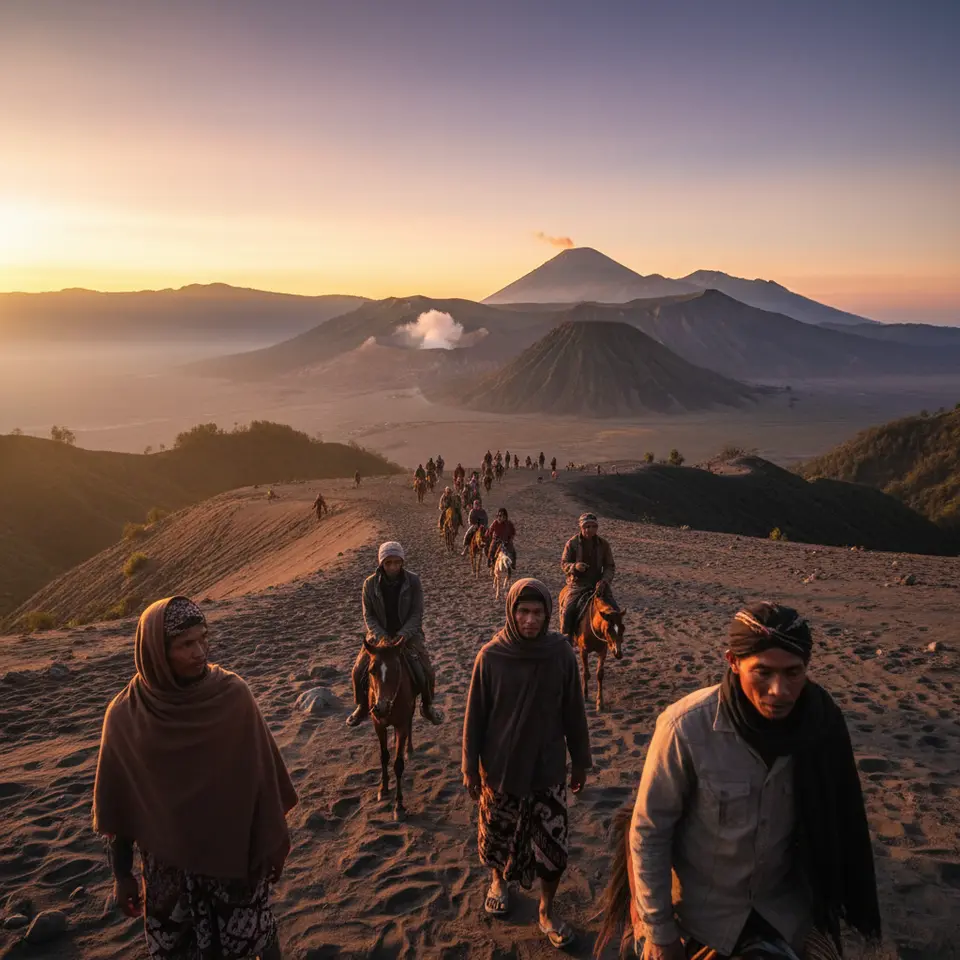
Part of Bromo Tengger Semeru National Park in East Java, Mount Bromo offers a striking contrast of black sand seas and smoking caldera rims. Pilgrims and travelers alike gather at the Sea of Sand before dawn, riding horses or trekking across ash fields to reach the crater’s edge by sunrise. Local Tenggerese communities host homestays that introduce guests to age-old Hindu rituals, providing a cultural narrative to complement the geological spectacle.
Kīlauea, Hawaii, USA
Situated within Hawai‘i Volcanoes National Park, Kīlauea is one of the world’s most monitored active volcanoes. Accessible lava viewing areas, illuminated by glowing fissures after dark, provide safe vantage points for spectacular photographs. Park rangers offer daily interpretive talks, while guided hikes through Thurston Lava Tube reveal subterranean passages carved by ancient eruptions. Coastal sea arches and black-sand beaches formed by hardened lava flows add scenic diversity.
Eyjafjallajökull, Iceland
Famed for its 2026 eruption that disrupted European air traffic, Eyjafjallajökull draws travelers with guided glacier treks that traverse icecap valleys and volcanic ash deposits. Professional guides equip guests with crampons and ice axes, unveiling hidden crevasses and ice caves. Nearby attractions—such as the Seljalandsfoss waterfall—allow for multi-day itineraries that blend volcanic exploration with Iceland’s dramatic waterfalls and geothermal spa experiences.
Volcán de Fuego, Guatemala
Central America’s fiery jewel, Volcán de Fuego, produces nightly incandescent displays visible from nearby ridgelines. Adventurers hike to viewpoints as dusk settles, gazing at glowing lava fountains and occasional pyroclastic flows. Mayan legend entwines with volcanic activity; local guides share ancestral stories and perform purification ceremonies at Panabaj hot springs nourished by subterranean heat. Homestays in neighboring villages immerse visitors in traditional cuisine and artisanal crafts.
Planning and Safety Measures for Volcano Adventures
Volcano tourism demands meticulous preparation to balance exhilaration with personal well-being. Before embarking, research eruption bulletins issued by authoritative sources like the USGS Volcano Hazards Program or your destination’s geological survey. Sign up for real-time alerts via emergency apps and maintain communication channels with local guides and park authorities.
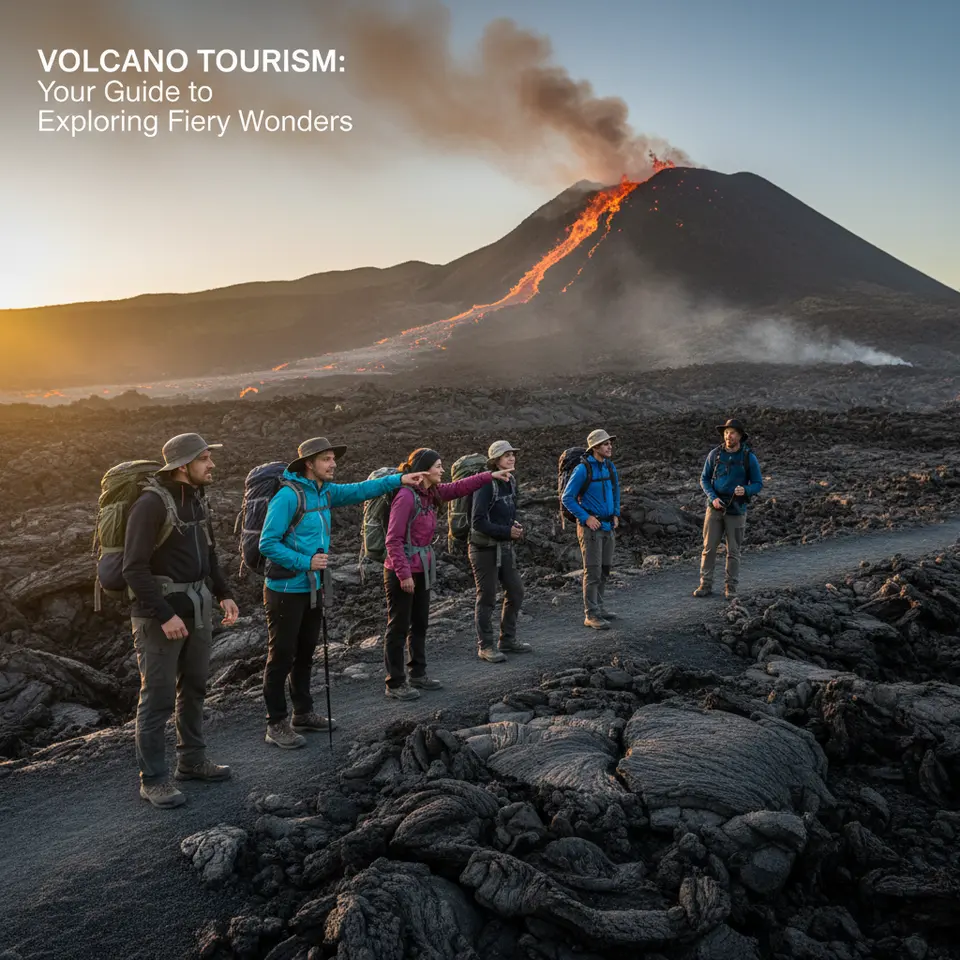
Essential gear includes sturdy hiking boots with ankle support, layered clothing capable of handling temperature swings, helmets, and N95 respirators or volcanic ash masks. A high-lumen headlamp with extra batteries ensures visibility in caves or during nighttime excursions. Hydration systems and energy-dense snacks are indispensable for long treks, while a compact first-aid kit, emergency blanket, and signal whistle address unforeseen incidents. Always pack according to published checklist guidelines and verify that your travel insurance covers adventure sports and potential evacuations.
Engaging a certified guide enhances safety, as professionals understand volcanic hazards, weather patterns, and trail conditions. If opting for independent exploration, secure necessary permits, consult topographic maps, and inform local rangers of your planned itinerary. Maintain a safe distance from unstable edges, respect exclusion zones, and adhere to all posted warnings. In scenarios where gas emissions intensify or seismic tremors increase, follow evacuation protocols promptly—volcano tourism thrives on anticipation but prioritizes caution.
Sustainable and Eco-Friendly Practices in Volcano Tourism
Dark, mineral-rich volcanic soils and unique ecosystems around volcanoes are delicate, making sustainable tourism essential. Seek operators certified by environmental organizations who enforce small-group limits, low-impact camping, and leave-no-trace policies. By choosing eco-lodges powered by renewable energy and utilizing locally produced goods, you contribute directly to community livelihoods and conservation funds.
Responsible travelers should minimize plastic waste, carry reusable water containers, and dispose of non-biodegradable materials appropriately. Supporting local initiatives that monitor volcanic flora and fauna helps protect species adapted to high-temperature habitats. In regions where geothermal energy supplements local power grids—such as Iceland—visitors can learn about these renewable systems and advocate for similar projects in other volcanic areas.
Contribute to citizen science by sharing geotagged photos of lava flows or sulfur deposits on platforms affiliated with research institutions. Your data can assist scientists tracking changes in volcanic activity and environmental recovery post-eruption. Whatever your mode of travel—guided or independent—embedding sustainability at the core of your itinerary ensures that these landscapes remain intact for future adventurers.
Cultural Encounters and Photography Techniques
Volcanoes are not just geological formations; they hold deep cultural significance for indigenous peoples around the world. In Guatemala, Mayan communities perform rituals to honor earth deities before embarking on crater hikes. In Indonesia’s Dieng Plateau, locals hold annual ceremonies atop ancient summit craters, weaving music and dance into volcanic landscapes. Respectful participation in such events fosters cross-cultural understanding and ensures the preservation of intangible heritage.
For photography enthusiasts, capturing volcanic majesty requires both technical skill and safety awareness. During golden hour, warm light accentuates the rugged textures of lava flows, creating compelling contrasts. Long-exposure techniques can immortalize glowing lava fountains and night-time gas plumes; a sturdy tripod is essential. Ash-resistant camera bodies and protective lens hoods shield equipment from volcanic particulates. Wide-angle lenses reveal expansive caldera vistas, while including a human subject provides scale to the scene.
Drone photography can yield breathtaking aerial perspectives, but always verify local regulations and no-fly zones, especially near active volcanoes under surveillance. By mastering these techniques and integrating cultural context into your compositions, you create images that not only dazzle viewers but also tell the story of human resilience in the face of Earth’s fiery forces.
FAQ
What essential gear should I pack for a volcano tour?
Prepare sturdy hiking boots, layered clothing for temperature changes, a helmet, N95 or ash masks, a high-lumen headlamp with extra batteries, hydration system, energy-dense snacks, and a compact first-aid kit. Always follow published gear checklists and verify travel insurance coverage for adventure activities.
How can I stay informed about volcanic hazards?
Monitor eruption alerts from reputable sources like the USGS Volcano Hazards Program or your destination’s geological agency. Sign up for real-time emergency notifications, maintain communication with local guides, and observe posted warnings and exclusion zones.
What are the best sustainable practices during volcano tourism?
Choose certified eco-friendly operators, minimize plastic waste, use reusable water bottles, support local conservation initiatives, and contribute to citizen science by sharing geotagged observations of volcanic features.
Conclusion
Embarking on a volcano tourism adventure offers an unparalleled blend of science, culture, and adrenaline. By studying volcanic processes, you gain an appreciation for Earth’s evolving crust; by engaging sustainably, you protect fragile ecosystems; and by honoring local traditions, you forge meaningful connections. Whether trekking across a moonlike ash field, bathing in a geothermal spring, or witnessing molten lava illuminate the night sky, these experiences ignite curiosity and foster a deeper respect for our planet’s dynamic character.
As you plan your volcanic journey this year (2026), prioritize comprehensive research, secure essential gear, and collaborate with accredited guides or institutions. Embrace eco-friendly practices, contribute to citizen science, and document your expedition through thoughtful photography. In today’s world, volcano tourism represents more than a thrill—it embodies a holistic approach to exploration, education, and conservation. Prepare thoroughly, tread lightly, and let the Earth’s fiery wonders inspire you on an extraordinary voyage of discovery.