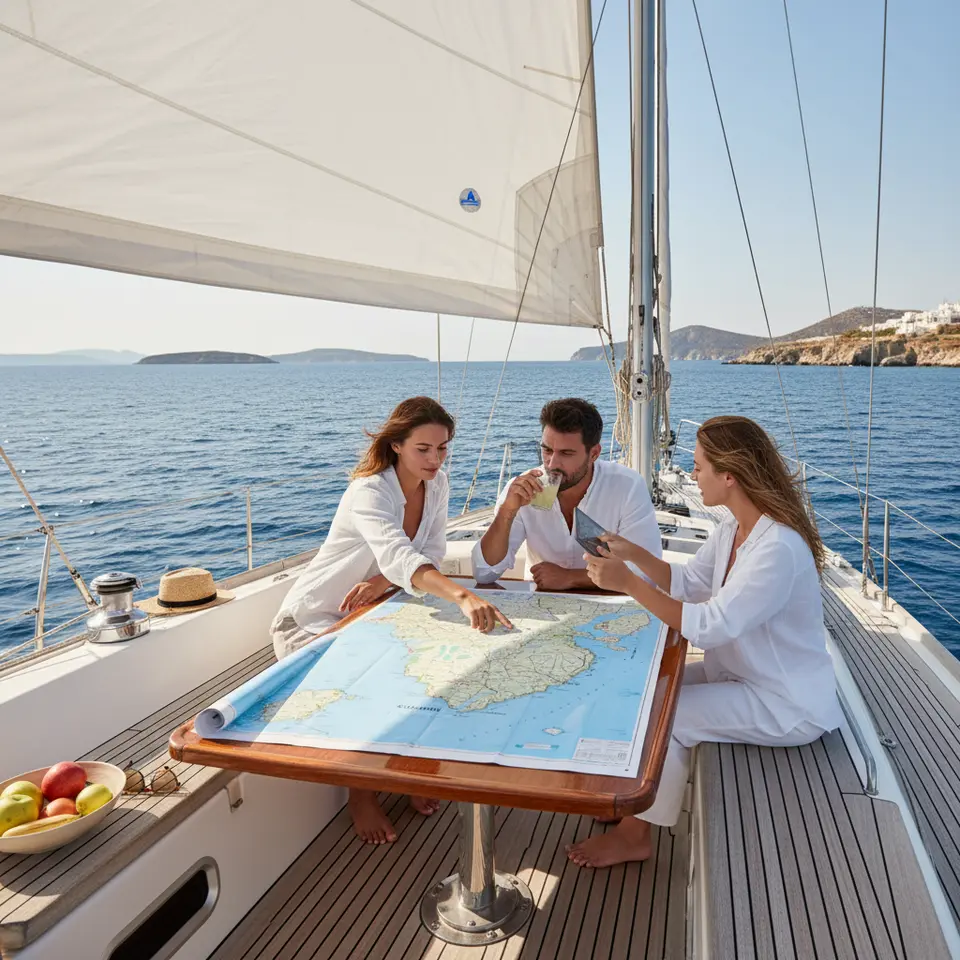
Embarking on a Greek islands yacht charter offers an unparalleled blend of luxury, history, and natural beauty. In today’s digital landscape, savvy travelers seek experiences that combine freedom at sea with authentic cultural immersion. This year (2026), the allure of navigating turquoise waters, discovering hidden coves, and visiting timeless villages has inspired a growing number of explorers to hoist the sails and embrace a maritime odyssey. From the bustling nightlife of Mykonos to the volcanic cliffs of Santorini, each island reveals its own character, offering a fresh perspective on Mediterranean living. Whether you’re a seasoned sailor or a first-time charterer, planning a voyage through the Aegean demands thoughtful preparation—from selecting the ideal vessel and charting a balanced route to packing smartly and respecting local customs. In this comprehensive guide, we’ll dive into the essentials of a successful Greek islands yacht charter, covering weather patterns, yacht types, detailed itinerary planning, onshore highlights, culinary delights, and sustainability practices. We’ll also point you to authoritative resources such as the Hellenic National Meteorological Service and VisitGreece for up-to-date information and regulations. By the end, you’ll have a clear roadmap to maximize your time at sea, savor authentic experiences ashore, and create lifelong memories under the warm Mediterranean sun.
Why the Greek Archipelago Is the Ultimate Sailing Playground
The Greek archipelago, with over 6,000 islands and islets scattered across the Aegean and Ionian Seas, represents one of the world’s most diverse sailing regions. Only around 200 islands are inhabited, ensuring that every stop on your Greek islands yacht charter reveals something new—whether it’s a charming fishing village on Lefkada, a Byzantine monastery on Tinos, or the cosmopolitan charm of Rhodes. The warm Mediterranean climate and reliable summer breezes, known locally as the Meltemi, create ideal conditions for both novice sailors and veteran mariners. These northerly winds blow predominantly between May and September, offering steady propulsion without overwhelming gusts when monitored carefully.
Archaeological treasures abound, from the ruins of Delos to the ancient temples on Aegina, inviting history enthusiasts to step ashore and explore. Meanwhile, secluded bays like those around Koufonisia or Ionian gems such as Paxos deliver tranquil anchorages far from the crowds. With a rich tapestry of culinary traditions—fresh olive oils, locally caught seafood, artisanal cheeses, and legendary wines like Assyrtiko from Santorini—the islands satisfy every palate. Communities are famed for their warm hospitality, with panigyria festivals offering live music, dancing, and genuine connections with islanders. For comprehensive regional guidance, the official VisitGreece portal (https://www.visitgreece.gr/) provides up-to-date recommendations on attractions, regulations, and local events.
Integrating vibrant nightlife, serene retreats, and cultural landmarks, the Greek islands cater to every taste. Whether you envision evenings spent under string lights in seaside tavernas or tranquil mornings watching fishermen untangle their nets, a Greek islands yacht charter unlocks both worlds. The sheer variety of experiences ensures each day at sea blends the thrill of navigation with the joy of discovery, making this region a timeless sailing destination.
Optimal Timing and Weather Considerations for Your Voyage
![[object Object]](https://journeyoverlands.com/wp-content/uploads/2026/05/greek-islands-yacht-adventure-sailing-itinerary-image-1.webp)
Timing is crucial for a smooth and enjoyable Greek islands yacht charter. The high season extends from mid-May to late September, when daylight hours are long and the Meltemi winds provide reliable sailing conditions. During July and August, wind speeds can reach up to 25 knots, offering exhilarating passages between islands, though occasional gusts require attentive seamanship. If you prefer milder breezes and fewer crowds, June and September strike an excellent balance—winds generally hover around 15–20 knots, and charter rates may be slightly more favorable.
Early May and late October fall just outside the traditional season, presenting quieter anchorages and lower prices. However, some charter fleets reduce services during these shoulder months, and certain marinas may close for maintenance. Always consult authoritative meteorological updates, such as those provided by the National Observatory of Athens (https://www.noa.gr/?lang=en), to track wind patterns, sea state, and any advisories. Real-time apps like Windy can also enhance your planning by offering interactive maps and hourly forecasts.
When drafting your itinerary, account for shifting wind directions. The Meltemi typically blows from the north to northwest, so plan southbound legs earlier in the day when winds peak. For passages against the wind, consider adjusting your route to hop between islands that align with prevailing conditions, or schedule those segments when winds are forecast to lighten. By balancing sailing hours—aiming for four to six hours daily—you can avoid fatigue, relish each stop, and maintain flexibility for unexpected weather shifts.
In summary, choosing the right window for your Greek islands yacht charter hinges on your comfort with wind strength, your desire to avoid crowds, and the services you require. Armed with current-season forecasts and local insights, you’ll navigate the archipelago with confidence and fully enjoy the freedom of life at sea.
Selecting the Ideal Yacht: Types, Amenities, and Charter Options
Choosing the perfect vessel for your Greek islands yacht charter is a critical step that depends on group size, sailing experience, and desired comfort level. Bareboat charters appeal to qualified skippers who hold valid sailing certifications. This DIY option grants total autonomy and can deliver cost savings, but requires thorough knowledge of navigation, local regulations, and emergency protocols. If you prefer a stress-free voyage, a crewed charter is an excellent alternative. A professional skipper, hostess, and chef will manage navigation, provisioning, and daily operations, allowing you to relax completely.
Another key decision lies between monohull sailboats and multihull catamarans. Traditional monohulls often excel upwind and deliver an authentic sailing sensation as they heel into the wind. However, the single-hull design results in less living space and more motion at anchor. By contrast, catamarans feature dual hulls that offer exceptional stability, a spacious salon, and expansive decks—ideal for socializing and on-board entertaining. The shallow draft of most catamarans also grants access to secluded bays unreachable by deeper monohulls.
When comparing charter quotes, scrutinize inclusions such as fuel allowances, provisioning packages, marina berths, and water sports equipment. Some operators bundle paddleboards, snorkel gear, and wifi, while others bill these extras separately. If you envision sunset cruises, island hopping, and extensive onboard dining, ensure your package covers enough gas for tender transfers and any water toys you plan to enjoy. Always verify insurance coverage, security deposit requirements, and cancellation policies before signing a contract.
Whether you ultimately select a sleek performance yacht or a luxurious catamaran, aligning vessel choice with your group’s preferences sets the stage for a memorable Greek islands yacht charter. A well-fitted boat enhances every aspect of the adventure—from thrilling passages across Aegean swells to serene nights under star-filled skies.
Charting Your Course: Route Planning and Sample 10-Day Itinerary
![[object Object]](https://journeyoverlands.com/wp-content/uploads/2026/05/greek-islands-yacht-adventure-sailing-itinerary-image-2.webp)
Effective route planning strikes a harmonious balance between sailing time and onshore exploration. For a classic 10-day loop in the Cyclades and Saronic Gulf, consider grouping nearby islands to minimize daily passages and maximize relaxation. Below is a sample itinerary geared toward four to six hours of sailing each day, with ample opportunities to swim, dine ashore, and wander local villages.
Days 1–3: Saronic Beginnings
Depart early from Alimos Marina in Athens and sail 20 nautical miles to Aegina. Explore the Temple of Aphaia and savor fresh pistachios at a seaside kafeneio. On day two, a short 15-mile jump takes you to Poros—wander pine-forested hills and sample local olive oil. By day three, anchor off Hydra (12 nm), a car-free island renowned for its art galleries and cobblestone lanes. Spend the evening in a sheltered bay, enjoying a meal prepared on board or in a waterfront taverna.
Days 4–6: Cycladic Highlights
Day four brings you to Mykonos (30 nm). Moor at Ornos or Tourlos and immerse yourself in cosmopolitan dining and nightlife. On the fifth day, glide to Paros (12 nm) to discover the Venetian harbor in Naoussa, iconic windmills, and Kolymbithres Beach. The following morning, a quick 10-mile hop lands you in Naxos, where you can tour ancient marble quarries and the Portara before anchoring at Agios Prokopios for snorkeling and sunset cocktails.
Days 7–10: Volcanic Wonders and Homeward Bound
Set sail to Santorini (35 nm) on day seven, arriving midday to anchor in the caldera. Hike from Fira to Oia, then dine on local Assyrtiko wine and seafood in Ammoudi Bay. Dedicate the next day to exploring Akrotiri’s archaeological site and black-sand beaches. On day nine, begin your return via Kea (40 nm), renowned for pristine waters and family-run tavernas. Finally, on day ten, cruise the last 25 nautical miles back to Alimos Marina, hand over the yacht, and celebrate a seamless adventure.
This route offers a taste of iconic islands and hidden gems, but your Greek islands yacht charter can be tailored to suit wind conditions, group interests, and available time. Always reserve popular marina berths in advance, especially during peak season.
Onshore Delights and Onboard Essentials for a Seamless Cruise
Beyond navigation, a Greek islands yacht charter shines through culinary discoveries, cultural encounters, and well-prepared packing. Greek cuisine celebrates seasonal ingredients—don’t miss grilled octopus drizzled with olive oil and lemon, keftedes served with tzatziki, and saganaki at sunset. Pair meals with regional wines like Assyrtiko from Santorini or fruity reds from Naxos. Seek out family-owned tavernas and authentic panigyria festivals for dancing under the stars.
Onboard, plan activities such as swimming, snorkeling in hidden bays, paddleboarding at dawn, and stargazing on deck at night. Pack a waterproof bag, dry sacks for electronics, reef-safe sunscreen, and UV-protection swimwear. Include light layers and a foul-weather jacket for cooler evenings. Non-marking deck shoes and a basic medical kit with seasickness remedies are indispensable. Bring power banks, universal adapters, and a compact guidebook or offline maps app to navigate secluded anchorages.
Budget wisely for charter fees, fuel, provisioning, marina dues, and optional extras. For example, a mid-range catamaran for eight guests might cost $4,000 per week, with $600 total for fuel, $40 per night for marinas, and $40 per person per day for food. Always review life jackets, fire extinguishers, and emergency signals before departure, and file a float plan with a trusted contact. Monitoring marine forecasts via VHF radio and apps like Windy ensures safety and peace of mind.
By blending onshore exploration with thoughtful onboard preparation, you’ll unlock the full potential of your Greek islands yacht charter—relaxing at secluded coves, indulging in local flavors, and forging connections with the timeless spirit of the Aegean.
Frequently Asked Questions
What is the best month to charter a yacht in the Greek islands?
June and September offer ideal conditions with moderate Meltemi winds, fewer crowds, and slightly lower rates compared to peak summer months of July and August.
Do I need a sailing license to charter a bareboat yacht?
Yes. Bareboat charters require a valid sailing certificate recognized by Greek authorities. Alternatively, opt for a crewed charter if you prefer not to skipper yourself.
How can I minimize my environmental impact while sailing?
Use reef-safe sunscreen, avoid single-use plastics, respect marine protected areas, and dispose of waste responsibly at designated recycling points onshore.
Are marina berths available on short notice?
During peak season, popular marinas often fill quickly. It’s best to reserve berths in advance, especially on islands like Mykonos, Santorini, and Paros.
Conclusion
A Greek islands yacht charter this year (2026) invites you to experience an extraordinary fusion of maritime freedom, cultural richness, and breathtaking landscapes. Through careful planning—choosing the optimal season, selecting the right vessel, charting a balanced route, and packing smartly—you can navigate effortlessly from historic Saronic shores to the vibrant Cyclades and dramatic caldera of Santorini. Onboard experiences like snorkeling in crystal-clear bays, stargazing under an endless sky, and feasting on fresh Mediterranean cuisine add layers of delight to each day. By embracing responsible sailing practices—supporting local businesses, minimizing environmental impact, and respecting island regulations—you ensure that the magic of the Aegean endures for future generations. Ready to hoist the mainsail and explore the timeless allure of Greece’s archipelago? With this guide in hand, you’re well-equipped to embark on a seamless, unforgettable voyage that resonates long after you’ve returned to port.