Are you ready to leave the pavement behind? A comprehensive Overland Travel Checklist is the secret to a safe, comfortable, and unforgettable off-grid adventure.
This guide breaks down exactly what you need to pack for your next expedition. You will discover essential recovery gear, navigation tools, camp comfort upgrades, and survival equipment to ensure you stay self-reliant and secure no matter where the trail takes you.
Why You Need a Reliable Overland Travel Checklist
Heading into the wilderness requires more than just a full tank of gas and a sleeping bag. Overlanding is about self-reliance, meaning you must be prepared to handle vehicle breakdowns, medical emergencies, and sudden weather changes without relying on outside help. Having a structured Overland Travel Checklist ensures you never leave crucial items behind. When you organize your gear effectively, you reduce stress, maximize your storage space, and allow yourself to focus entirely on the experience of the journey. Whether you are outfitting a rugged truck or a versatile van, proper preparation is the foundation of every successful trip. Check out our guide on overland vehicle builds to see how professionals organize their setups.
Essential Vehicle and Recovery Gear
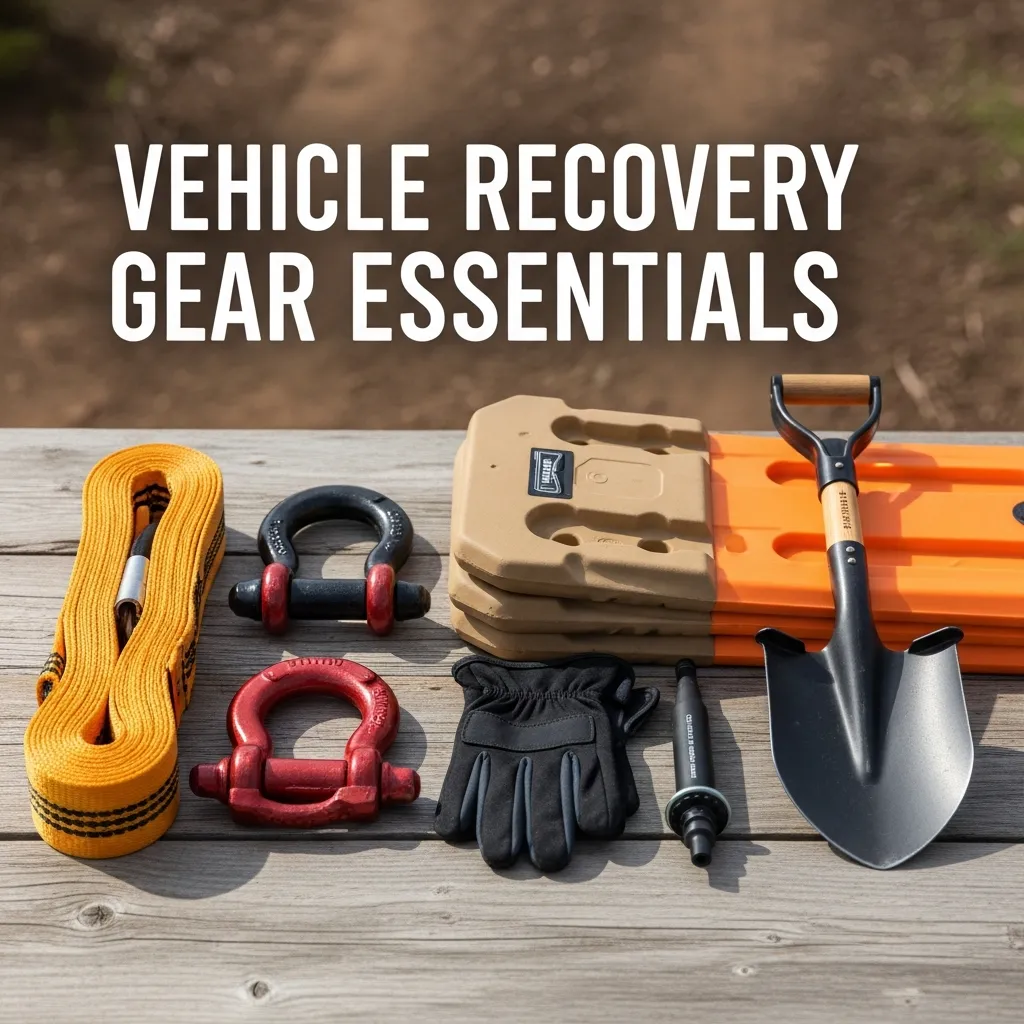
Your vehicle is your lifeline when you venture off the beaten path. If you get stuck in mud, sand, or snow, having the right recovery equipment means the difference between a minor delay and a trip-ending disaster.
Traction and Winching Tools
Traction boards are arguably the most critical recovery items you can carry. When your tires lose their grip, sliding these boards under the wheels can help you drive out of deep ruts. Alongside traction boards, you need a heavy-duty kinetic recovery rope and soft shackles. Unlike traditional tow straps, kinetic ropes stretch and transfer energy smoothly, reducing the risk of damaging your vehicle’s frame. If you frequently travel solo, a motorized winch is highly recommended.
Tire Maintenance Kit
Off-road driving requires you to adjust your tire pressure constantly. Lowering your tire pressure increases your traction on loose surfaces like sand and rocks while providing a much smoother ride. You need a fast and accurate tire deflator to air down before hitting the dirt. Just as importantly, you must carry a high-capacity portable air compressor to reinflate your tires before returning to the highway. Additionally, always pack a heavy-duty tire plug kit to repair punctures on the trail.
Essential Mechanical Tools
You do not need to bring your entire garage, but a curated tool roll is mandatory. Include a metric and standard socket set, combination wrenches, pliers, locking grips, and a multi-tool. Bring spare vehicle fluids, including motor oil, coolant, brake fluid, and power steering fluid. Do not forget electrical tape, heavy-duty zip ties, high-strength duct tape, and spare fuses. A sturdy shovel is also necessary for digging out tires or managing a campfire. Read more about trail repairs in our off-road maintenance guide.
Navigation and Communication Tools
Losing your way in the backcountry is dangerous, especially when cell phone service disappears. Redundancy is the key to safe navigation and communication.
Digital and Analog Navigation
Always start with a reliable GPS device designed specifically for off-road use. Devices from brands like Garmin offer preloaded topographic maps and trail networks. However, electronics can fail, batteries can die, and screens can break. You must carry physical, updated paper maps of the region you are exploring, along with a traditional compass. Knowing how to read a topographic map is a fundamental survival skill.
Emergency Communication Devices
When you travel beyond cell phone range, a satellite messenger or personal locator beacon (PLB) is a non-negotiable safety item. These devices allow you to send text messages to loved ones and trigger an SOS alert to search and rescue teams if a life-threatening emergency occurs. For vehicle-to-vehicle communication within a group, install a GMRS radio system or carry high-quality handheld two-way radios.
The Ultimate Overland Travel Checklist for Camp Comfort
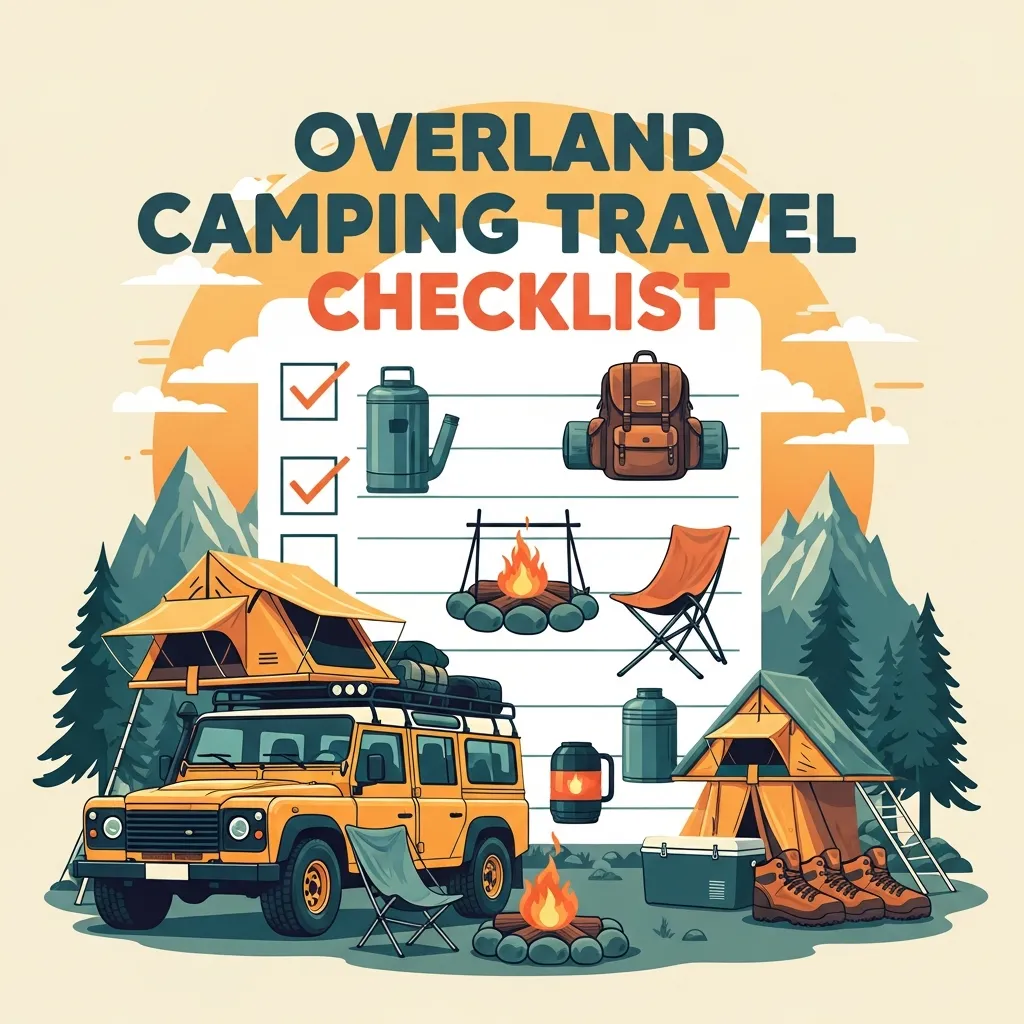
Your campsite is your home in the wild. After a long day of navigating difficult terrain, you need a comfortable, weather-resistant shelter to rest and recover.
Shelter and Sleep Systems
Rooftop tents have become incredibly popular because they keep you elevated away from ground moisture and wildlife, and they set up in minutes. If you prefer a ground tent, choose a four-season model that can withstand high winds and heavy rain. Your sleep system should include an insulated sleeping pad or air mattress to block the cold seeping up from the ground. Use a high-quality sleeping bag rated for temperatures at least ten degrees colder than the lowest temperature you expect to face.
Camp Furniture and Lighting
A sturdy, foldable camp table and comfortable, durable chairs are essential for cooking, eating, and relaxing. To illuminate your campsite, bring a variety of lighting options. Headlamps are perfect for hands-free tasks like cooking or late-night bathroom trips. Magnetic LED work lights can attach to your vehicle’s exterior, while warm-toned string lights or lanterns create a relaxing ambiance without blinding your campmates.
Power Generation and Storage
Keeping your devices, lights, and portable fridge running requires a reliable power management system. Portable lithium power stations have revolutionized off-grid camping, allowing you to charge phones, drones, and cameras seamlessly.
Comparison Table: Power Options for Overlanding
|
Power Source |
Best Use Case |
Pros |
Cons |
|---|---|---|---|
|
Dual Battery System |
Long-term, integrated vehicle power |
Recharges while driving, automated |
Expensive, complex installation |
|
Portable Power Station |
Weekend trips, versatile charging |
Easy to use, portable, multiple ports |
Limited capacity without solar panels |
|
Solar Blankets |
Extended stationary camping |
Free energy, eco-friendly, silent |
Weather-dependent, requires direct sun |
Cooking and Food Storage Setup

Eating well on the trail boosts morale and keeps your energy levels high. A proper overland kitchen setup allows you to cook gourmet meals miles away from civilization.
Refrigeration and Coolers
While a high-end cooler can keep ice for days, a 12-volt portable refrigerator is the ultimate upgrade for serious travelers. A fridge eliminates the need for ice runs, prevents your food from getting soggy, and maximizes your storage space. If you use a cooler, pre-chill it before your trip and freeze your meats and water bottles to extend the cooling duration.
Stoves and Cookware
A reliable two-burner propane or butane stove provides the heat you need to boil water quickly and cook complex meals. Pack a nesting cookware set to save space, along with a cast-iron skillet for campfire cooking. Your utensil kit should include a sharp chef’s knife, a cutting board, a spatula, tongs, and durable plates and bowls. Do not forget a French press or pour-over kit for your morning coffee. For meal ideas, explore our easy camp recipes.
Water Storage and Filtration
Water is your most precious resource. Plan to bring at least one to two gallons of water per person per day for drinking, cooking, and hygiene. Store water in heavy-duty, BPA-free jerry cans or dedicated water tanks. Always carry a backup water filtration system, such as a pump filter or purification tablets, so you can safely harvest water from rivers and streams if your supply runs out.
First Aid and Emergency Preparedness
Accidents happen, and medical help can be hours or even days away. Your medical kit must be comprehensive and easily accessible.
Building a Trauma Kit
A basic drug store first aid kit is not enough. You need a trauma kit that includes tourniquets, hemostatic gauze, pressure dressings, and splints to handle severe injuries. Include standard supplies like adhesive bandages, sterile gauze pads, medical tape, and antiseptic wipes for minor cuts and scrapes. Organizations like the American Red Cross offer wilderness first aid courses that are highly recommended for anyone spending time off-grid.
Medications and Personal Care
Stock your kit with over-the-counter medications such as ibuprofen, antihistamines, anti-diarrheal pills, and antacids. If you or anyone in your group requires prescription medication, bring extra doses in case your trip is unexpectedly delayed. Pack a pair of tweezers for tick and splinter removal, along with hydrocortisone cream for bug bites and poison ivy.
Clothing and Personal Care Essentials
Weather in the backcountry is notoriously unpredictable. Packing the right clothing and hygiene products keeps you comfortable and safe from the elements.
The Layering System
Avoid cotton, as it traps moisture and takes forever to dry. Instead, pack moisture-wicking base layers made from merino wool or synthetic fabrics. Bring an insulating mid-layer, like a fleece or down jacket, to trap body heat during cold nights. Finally, pack a waterproof and windproof outer shell to protect yourself from rain and harsh winds. Include a warm beanie, gloves, and sturdy, broken-in hiking boots.
Hygiene on the Trail
Staying clean off-grid is easier than you think. Biodegradable body wipes are fantastic for taking a quick “camp shower” when water is scarce. Pack a quick-drying microfiber towel, a travel toothbrush, and toothpaste. Always use biodegradable soap for washing dishes and your body, and ensure you dispose of soapy water at least 200 feet away from natural water sources to protect the environment. Organizations like Tread Lightly provide excellent guidelines on minimizing your environmental impact. Check out our Leave No Trace guide for more tips.
Common Mistakes to Avoid While Overlanding
Even experienced travelers can make errors that compromise their safety or comfort. Avoid these common pitfalls:
- Overpacking: Bringing too much gear adds unnecessary weight, reduces your vehicle’s fuel efficiency, and makes it impossible to find what you need quickly. Stick strictly to your Overland Travel Checklist.
- Failing to Test Gear: Never bring brand new, untested equipment on a long trip. Set up your tent, fire up your stove, and test your electronics in your driveway before leaving.
- Ignoring the Weather Forecast: Mountain environments and deserts can experience sudden, drastic weather shifts. Always check the forecast and pack emergency layers.
- Traveling Without a Backup Plan: If a trail is washed out or blocked, you need an alternate route. Always have a Plan B and Plan C mapped out.
- Poor Weight Distribution: Storing heavy items on your roof rack raises your vehicle’s center of gravity, increasing the risk of a rollover. Keep heavy gear low and centered inside the vehicle.
Pro Tips for a Successful Off-Grid Adventure
Take your trip to the next level with these expert insights:
- Organize with Clear Bins: Use transparent, heavy-duty storage bins for your gear. Labeling them makes it incredibly easy to find cooking supplies, tools, or recovery gear without rummaging through bags.
- Download Offline Maps: Cell service is unreliable. Use apps to download regional maps to your phone or tablet while you still have Wi-Fi.
- Keep a Ready Bag: Keep a small backpack in the passenger cabin with your first aid kit, headlamp, rain jacket, and snacks. If you need to exit the vehicle quickly, you will have your essentials in hand.
- Airtight Food Storage: Store your dry goods in airtight, hard-sided containers to keep them fresh and prevent wildlife from sniffing out your camp.
- Perform Daily Vehicle Checks: Every morning before hitting the trail, spend five minutes checking your vehicle’s fluid levels, tire pressure, and looking for any loose bolts or leaks under the chassis.
Conclusion
Preparation is the ultimate key to unlocking the freedom of the wilderness. By strictly following an Overland Travel Checklist, you guarantee that you have the recovery gear, navigation tools, and camp comforts necessary to handle whatever the trail throws your way. Do not leave your safety to chance. Start packing smartly today, review your gear thoroughly, and hit the open road with total confidence!
Frequently Asked Questions (FAQs)
1. What is the most important item on an Overland Travel Checklist?
While water and first aid are critical for survival, a reliable communication device like a satellite messenger is arguably the most important item. It allows you to call for emergency rescue if you suffer a severe injury or mechanical breakdown miles from civilization.
2. How much water should I bring for overlanding?
A general rule of thumb is to pack at least one to two gallons of water per person, per day. This amount covers drinking, basic cooking, and light hygiene. If you are traveling in a desert or a hot climate, you should increase this amount significantly.
3. Do I need a 4×4 vehicle to go overlanding?
While a 4×4 vehicle with high clearance is ideal for tackling challenging, rocky, or muddy trails, it is not strictly required for all trips. Many people successfully overland in all-wheel-drive SUVs or even sturdy 2WD vehicles by sticking to well-maintained forest service roads.
4. How do I keep my food cold without buying ice every day?
The most effective way to keep food cold is to invest in a 12-volt portable refrigerator powered by a dual-battery system or a portable lithium power station. If you must use a cooler, pre-chill it, use block ice instead of cubed ice, and keep it out of direct sunlight.
5. What type of tent is best for off-grid camping?
Rooftop tents are incredibly popular because they set up fast, keep you off the damp ground, and free up interior vehicle space. However, high-quality ground tents are more affordable, easier to remove, and often perform better in extreme, high-wind conditions.
6. How can I go to the bathroom respectfully in the wilderness?
Always follow Leave No Trace principles. If there are no outhouses, dig a cathole at least 6 to 8 inches deep and at least 200 feet away from any water sources, trails, or campsites. Pack out all of your used toilet paper in a sealed bag.
7. Is a portable power station necessary?
While not absolutely mandatory, a portable power station highly enhances your comfort and safety. It allows you to recharge phones, GPS devices, camera batteries, and run camp lights without draining your vehicle’s primary starting battery.
8. What recovery gear should a beginner start with?
Beginners should prioritize a set of high-quality traction boards, a heavy-duty shovel, a tire deflator, and a portable 12V air compressor. These four items will resolve the vast majority of mild off-road stuck situations.
9. How do I pack my vehicle to prevent rollovers?
Weight distribution is critical for off-road vehicle stability. Keep heavy items like water tanks, tools, and extra fuel as low as possible and centered between the axles. Limit the weight on your roof rack to lightweight items like awnings or sleeping bags.
10. What is the best way to handle trash on the trail?
You must pack out everything you pack in. Use a heavy-duty, odor-blocking trash bag, and consider purchasing an exterior spare-tire trash bag (like a Trasharoo). This keeps the mess and smell outside your vehicle until you reach a proper dumpster.