In today’s digital landscape, exploring global festivals offers more than just sightseeing—it delivers immersive cultural experiences that resonate long after you return home. From winter’s crystalline marvels to autumnal lantern-lit celebrations and festive holiday markets, each month presents a unique opportunity to witness humanity’s most vibrant traditions. This year (2026), travelers are seeking offbeat adventures and authentic encounters that highlight cultural heritage, community spirit, and artistic expression. Whether you’re drawn to the kaleidoscopic chaos of carnival parades or the serene glow of moonlit lanterns, planning your year around major events can transform ordinary vacations into memorable journeys.
In this comprehensive guide, we’ll group twelve must-see celebrations into five in-depth sections. You’ll discover essential tips on timing, budgeting, packing, local customs, and safety. We’ll weave in practical advice—from advance booking strategies to travel insurance considerations—and reference authoritative resources such as the UNESCO Intangible Cultural Heritage list (https://ich.unesco.org/) and official tourism boards for accurate logistics. By the end of this article, you’ll be equipped to curate a seamless calendar for chasing global festivals across the world.
January and February: Winter Wonders and Carnival Revelry
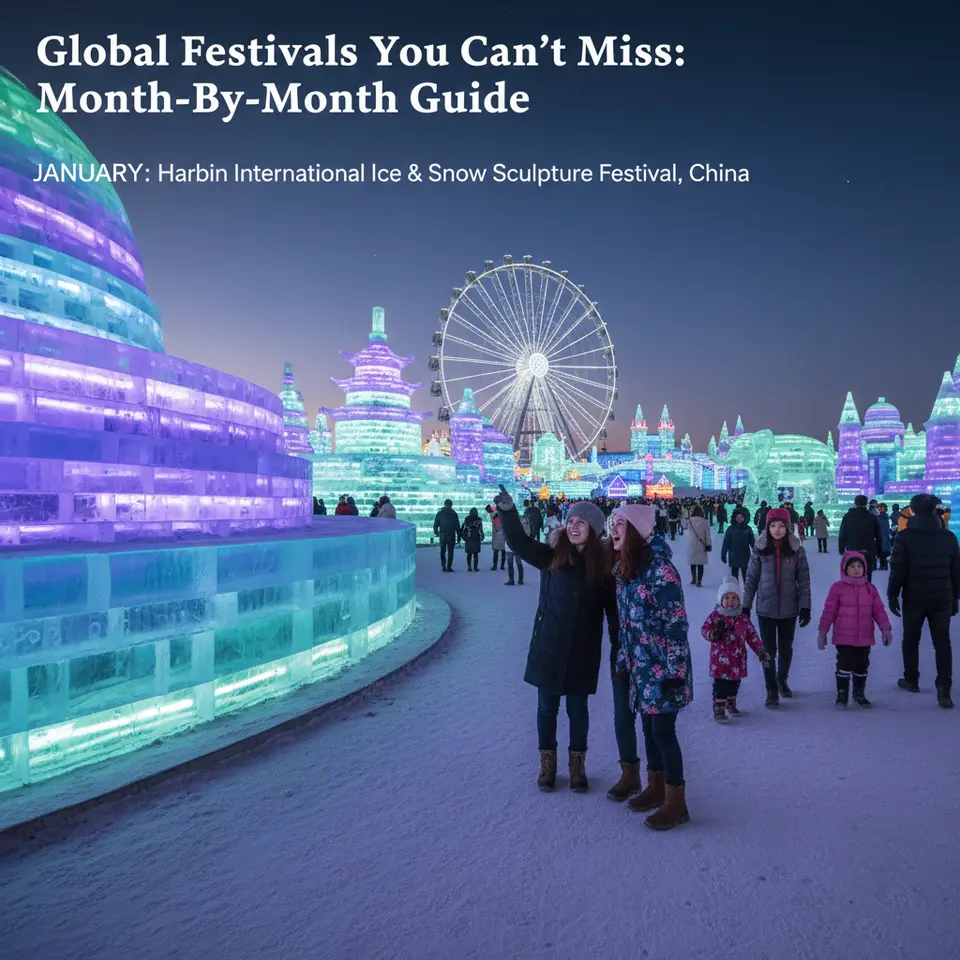
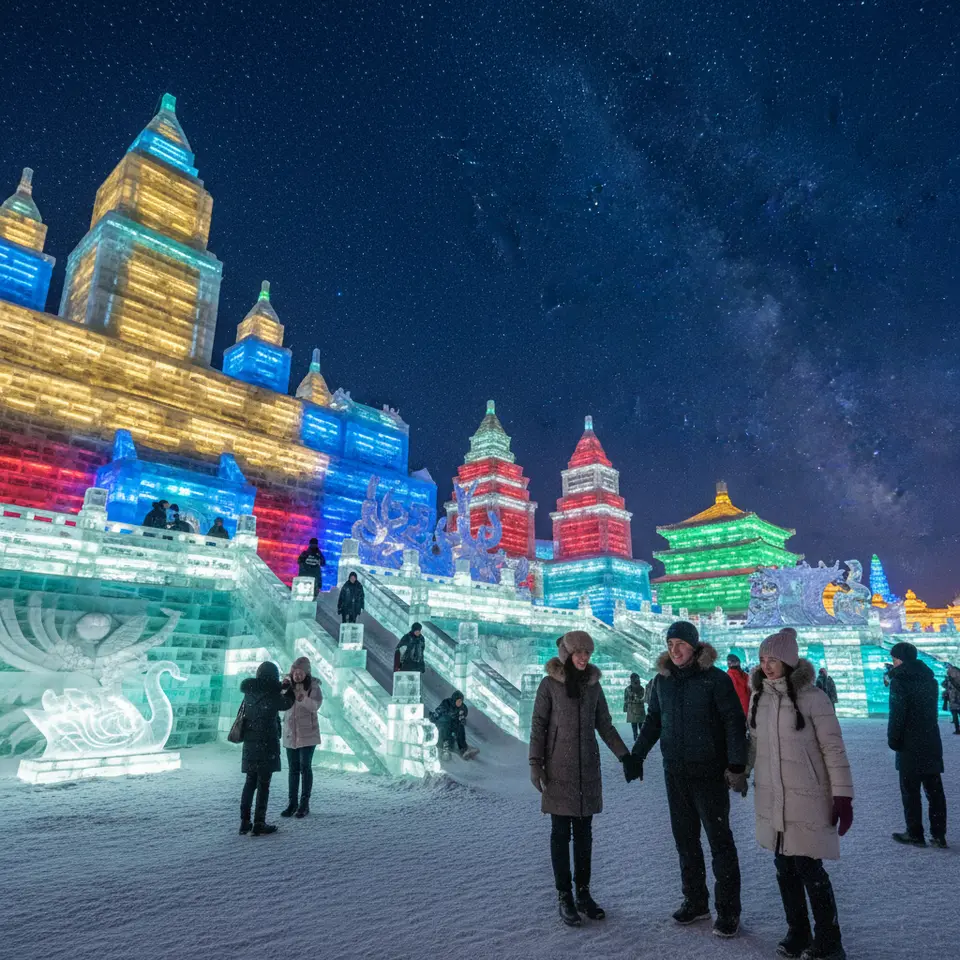
Every January, the city of Harbin transforms into a sprawling winter playground, showcasing monumental ice sculptures carved by skilled artisans. Digital projections light up towering palaces and intricate creations inspired by global landmarks, creating a dreamscape that brings the concept of global festivals to frostbitten life. Visitors don thermal layers, windproof gloves, and insulated boots to wander through ice cathedrals that reach over 20 meters in height. Aside from the night illuminations, daytime activities include ice-slide parks, snow art exhibitions, and cross-country skiing trails along the Songhua River. Book flights and accommodations at least three months ahead via the Heilongjiang Tourism Bureau (https://www.hljtour.gov.cn/) to lock in lower rates and secure guided tour slots.
February’s global festivals spotlight often points to the legendary Rio Carnival. Over five exhilarating days, the city of Rio de Janeiro pulses with samba rhythms, flamboyant costumes, and street bloc parties. Visit the official Rio Carnival website (https://riocarnaval.com/) to purchase Sambadrome seating and access premium sambista experiences. For first-timers, private samba lessons and costume rentals heighten your engagement with local culture. Safety is paramount: stick to certified tour operators after dark and secure valuables in anti-theft pouches. Expect rhythmic parades, dazzling floats, and impromptu dance circles that exemplify the community-driven energy central to global festivals.
March and April: Color, Water, and Springtime Traditions
As spring arrives, Holi—the Festival of Colors—transforms streets into vibrant canvases of powdered pigments. Celebrated across India, major hubs like Mathura, Vrindavan, Delhi, and Mumbai host massive gatherings where participants joyfully smear one another in eco-friendly, skin-safe hues. This celebration symbolizes good triumphing over evil and the renewal of life. For a deeper cultural immersion, book a homestay or guided tour through India’s Ministry of Tourism portal (https://www.incredibleindia.org/) to learn about traditional music, dance, and sweets like gujiya. Dress in old white cotton garments you can discard, protect cameras with waterproof casings, and hydrate regularly under the warming sun.
In mid-April, Thailand’s Songkran ushers in the traditional New Year with exuberant water fights, ritual cleansing, and family reunions. Chiang Mai stands out as the epicenter, hosting grand parades featuring Buddha statue processions, cultural performances, and communal merit-making ceremonies. Locals and tourists alike wield water pistols, buckets, and hoses in symbolic purification rituals. Carry a waterproof bag for electronics, don quick-dry clothing, and purchase a local SIM card to coordinate meetups with fellow travelers. For nuanced insights into etiquette and temple traditions, visit the Tourism Authority of Thailand (https://www.tourismthailand.org/). Songkran perfectly illustrates how global festivals can blend spiritual significance with raucous fun.
May and June: Heritage Celebrations and Dragon Boat Racing
On May 5, the city of Puebla commemorates its historic victory over French forces at the Battle of Puebla, showcasing Mexico’s rich colonial heritage. Unlike the commercialized celebrations often seen abroad, Puebla’s festivities include military parades, battlement reenactments, and traditional folk dances performed against the backdrop of baroque architecture. Culinary enthusiasts flock to sample authentic mole poblano—thick, savory sauces simmered with chilies and chocolate. Reserve a centrally located boutique hotel or bed-and-breakfast well in advance to stay within walking distance of the Zócalo and main parade routes. Consult the official Mexico Tourism Board (https://www.visitmexico.com/) for up-to-date festival schedules and transportation advisories.
Falling on the fifth day of the fifth lunar month, the Dragon Boat Festival honors the ancient poet Qu Yuan. Vibrant boat races adorn rivers in Hong Kong, Guangzhou, and Taiwan, while zongzi—glutinous rice dumplings wrapped in fragrant bamboo leaves—are sold at bustling street markets. The University of Oxford’s research into cultural heritage (https://www.ox.ac.uk/) highlights how dragon boat racing fosters team synchronization and community bonding. Many international cities with Chinese diasporas host local regattas, offering travelers a more accessible introduction. Pre-book your viewing platform along the water’s edge, and sample regional variations of zongzi—savory, sweet, and vegetarian—to appreciate the culinary diversity intrinsic to global festivals.
July and August: Adrenaline and Tomato Fights
Each July, Pamplona’s San Fermín festival draws thrill-seekers to run alongside bulls through narrow medieval streets. Participants must register in advance and adhere to stringent safety rules—no sharp objects, no intoxication, and proper running attire. If you prefer a less risky vantage point, grandstand tickets or private rooftop terraces offer elevated perspectives of the encierro. Post-run activities include chupinazo fireworks, Basque folk dances, and open-air concerts in Plaza del Ayuntamiento. For historical context and cultural etiquette, reference Spain’s Official Tourism Website (https://www.spain.info/).
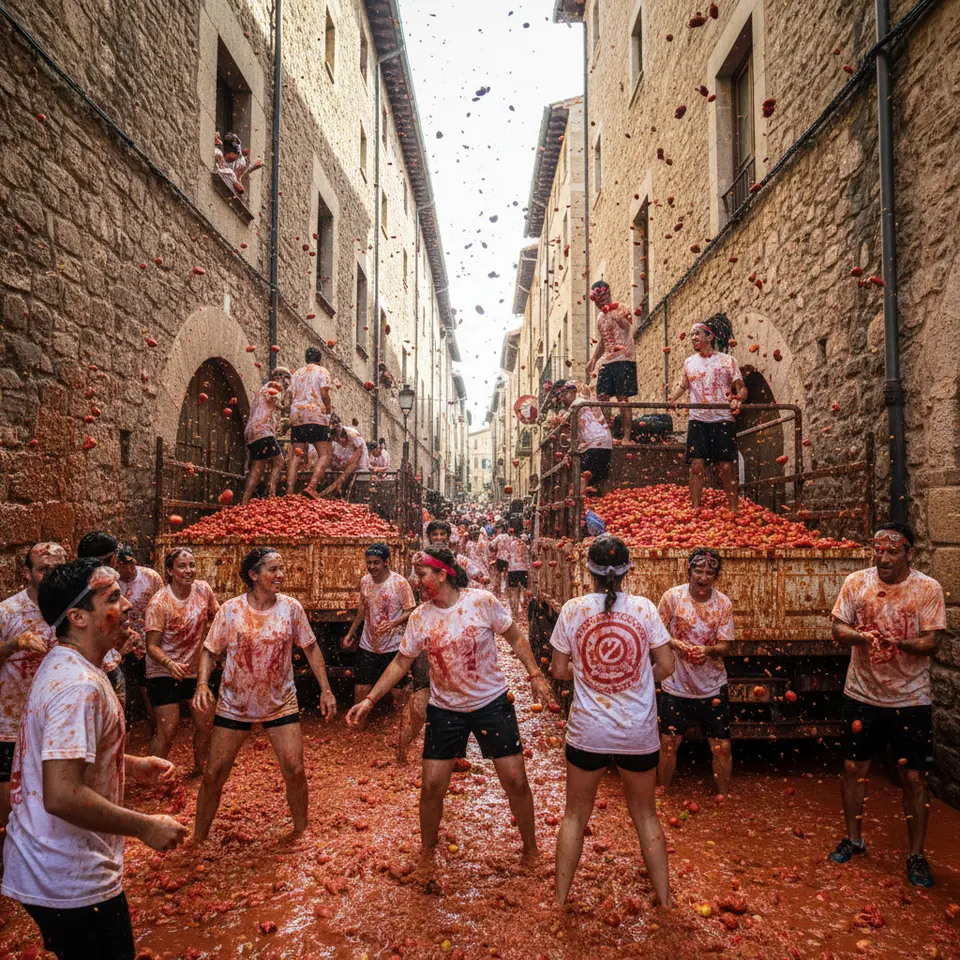
On the last Wednesday of August, the town of Buñol hosts La Tomatina, the world’s largest tomato battle. Overripe tomatoes are crushed and hurled by participants in a spirited hour-long clash. Goggles, gloves, and old clothes are mandatory; organizers request that tomatoes be squashed before tossing to minimize injury. After the melee, municipal fire brigades hose down the streets as celebrants rinse off and join late-afternoon paella feasts accompanied by live music and fireworks. Buñol’s local government website (https://www.buion.es/) provides registration details and health guidelines to ensure safe participation.
September through December: Lanterns, Beer, Lights, and Markets
Mid-September brings the Mid-Autumn Festival, marked by luminous lantern displays, mooncakes, and family reunions. Cities like Hoi An in Vietnam transform into fairy-tale settings with floating lanterns drifting down the Thu Bồn River, while Chinese metropolises showcase elaborate light installations in public parks. Craft workshops teach visitors to assemble traditional paper lanterns adorned with verses from classical poetry. For river cruises and lantern-making classes, consult the Vietnam National Administration of Tourism (https://vietnamtourism.gov.vn/). This peaceful yet visually stunning celebration underscores the emotional resonance that global festivals can offer.
From late September through the first weekend in October, Munich hosts the world’s largest beer festival. Sixteen massive tents serve traditional Märzen-style brews, roast chicken, Bavarian pretzels, and steckerlfisch (grilled fish on a stick). Advance reservations are essential—public tents fill within days of release. Dress in authentic lederhosen or dirndls, and learn the prosit toast to blend seamlessly with locals. For booking guidance, visit the official Oktoberfest site (https://www.oktoberfest.de/).
In November, Diwali—the Festival of Lights—illuminates homes and marketplaces with oil lamps, fireworks, and rangoli designs. Major urban centers like Delhi, Jaipur, and Mumbai host dazzling public displays, while diaspora communities stage cultural programs highlighting classical dance, music, and theater. Exchanging sweets such as ladoo and barfi is integral to celebrations. Join community events coordinated by India’s Ministry of External Affairs (https://www.mea.gov.in/) for authentic experiences that emphasize unity and renewal.
Beginning in late November, European cities roll out festive Christmas markets under canopies of twinkling lights. Vienna’s Rathausplatz brims with handcrafted ornaments, hot punch, and gingerbread, while Strasbourg’s Christkindelsmärik unfolds against a medieval backdrop. Carry an insulated mug for Glühwein, and wear thermal layers to stroll comfortably from one market to the next. For a curated itinerary, reference the EU’s official tourism portal (https://europa.eu/).
FAQ
- When should I book my festival tickets and accommodations?
- For most global festivals, it’s best to book 2–3 months in advance to secure lower rates and availability through official tourism boards or event websites.
- How can I stay safe during large-scale events?
- Stick to certified tour operators, keep valuables secure in anti-theft pouches, and follow local health and safety guidelines provided on official festival or government sites.
- What are essential items to pack for global festivals?
- Pack items like climate-appropriate clothing, quick-dry fabrics, waterproof cases for electronics, anti-theft bags, and any necessary travel documents or visas.
Conclusion
Embracing global festivals throughout the calendar year offers travelers profound cultural insights and unforgettable memories. By organizing your itinerary around these five seasonal sections—winter enchantments, springtime revelry, summer adventures, and autumnal illuminations—you’ll maximize your exposure to diverse traditions and communal celebrations. Prioritize advance bookings via official channels, respect local etiquette, and tailor your packing list to each festival’s climate and activities. With thorough planning and an adventurous spirit, you can make 2026 the year you connect deeply with global festivals and bring home stories that inspire lifelong wanderlust.