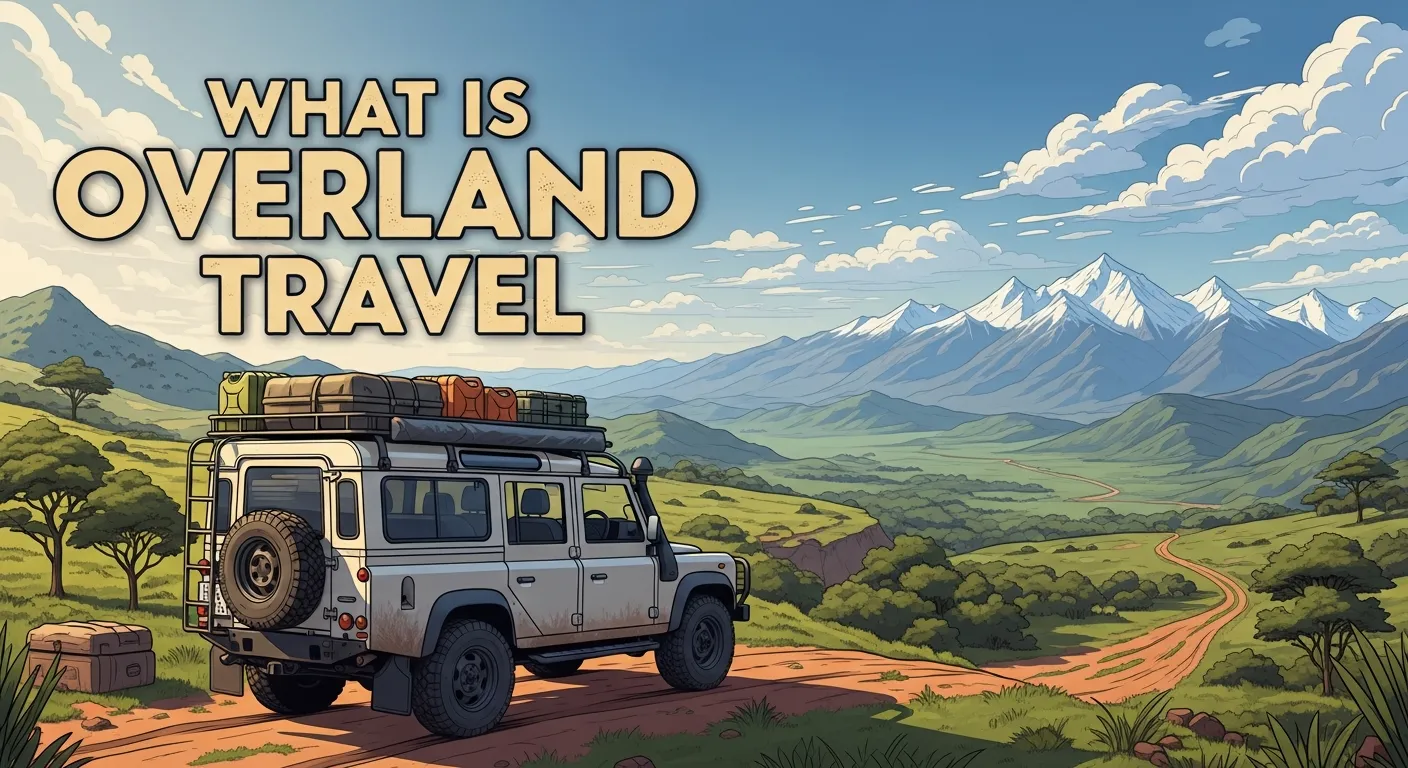
Have you ever looked at a map and wondered what lies far beyond the paved highways and busy cities? If you crave exploration where the journey itself is the actual destination, overland travel might be exactly what you need. This unique approach to vehicle-supported exploration allows you to disconnect from daily routines and immerse yourself in nature. By blending driving with long-term camping, overland travel offers an unmatched sense of freedom, challenge, and discovery.
In this guide, we cover everything you need to know about overlanding. You will learn about its fascinating history, the incredible benefits of vehicle-based exploration, and how it differs from traditional road trips. We also provide a comprehensive breakdown of the gear you need, practical advice for planning your route, and expert tips to keep you safe. Whether you are a complete novice or a curious camper, this resource will equip you with the knowledge to start your first self-reliant adventure.
The Fascinating History of Overland Travel
To truly grasp what overland travel is, we must look back at its origins. The concept did not begin as a recreational hobby. In its earliest days, specifically in Australia, the term referred to moving livestock across vast, untamed distances. Drovers would spend months guiding cattle through harsh environments to reach distant markets or new grazing lands.
By the mid-20th century, the introduction of commercially available four-wheel-drive trucks had completely transformed the landscape. Pioneers began using mechanized off-road capable transport to cross continents. Famous early expeditions, such as the Oxford and Cambridge Far Eastern Expedition, proved that civilian vehicles could handle extreme, undeveloped terrain. These early explorers traveled from London to Singapore, relying entirely on their wits, mechanical skills, and minimal supplies.
Over the decades, the activity evolved. It shifted from pure necessity and extreme exploration into a highly popular form of self-reliant adventure. Today, adventurers from all walks of life modify their vehicles to reach remote destinations that remain untouched by commercial tourism.
How Overlanding Differs from Other Adventures
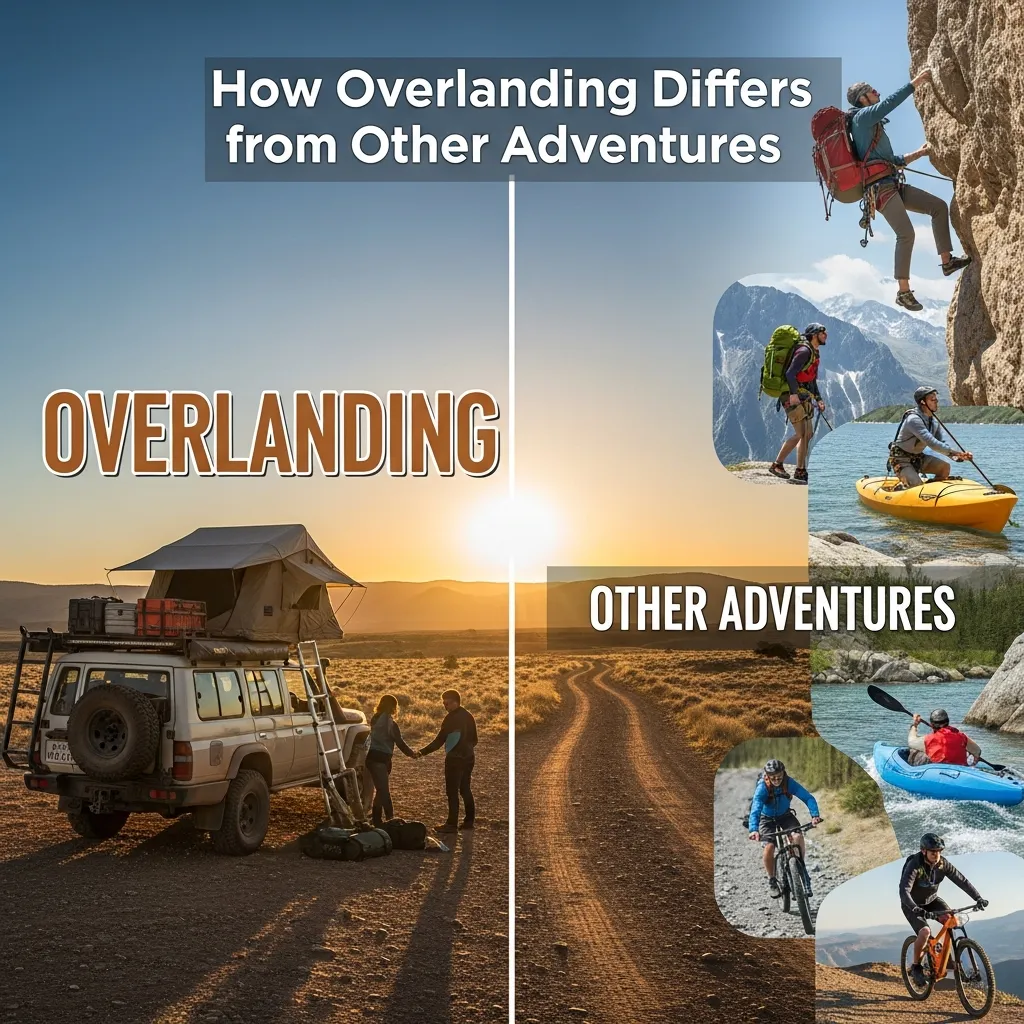
Many people confuse overland travel with off-roading or traditional car camping. While these activities share similarities, they have distinct philosophies and requirements. Understanding these differences helps you set the right expectations and choose the proper equipment.
If you are curious about how these activities stack up, taking a deep dive into Off-roading vs. Overlanding can clarify your goals. Off-roading is essentially a motorsport. The primary goal is to conquer difficult terrain—like rock crawling or mud bogging—often completing the activity in a single day. You test the absolute limits of your vehicle and then head home.
Car camping, on the other hand, usually involves driving a standard vehicle to an established campground. You pitch a tent, enjoy a campfire, and utilize provided amenities like running water and restrooms.
Overland travel combines elements of both but focuses on longevity and independence. You travel over varied terrain for days, weeks, or even months. You carry everything you need to survive, sleep, and eat without relying on external infrastructure.
A Quick Comparison
|
Feature |
Overland Travel |
Off-Roading |
Car Camping |
|---|---|---|---|
|
Primary Goal |
The journey and exploration |
Conquering technical obstacles |
Relaxing at a set destination |
|
Duration |
Days, weeks, or months |
Usually, a single day |
A weekend or a few days |
|
Terrain |
Mixed (highway, dirt, remote trails) |
Highly technical and extreme |
Paved roads or light gravel |
|
Self-Reliance |
Extremely high (bring all supplies) |
Moderate (bring recovery gear) |
Low to moderate |
|
Camping Style |
Primitive, dispersed, moving daily |
Usually none |
Established campsites |
The Incredible Benefits of Overland Travel
Why do people spend thousands of dollars outfitting their vehicles and venture into the middle of nowhere? The rewards of overland travel are profound and life-changing.
First, it builds immense personal resilience. When you are hundreds of miles from the nearest mechanic, you learn to solve problems. You develop mechanical skills, improve your navigation abilities, and learn how to manage essential resources like food and water. This self-reliance translates into an unshakeable confidence that benefits you in everyday life.
Second, overland travel grants you access to breathtaking, secluded environments. Popular national parks often suffer from overcrowding. By traveling overland, you can access hidden alpine lakes, deep desert canyons, and forgotten forest trails. You experience nature in its purest form, free from crowds and noise.
Third, it fosters deep connections. Traveling with friends or family in a confined space over rugged terrain requires teamwork. You cook together, navigate together, and overcome obstacles together. Furthermore, when you cross borders, you interact with local cultures in a highly authentic way. You meet people in small villages and rural communities, gaining a broader perspective on the world.
Choosing the Right Vehicle and Gear
You do not need a massive, six-wheeled expedition truck to start overland travel. Many successful trips happen in standard SUVs, pickup trucks, and even heavy-duty vans. However, selecting the Best Overlanding Vehicles usually involves looking for reliability, payload capacity, and aftermarket support.
Vehicle Considerations
When assessing your vehicle, focus on its structural integrity and weight limits. Overland travel requires carrying a lot of heavy gear. If you overload your vehicle, you risk breaking suspension components or damaging your transmission. Start with high-quality all-terrain tires. Tires are your only connection to the ground, and upgrading them drastically improves your traction and puncture resistance.
Next, consider your suspension. Upgrading your shocks and springs helps manage the extra weight of your gear while providing a smoother ride over corrugated dirt roads. Do not rush into massive lifts; a modest suspension upgrade is usually plenty for most overland travel routes.
Essential Gear for Survival and Comfort
Packing the right Essential Camping Gear dictates how much you will enjoy your trip. Because you are entirely self-reliant, you must cover all your basic needs.
- Shelter and Sleep: Ground tents work fine, but many enthusiasts prefer rooftop tents for quick setup and security from wildlife. Bring insulated sleeping bags and comfortable pads to ensure you get adequate rest.
- Water and Filtration: Water is your most critical resource. Carry rugged water containers and invest in a high-quality filtration system. You must have a reliable way to purify water from rivers or lakes if your primary supply runs out.
- Food Storage and Cooking: Ditch the messy ice coolers and consider a 12-volt portable fridge. It keeps your food fresh indefinitely without it getting soggy. Pair this with a reliable dual-burner propane stove and a durable set of nesting cookware.
- Recovery Equipment: Getting stuck is a normal part of overland travel. Always carry traction boards, a heavy-duty kinetic recovery strap, a sturdy shovel, and a tire repair kit. An onboard air compressor is also vital so you can lower your tire pressure for better traction and air back up before hitting the highway.
- First Aid and Communications: Pack a comprehensive medical kit tailored to trauma and outdoor injuries. Since cell service is rare in remote locations, carry a satellite messenger device. These devices allow you to send SOS signals and text messages from anywhere on the planet.
Planning Your First Route
Proper route planning guarantees a safer and more enjoyable experience. When you embark on overland travel, you cannot simply rely on generic mapping apps. Standard GPS systems often route you onto impassable trails or private property.
Start your planning by researching established overland routes. Organizations and communities often publish detailed maps that highlight fuel stops, water sources, and safe camping areas. Study topographic maps to understand the elevation changes and terrain types you will encounter.
Always map out your fuel range. Calculate your vehicle’s fuel economy when fully loaded, and identify every gas station along your path. If the distance between stations exceeds your safe range, you must securely carry extra fuel in approved containers.
Communicate your plans before you leave. Share your exact itinerary, including expected campsites and your timeline, with a trusted friend or family member. Establish a clear “panic date”—the exact time they should contact emergency services if they have not heard from you.
Common Mistakes to Avoid
Even seasoned travelers make errors, but avoiding these common pitfalls will drastically improve your first overland travel experience.
Overpacking and Overweight Vehicles
The most frequent mistake beginners make is bringing too much stuff. Every extra pound puts stress on your vehicle and reduces your fuel efficiency. Stick to the absolute essentials. You do not need five cast-iron skillets or an elaborate outdoor cinema setup. Keep your setup light and simple.
Ignoring Tire Pressure
Driving on heavily corrugated dirt roads with fully inflated highway tires will rattle your vehicle to pieces and ruin your ride quality. Failing to air down your tires reduces traction and increases the risk of punctures. Always lower your tire pressure when leaving the pavement, and remember to air back up when returning to high speeds.
Rushing the Journey
Overland travel is not a race. If you build an itinerary that requires driving eight hours a day over dirt roads, you will end up exhausted and miserable. Plan for slow travel. Allow yourself time to stop, take photos, hike, and relax at camp. Expect delays, and embrace them as part of the adventure.
Neglecting Vehicle Maintenance
A remote forest trail is the worst place to discover you have a failing alternator or worn brake pads. Always conduct a thorough mechanical inspection before you leave. Check your fluids, inspect your belts and hoses, and tighten your suspension bolts.
Pro Tips for a Successful Overlanding Experience
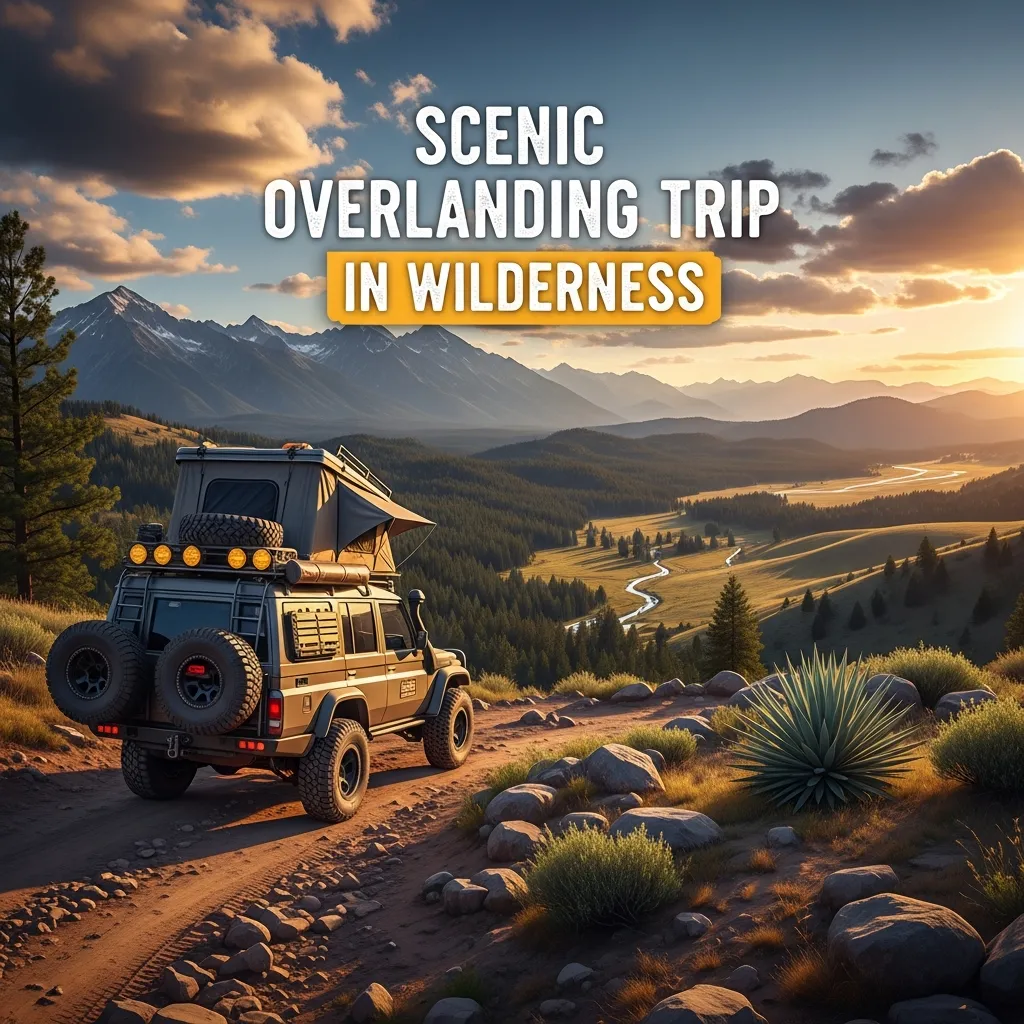
To elevate your overland travel from a stressful test of endurance to an unforgettable adventure, follow these expert insights.
Practice the Principles of Leave No Trace
As overland travel grows in popularity, our wild spaces face increasing pressure. Protect these areas by strictly adhering to Leave No Trace guidelines. Pack out absolutely all of your trash. Stay on designated motorized trails to prevent destroying fragile ecosystems. Bury human waste properly, and use existing fire rings instead of building new ones.
Organize with Systems
When you live out of a vehicle, organization is critical. Use clear, labeled storage boxes for your gear. Group items by category: keep your cooking gear in one box, your recovery gear in another, and your dry food in a third. This prevents the frustrating scenario of tearing your entire vehicle apart to find a flashlight.
Build a Repair Kit specific to your Vehicle
Generic tool kits are helpful, but a custom kit is better. Research the common failure points for your specific vehicle make and model. Carry the exact wrenches, sockets, and spare parts (like fuses, relays, and serpentine belts) that your vehicle actually uses.
Prioritize Comfort in Camp
You spend a significant portion of your overland travel time simply hanging out at camp. Do not skimp on camp comfort. Bring a supportive chair, a good book, and reliable lighting. If you are comfortable when you stop driving, you will have vastly more energy and enthusiasm for the next day.
If you are eager to learn more about the intricacies of off-road vehicle preparation, you can explore resources from the Specialty Equipment Market Association, which offers vast insights into automotive accessories and safety standards. Additionally, the Tread Lightly! The organization provides excellent educational materials on how to recreate responsibly and protect off-road trails. You can also research global expeditions recorded by the Royal Geographical Society to understand the historical significance of early overland routes.
Conclusion
Overland travel is much more than just driving on dirt roads; it is a dedicated lifestyle centered on self-reliance, respect for nature, and the pure joy of the journey. By outfitting your vehicle thoughtfully, planning your routes with care, and embracing the unpredictable nature of remote exploration, you open the door to life-changing experiences. As long as you respect the environment and travel safely, the wilderness is yours to discover. Grab your maps, pack your essential gear, and start planning your first overland travel adventure today!
Frequently Asked Questions
1. What is the true definition of overland travel?
Overland travel is self-reliant, vehicle-supported adventure travel to remote destinations where the journey itself is the primary goal. It involves camping for extended periods and often spans across multiple regions or international borders.
2. Do I need a highly modified 4×4 for overland travel?
No, you do not need a heavily modified vehicle to begin. While high clearance and four-wheel drive help in extreme terrain, many people successfully overland in standard all-wheel-drive SUVs. The key is knowing your vehicle’s limits and choosing appropriate routes.
3. How is overland travel different from traditional off-roading?
Off-roading focuses on tackling technical terrain and obstacles, usually over a single day. Overland travel is focused on the journey and exploration over a prolonged period, requiring you to carry camping gear, food, and water for survival.
4. What is the most important piece of gear for overlanding?
A high-quality set of all-terrain tires is the most critical upgrade. They provide necessary traction, resist punctures from sharp rocks, and carry the heavy weight of your loaded vehicle safely across rough environments.
5. How do I find safe overland travel routes?
You can find safe routes by using specialized backcountry mapping apps, consulting topographic maps, and reading established guidebooks. Engaging with online overlanding communities is also a great way to find verified, safe paths.
6. Is overland travel expensive to start?
It can be as cheap or as expensive as you make it. You can start by simply using the vehicle you already own and basic ground camping gear. Costs only escalate when you start adding expensive vehicle modifications, rooftop tents, and portable refrigerators.
7. How do I handle human waste while traveling remotely?
You must follow Leave No Trace principles. If you do not have a portable camp toilet, dig a cathole at least 6 to 8 inches deep and at least 200 feet away from any water sources, trails, or campsites. Pack out your toilet paper in a sealed bag.
8. What should I do if my vehicle breaks down in the middle of nowhere?
Stay with your vehicle, as it provides shelter and is easier for rescuers to spot. Use your satellite communication device to call for assistance. This is why carrying extra water, food, and warm clothing is essential.
9. How do you manage personal hygiene on a long overland trip?
Many travelers use biodegradable body wipes for quick cleaning. For longer trips, you can purchase portable 12-volt camp showers that draw water from a bucket, or utilize solar shower bags that heat up in the sun during the day.
10. Is overland travel safe for families and children?
Yes, it is extremely safe and rewarding for families if planned correctly. The key is to travel at a slower pace, pack plenty of kid-friendly snacks and activities, and choose routes that are not overly technical or dangerous.