Are you debating between a structured vacation and an open-ended vehicle adventure? Understanding overland travel vs traditional travel helps you choose the perfect journey for your goals.
This comprehensive guide breaks down overland travel vs traditional travel to reveal exactly what each requires. You will discover clear cost comparisons, comfort expectations, and the unique experiences each style offers, empowering you to plan your ultimate trip with absolute confidence.
Defining the Core Differences
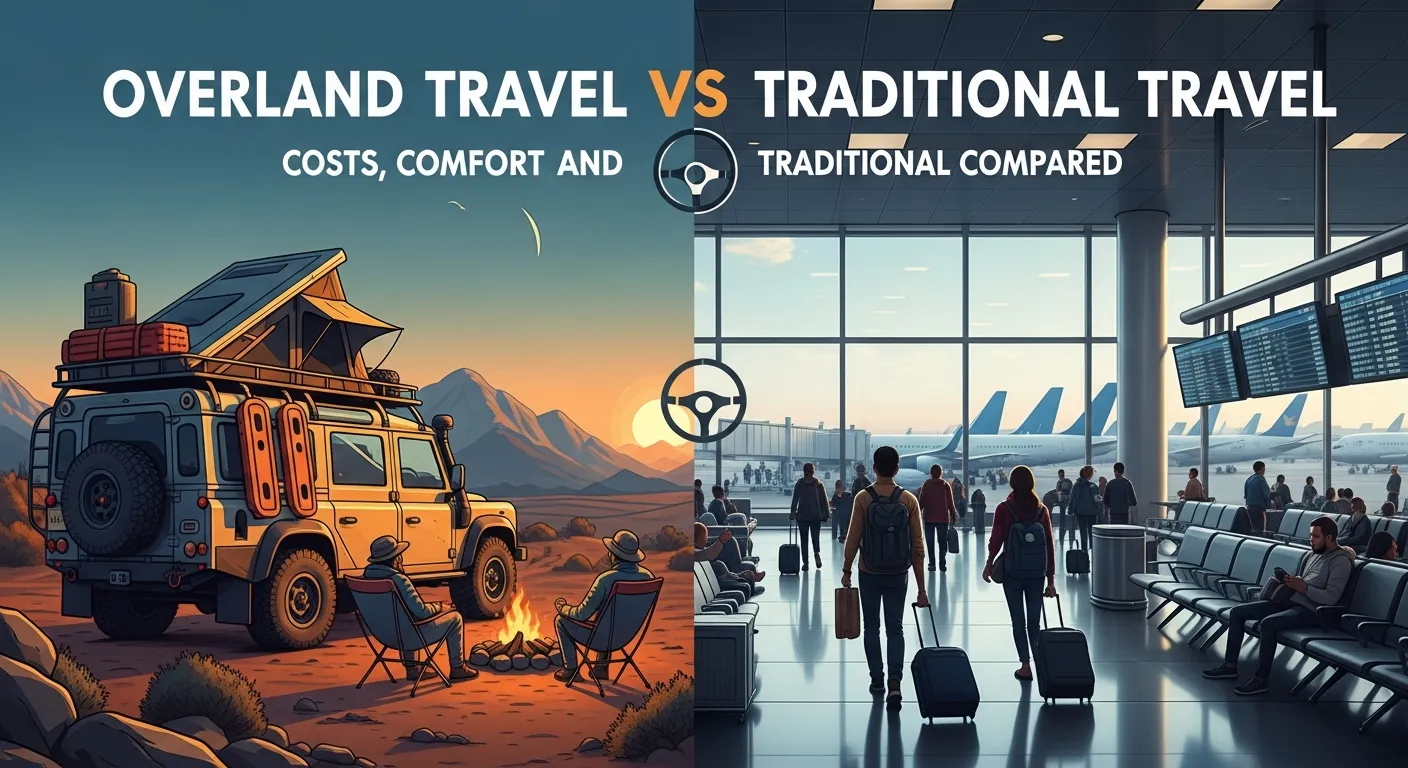
When comparing overland travel vs traditional travel, the primary distinction lies in the journey itself. Overland travel makes the journey the primary focus. You travel in a self-reliant vehicle, often exploring remote backcountry areas and sleeping in a roof-top tent or camper. It requires independence, mechanical readiness, and a thirst for off-road adventure.
Traditional travel usually treats the journey as a means to an end. You book flights, trains, or buses to reach a specific destination. Once there, you stay in hotels, hostels, or resorts. The focus remains on relaxing, visiting landmarks, and enjoying predictable amenities.
Why the Shift in Travel Styles?
Many people now weigh overland travel vs traditional travel because they want deeper connections with nature. Overlanding allows you to escape crowded tourist traps and embrace a digital nomad lifestyle. You dictate the schedule. You decide when to move. You hold the steering wheel.
Traditional travel still holds massive appeal. It requires far less logistical planning. You show up, check in, and relax. Let us dive deep into the specific elements that separate overland travel from traditional travel.
Cost Comparison: Budgets and Hidden Expenses
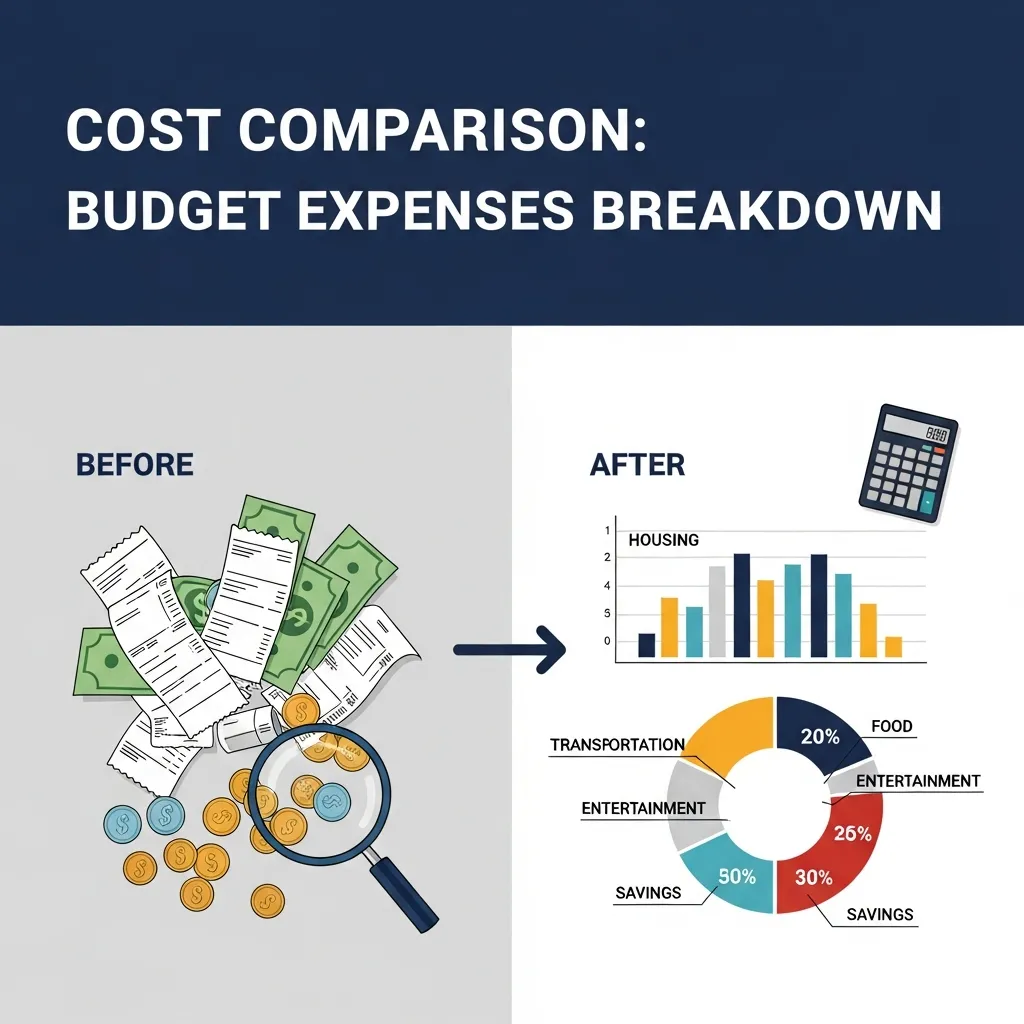
Money plays a massive role in choosing between overland travel vs traditional travel. Both styles scale to fit various budgets, but the distribution of costs looks completely different.
Upfront Investments
Evaluating overland travel vs traditional travel requires looking at initial spending. Overlanding demands a high upfront investment. You need a capable 4WD vehicle, camping gear, recovery equipment, and potentially a mobile power setup. Building a reliable rig can cost anywhere from a few thousand dollars to well over six figures.
Traditional travel requires very little upfront investment. You might buy new luggage or some travel clothes, but the bulk of your money goes toward bookings. You pay for flights, accommodations, and guided tours.
Daily Operating Costs
Once on the road, the daily financial dynamic of overland travel vs traditional travel flips entirely.
Overlanding boasts incredibly low daily costs. Because your vehicle serves as your transport and accommodation, you eliminate hotel bills. You cook your own meals, cutting out expensive restaurants. Your primary daily expenses include fuel, basic groceries, and occasional park fees or vehicle maintenance.
Traditional travel features high daily costs. You pay nightly rates for beds. You dine out for almost every meal. You buy tickets for trains, buses, or taxis to move around the city. These expenses compound quickly, making long-term travel quite expensive unless you strictly stick to budget hostels.
Comparison Table: Overland Travel vs Traditional Travel Costs
|
Expense Category |
Overland Travel |
Traditional Travel |
|---|---|---|
|
Upfront Investment |
High (Vehicle, gear, modifications) |
Low (Luggage, basic travel gear) |
|
Daily Accommodation |
Low to None (Dispersed camping, public lands) |
High (Hotels, resorts, hostels) |
|
Food & Dining |
Low (Cooking groceries at camp) |
High (Restaurants, cafes, room service) |
|
Transportation |
Moderate (Fuel, maintenance, insurance) |
High (Flights, trains, rental cars, taxis) |
|
Spontaneous Costs |
Moderate (Unexpected repairs, gear replacement) |
Moderate (Last-minute bookings, tours) |
Comfort and Convenience on the Road
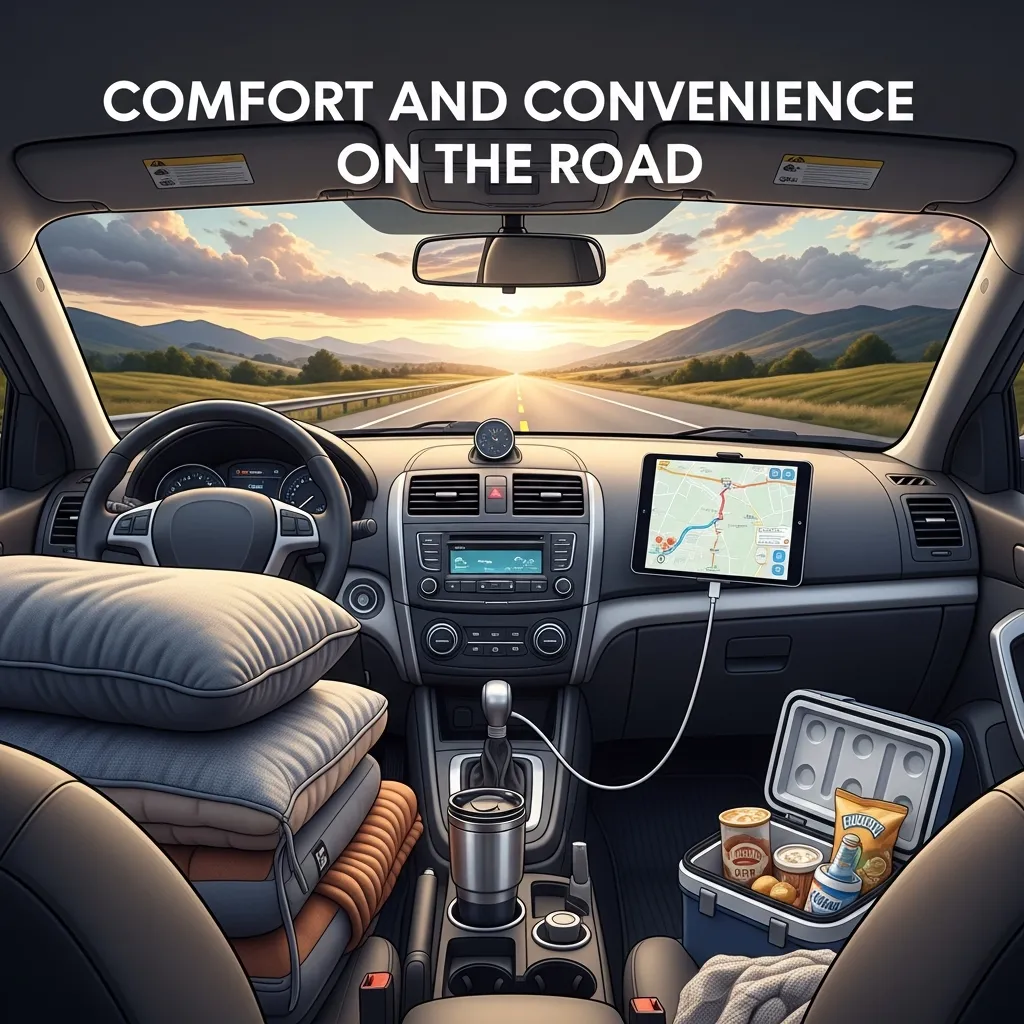
Comfort levels vary wildly when assessing overland travel vs traditional travel. Your definition of comfort will heavily influence your final decision.
The Realities of Overlanding Comfort
When you choose overlanding, you trade climate-controlled hotel rooms for the unpredictability of nature. You sleep on camping mattresses or in a compact camper shell. You manage your own water supply. You might go days without a proper hot shower, relying instead on portable wash systems or wet wipes.
However, overlanding brings a unique type of comfort. You sleep in your own bed every night. You never have to pack and unpack suitcases. You carry your favorite foods and adventure travel gear everywhere you go. For many, having a familiar mobile basecamp outweighs the luxury of a hotel room.
The Ease of Traditional Vacations
Traditional travel prioritizes physical ease. When looking at overland travel vs traditional travel, the traditional route wins on sheer convenience. You sleep on plush mattresses. You take long, hot showers without monitoring the water tank. Room service delivers food directly to your door.
If you encounter bad weather during a traditional trip, you simply stay inside your climate-controlled room. In an overland scenario, bad weather means hunkering down in a vehicle or dealing with a wet campsite.
Common Mistakes to Avoid
When navigating overland travel vs traditional travel, beginners often make these critical errors:
- Overpacking your vehicle: Heavy rigs consume more fuel and break down faster.
- Ignoring vehicle limits: Not every SUV can handle deep sand or rock crawling.
- Assuming traditional travel is always easier: Delayed flights and lost luggage cause immense stress.
- Skipping travel insurance: Both travel styles require solid medical and logistical coverage.
The Travel Experience: Freedom vs Structure
The day-to-day experience highlights the starkest contrast between overland travel vs traditional travel.
Embracing Complete Freedom
Overland travel vs traditional travel usually comes down to scheduling. Overlanding offers absolute, unbridled freedom. You wake up without an alarm. You drive down a dirt road simply because it looks interesting. If you find a breathtaking canyon, you can park your vehicle and stay for three days. You have no itinerary.
This style immerses you in local cultures and landscapes. You shop at local markets for camping logistics and food. You interact with locals in rural villages far outside the tourist bubbles.
Enjoying Curated Experiences
Traditional travel provides structure. You know exactly where you will sleep next Tuesday. You have tickets to the museum at 2:00 PM. This structure removes decision fatigue. You do not have to worry about finding a safe place to park for the night or fixing a flat tire in the rain.
Traditional travel excels at delivering curated cultural highlights. You get easy access to world-class museums, famous restaurants, and guided historical tours.
Pro Tips for Choosing Your Path

If you remain torn between overland travel vs traditional travel, consider these expert insights to guide your planning:
- Test the waters: Rent an overland vehicle for a weekend before buying your own rig.
- Mix and match: Try a traditional trip where you rent a 4×4 for a two-day backcountry excursion.
- Assess your skills: Overlanding requires basic mechanical knowledge and wilderness survival skills.
- Consult the experts: Read up on overland vehicle builds to understand what it actually takes to maintain a rig.
- Practice responsible recreation: Always follow Leave No Trace principles, which you can learn more about through organizations like Tread Lightly.
Preparing for the Unexpected
Risk management differs significantly between overland travel vs traditional travel.
Overland travel vs traditional travel means facing different types of emergencies. In an overland vehicle, you might face a broken axle miles from cell service. You must carry recovery gear, a comprehensive first aid kit, and ideally a satellite communication device. You rely heavily on your own skills and preparation.
Traditional travel carries logistical risks. Flights get canceled. Hotel reservations vanish from the system. Pickpockets target tourist areas. However, resolving these issues usually just requires a phone call, a credit card, or a visit to the local embassy.
Navigating Environmental Impact
Modern adventurers care deeply about their footprint. When comparing overland travel vs traditional travel, both leave a mark on the earth.
Overland vehicles consume significant amounts of fuel. However, overlanders typically practice sustainable tourism by avoiding massive resorts that consume vast local resources. They pack out their trash and respect public lands.
Traditional travel relies heavily on aviation, a major contributor to global emissions. Large resorts often strain local water and energy supplies.
To mitigate your impact regardless of your choice, support local economies, respect wildlife, and minimize single-use plastics. You can track global fuel quality and environmental initiatives through resources provided by the United Nations Environment Programme.
Essential Gear and Preparation
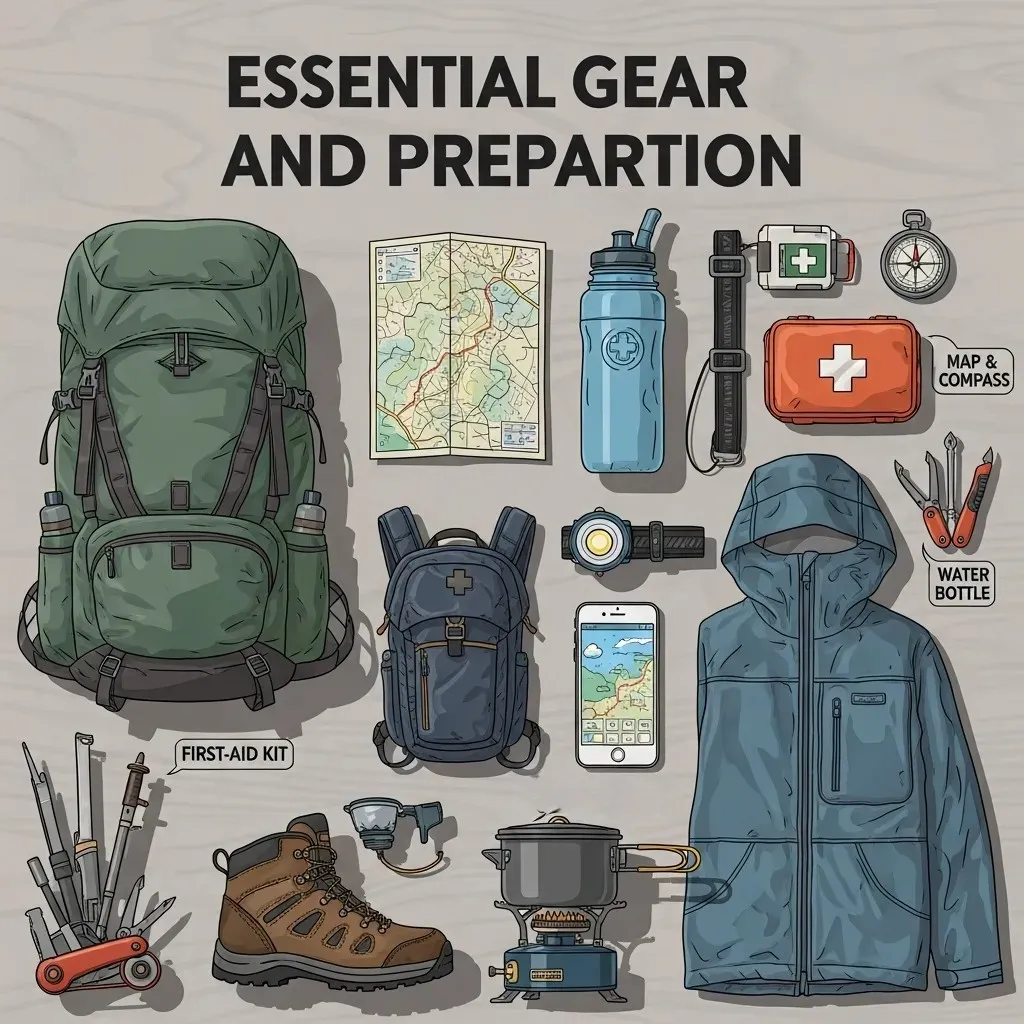
Preparing for overland travel vs traditional travel requires completely different packing strategies.
For traditional travel, a sturdy suitcase and a versatile wardrobe suffice. You pack for specific climates and social settings.
Overlanding demands extensive preparation. You need tools, spare parts, extra fluids, and reliable navigation systems. Many overlanders rely on detailed topographic maps from the US Geological Survey to navigate areas without cell service. You must understand your vehicle’s payload capacity and weight distribution. Mastering budgeting for road trips ensures you always have emergency funds for unexpected mechanical failures.
Conclusion
The debate between overland travel vs traditional travel ultimately comes down to your personal priorities. Do you crave absolute freedom, self-reliance, and remote wilderness? Or do you prefer curated experiences, deep relaxation, and predictable comfort? By carefully weighing overland travel vs traditional travel, you can confidently build an itinerary that satisfies your wanderlust. Stop waiting for the perfect moment—start planning your next great adventure today!
FAQs
What is the main difference between overland travel vs traditional travel?
Overland travel focuses on self-reliant journeying in a capable vehicle to remote destinations. Traditional travel focuses on reaching a specific destination using public or commercial transport and staying in established accommodations.
Is overland travel vs traditional travel cheaper?
Overlanding has high upfront vehicle costs but very low daily expenses. Traditional travel requires little upfront investment but has high daily costs for hotels and restaurants.
Do I need a special vehicle for overland travel?
While you do not need a massive truck, a reliable vehicle with high clearance and four-wheel drive is highly recommended for tackling dirt roads and remote trails safely.
Can families enjoy overland travel?
Yes. Many families love overlanding because it teaches children resilience, nature appreciation, and practical skills. It requires careful packing and pacing to keep kids comfortable.
Is overland travel dangerous compared to traditional travel?
Both have risks. Overlanding poses mechanical and environmental risks (weather, wildlife). Traditional travel poses logistical and urban risks (theft, delays). Preparation mitigates both.
How do you stay clean while overlanding?
Overlanders use portable solar showers, wet wipes, and biodegradable soap in natural water sources. They also occasionally book a motel or visit a truck stop for a proper shower.
What kind of maps are best for overlanding?
Digital maps like Gaia GPS or onX Offroad are excellent, but you should always carry physical topographic maps as a backup in case your devices fail or lose power.
Do I need to know how to fix a car to overland?
You should know basic maintenance: changing a tire, checking fluids, and replacing fuses. You do not need to be a master mechanic, but self-reliance is crucial for remote travel.
How do you find places to sleep while overlanding?
Overlanders use apps like iOverlander to find dispersed camping spots on public lands, national forests, and Bureau of Land Management (BLM) territories where camping is free and legal.
Which travel style is better for remote work?
Traditional travel offers reliable Wi-Fi in hotels and cafes. Overlanding requires investing in satellite internet (like Starlink) or cellular boosters to maintain a connection in the wilderness.