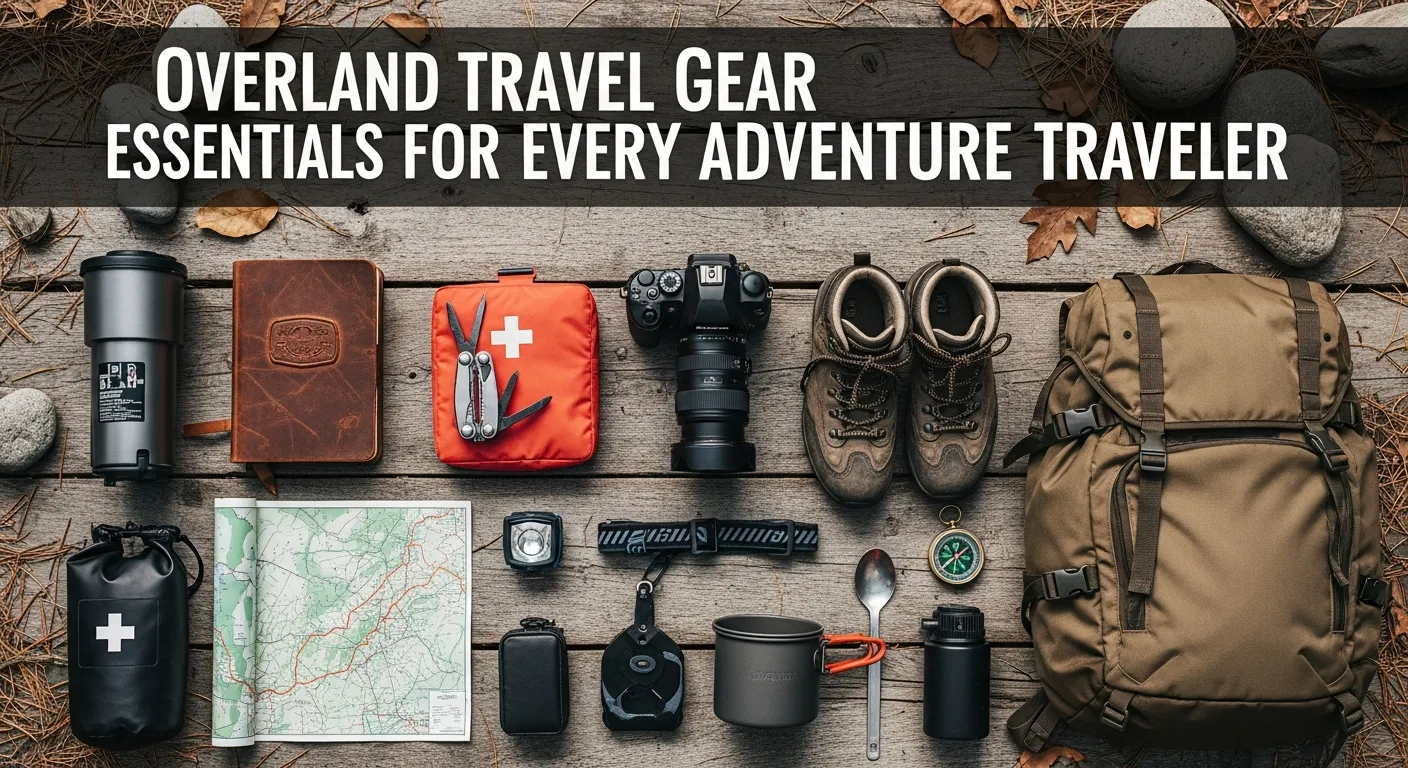
This comprehensive guide breaks down the core equipment required for vehicle-supported exploration. You will learn how to choose reliable recovery tools, set up a comfortable camp, navigate remote trails safely, and avoid beginner packing mistakes to maximize your outdoor experience.
Planning an off-grid journey requires serious preparation. Discovering the right Overland Travel Gear Essentials transforms a risky, unpredictable drive into a safe, comfortable, and unforgettable wilderness adventure.
Why You Need the Right Overland Travel Gear Essentials
Embarking on a vehicle-supported expedition demands more than just a full tank of gas and a sleeping bag. The wilderness presents unpredictable challenges, ranging from sudden weather shifts to mechanical failures miles away from the nearest town. Gathering your Overland Travel Gear Essentials ensures you remain self-reliant, secure, and comfortable regardless of what the trail throws your way.
Every piece of equipment you pack must serve a distinct purpose. Space and weight remain at a premium in any off-road vehicle. Overloading your rig compromises fuel efficiency, handling, and suspension longevity. Therefore, curating a precise list of Overland Travel Gear Essentials requires a strategic approach. You must balance comfort with practicality, prioritizing items that offer multi-functional utility.
When you establish a solid foundation of gear, you gain the confidence to push boundaries. You can explore deeper into the backcountry, knowing you possess the tools to recover a stuck vehicle, treat a medical emergency, and sustain yourself comfortably for days or weeks. This guide categorizes the ultimate Overland Travel Gear Essentials into logical phases, helping you build a comprehensive, reliable kit from the ground up.
Vehicle and Mechanical Equipment
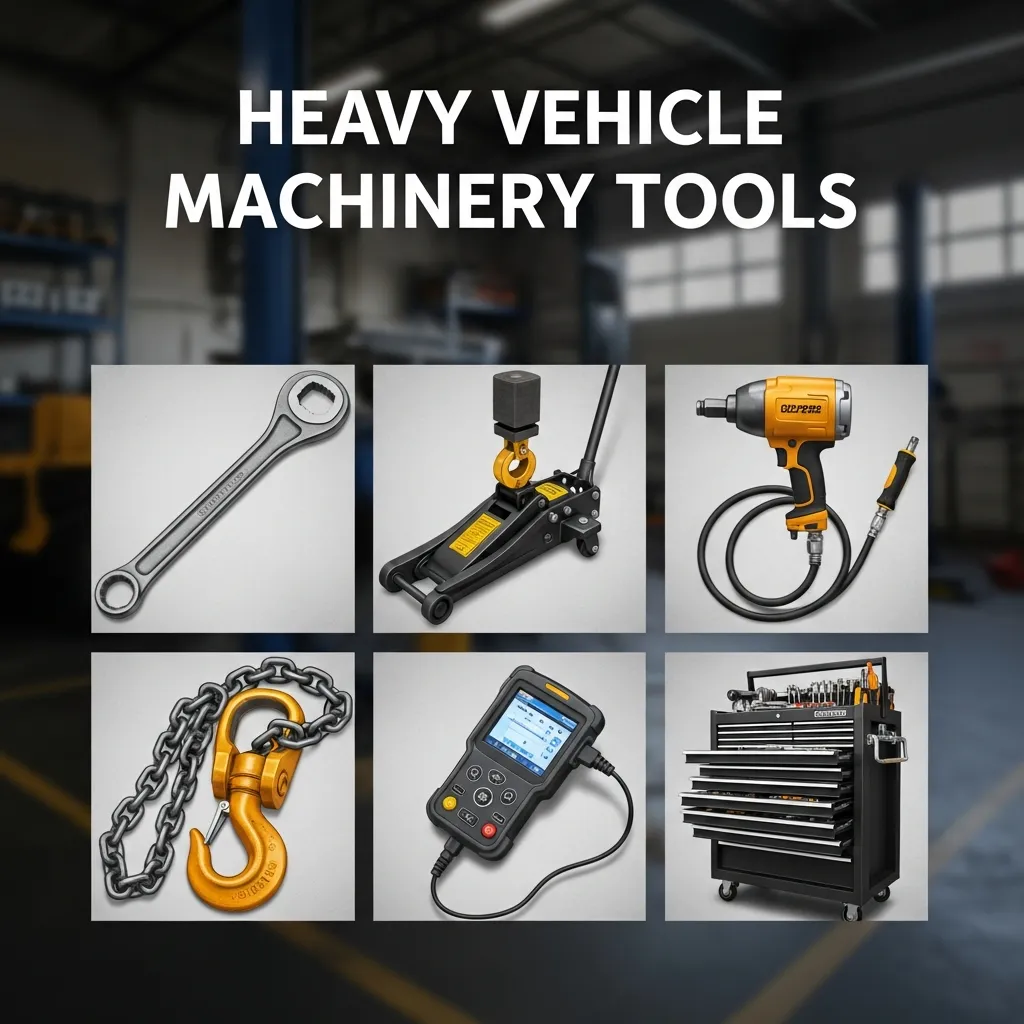
Your vehicle serves as your transportation, your shelter, and your lifeline. Properly equipping your rig forms the absolute baseline of your Overland Travel Gear Essentials. Before you look at camp chairs or fancy awnings, you must address the mechanical realities of off-road driving.
Tires and Suspension Upgrades
The tires connect your vehicle to the earth. Standard highway tires will fail rapidly on jagged rocks and deep mud. Upgrading to high-quality all-terrain or mud-terrain tires stands as a critical priority. You also need a full-size spare tire. A temporary donut tire holds no value when you suffer a blowout fifty miles down a dirt road.
Coupled with tires, your suspension system dictates your ride quality and load capacity. Adding heavy bumpers, rooftop tents, and storage drawers quickly exceeds factory suspension limits. Upgrading your shocks and springs prevents the vehicle from bottoming out and maintains a safe ride height. Understanding your vehicle’s Gross Vehicle Weight Rating (GVWR) remains vital. Staying up to date on overland vehicle maintenance ensures your upgraded components function flawlessly over time.
Essential Recovery Gear
Getting stuck is an inevitable part of the journey. The difference between a minor inconvenience and a life-threatening crisis lies entirely in your recovery equipment. Your Overland Travel Gear Essentials must include items that allow for safe, efficient self-recovery.
First, invest in high-quality traction boards. These heavy-duty plastic ramps slide under spinning tires, providing immediate grip in sand, mud, or snow. They require no specialized training to use and offer the fastest method for escaping soft terrain.
Second, carry a sturdy D-handle shovel. Digging out the chassis often solves the problem before you even need traction boards.
Third, consider a winch. While expensive, a winch provides ultimate pulling power when traction boards fail. Pair your winch with rated recovery points, a kinetic snatch strap, and soft shackles. Never use standard towing balls for dynamic off-road recoveries, as they can snap and become lethal projectiles. Mastering proper 4×4 recovery techniques keeps you and your passengers safe during these stressful situations.
Tools and Spare Parts
Mechanical failures happen. Carrying a tailored tool kit allows you to perform trailside repairs and keep the expedition moving. Do not pack every tool you own; instead, pack the specific metric or standard wrenches and sockets your vehicle requires.
Include critical spare parts known to fail on your specific vehicle model. Common spares include serpentine belts, radiator hoses, fuses, relays, and CV axles. Additionally, pack a heavy-duty tire repair kit and a reliable 12-volt air compressor. You will frequently air down your tires to improve traction and ride comfort on corrugated dirt roads. The compressor allows you to air back up when you return to the pavement.
Navigation and Communication Systems
Losing your way or losing contact with the outside world presents massive risks. Reliable navigation and communication form a non-negotiable pillar of your Overland Travel Gear Essentials.
Digital and Analog Navigation
Relying solely on your smartphone’s basic map application will leave you stranded once you lose cellular service. You need dedicated offline mapping software. Programs that allow you to download topographical maps and satellite imagery ensure you always know your exact coordinates.
However, electronics fail. Batteries die, and screens shatter. You must always carry physical paper maps of the region you plan to explore. A traditional compass and the knowledge to use it provide a foolproof backup plan.
Remote Communication Devices
When traveling far beyond cell towers, you need a way to call for help in an emergency. Two-way satellite communicators offer peace of mind. These devices allow you to send text messages, track your route, and trigger an SOS alert to global search and rescue teams. We highly recommend checking out satellite communication options like those offered by Garmin to find a device that fits your budget.
For vehicle-to-vehicle communication within a convoy, install a GMRS or Ham radio. These radios allow drivers to warn each other about upcoming obstacles, oncoming traffic, or route changes.
Camp Life and Livability Setup
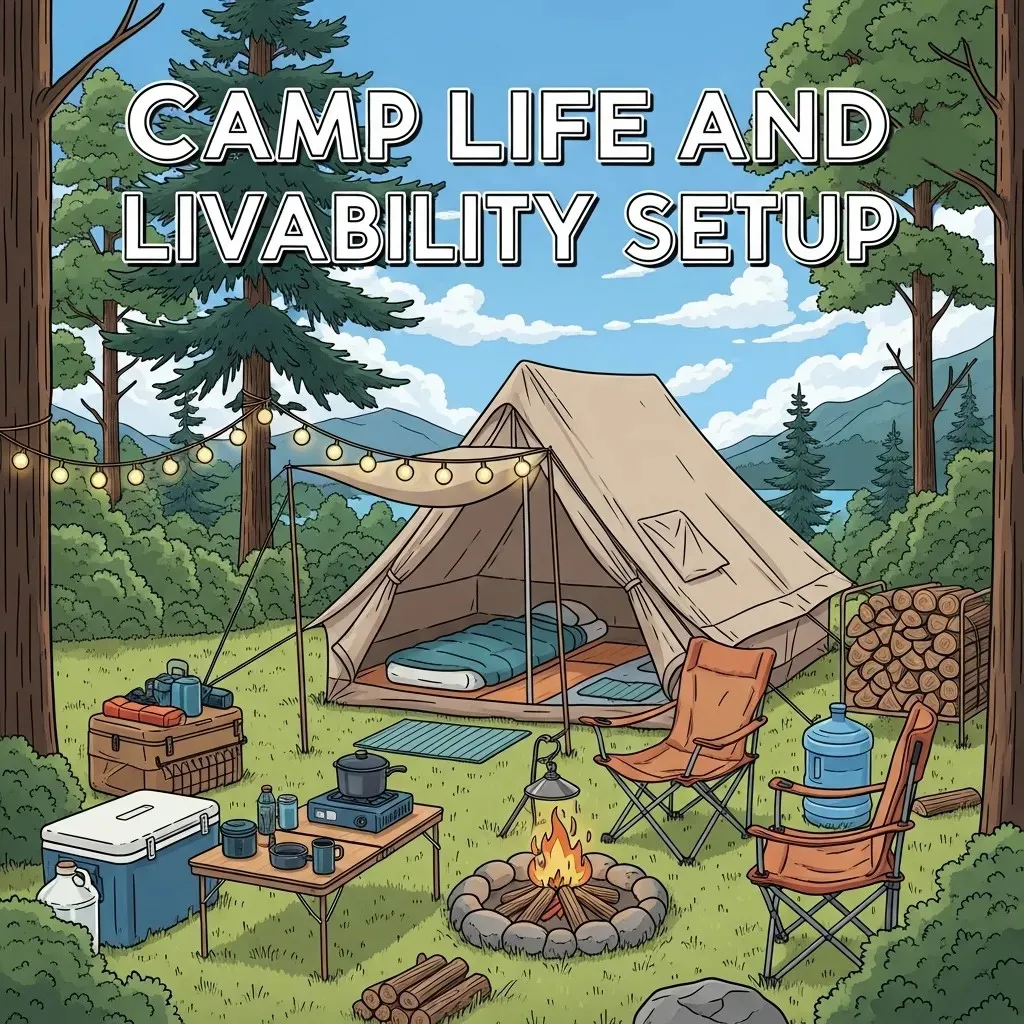
Once you reach your destination, your vehicle transforms into your home. The livability aspect of your Overland Travel Gear Essentials dictates how well you rest and recharge for the next day of driving.
Sleep Systems and Shelter
A good night’s sleep directly impacts your decision-making and driving ability. You have multiple options for shelter, ranging from simple ground tents to elaborate hardshell rooftop tents. Rooftop tents keep you elevated away from ground moisture, crawling insects, and uneven terrain. They deploy quickly, allowing you to set up camp in minutes. If you need help deciding, reading up on how to choose an overland tent will guide you toward the right investment.
Regardless of the tent style, prioritize a high-quality sleeping pad and a sleeping bag rated for temperatures at least 10 degrees colder than you expect to encounter.
Camp Kitchen and Cooking
Eating well boosts morale and maintains your energy levels. A robust camp kitchen stands out as a favorite category within Overland Travel Gear Essentials.
Start with a reliable dual-burner propane or liquid fuel stove. This allows you to boil water for coffee while simultaneously cooking breakfast. Invest in a durable set of nesting pots and pans to save space.
Food storage requires careful consideration. While traditional coolers work for short weekend trips, a 12-volt portable refrigerator changes the game for long-term travel. A fridge eliminates the need for ice, preventing your food from becoming soggy and spoiling. It draws power from your vehicle’s battery or a dedicated portable power station. Learning the art of off-grid camp cooking turns basic meals into culinary highlights.
Water Storage and Filtration
Water serves as your most critical resource. You need water for drinking, cooking, washing dishes, and personal hygiene. Plan to carry at least one gallon of water per person, per day. Use heavy-duty, BPA-free jerry cans or a built-in water tank to transport your supply securely.
Always carry a backup water filtration system. If your primary supply leaks or you extend your trip, a pump filter or a gravity filtration bag allows you to safely process water from lakes and streams.
Emergency and First Aid Supplies
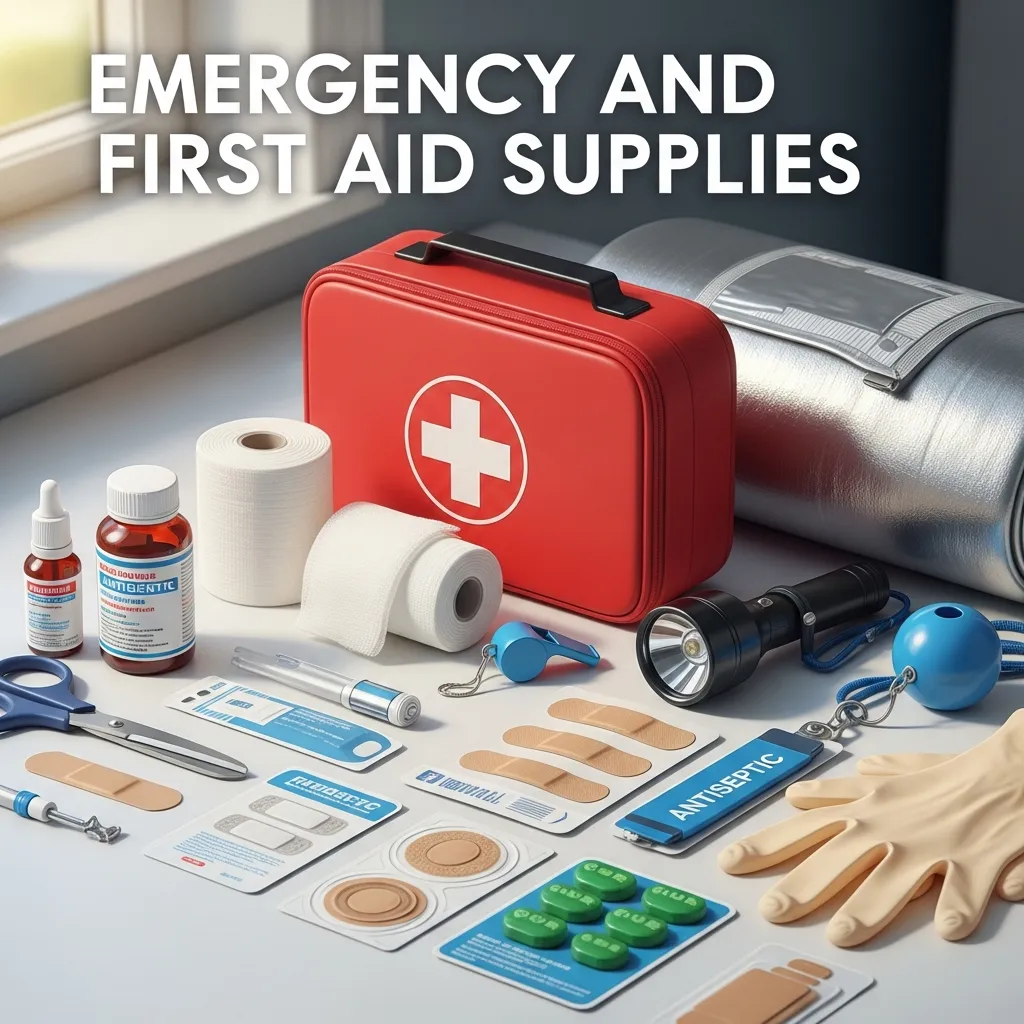
Safety always comes first. The most vital Overland Travel Gear Essentials are the ones you hope never to use.
A comprehensive medical kit handles everything from minor scrapes to severe trauma. Do not rely on cheap, pre-packaged kits from the drug store. Build a trauma kit containing tourniquets, hemostatic dressings, splints, and burn treatments. Furthermore, equipment holds no value without the knowledge to use it. Consider enrolling in a wilderness medicine course through an organization like NOLS to prepare yourself for off-grid medical emergencies.
Fire extinguishers also belong in every vehicle. Mount them securely in easily accessible locations. Vehicle fires spread with terrifying speed, and a quick response saves lives and equipment.
Common Mistakes to Avoid
- Overloading the Vehicle: Packing too much gear ruins your suspension, decreases fuel economy, and increases the likelihood of a rollover. Stick strictly to the essential items.
- Buying Cheap Recovery Gear: A snapped recovery strap can cause fatal injuries. Always buy rated, tested recovery equipment from reputable brands.
- Neglecting Tie-Downs: Loose gear becomes a deadly projectile in a sudden stop or accident. Secure every heavy item with rated cargo straps.
- Skipping the Test Run: Never embark on a massive expedition with brand-new, untested gear. Take a short weekend trip to familiarize yourself with how everything works.
- Ignoring Tread Lightly Principles: Respect the environment. Stay on designated trails and pack out all your trash. Review the guidelines from Tread Lightly to ensure you protect the trails for future generations.
Pro Tips and Expert Insights
- Implement the “Rule of Three” for Navigation: Always carry three forms of navigation. A primary GPS unit, an offline smartphone app, and physical paper maps.
- Store Gear in Clear Bins: Use transparent storage boxes for your equipment. This allows you to see the contents immediately, saving you from digging through multiple containers to find a single item.
- Focus on Multi-Use Items: A high-lift jack can winch a vehicle, clamp materials, and lift a chassis. A sturdy tarp provides shade, acts as a ground cover, or catches rainwater. Maximize utility to save space.
- Keep a “Bug Out” Bag: Pack a small backpack with emergency rations, a water filter, a satellite messenger, and a space blanket. If your vehicle catches fire or becomes hopelessly submerged, you can grab this bag and survive on foot.
Comparing Top Overland Storage Solutions
Organizing your Overland Travel Gear Essentials requires the right storage approach. Here is a quick comparison of popular storage methods.
|
Storage Type |
Durability |
Accessibility |
Cost |
Best For |
|---|---|---|---|---|
|
Heavy-Duty Plastic Totes |
Moderate |
Good |
Low |
Budget travelers, flexible packing |
|
Aluminum Storage Boxes |
High |
Good |
High |
Roof rack storage, weather resistance |
|
Built-in Drawer Systems |
Very High |
Excellent |
Very High |
Permanent organization, heavy tools |
|
Soft Sided Duffels |
Low |
Fair |
Low |
Clothing, sleeping bags, tight spaces |
Conclusion
Mastering your Overland Travel Gear Essentials empowers you to tackle remote landscapes with absolute confidence. By prioritizing vehicle reliability, robust recovery tools, reliable navigation, and a comfortable camp setup, you eliminate unnecessary stress. Invest in quality equipment, practice using it, respect the environment, and get ready to experience the ultimate freedom of vehicle-supported adventure.
FAQs
What are the most important Overland Travel Gear Essentials for beginners?
Beginners should prioritize safety and recovery above all else. The absolute essentials include a full-size spare tire, a heavy-duty tire repair kit, a 12-volt air compressor, basic hand tools, a first aid kit, and sturdy traction boards.
How much water should I pack for an overland trip?
A standard baseline requires one gallon of water per person, per day. This covers drinking, basic cooking, and light hygiene. If you travel through extreme desert heat or plan to take frequent showers, increase that amount to two gallons per person, per day.
Do I absolutely need a rooftop tent for overlanding?
No, a rooftop tent does not stand as a strict requirement. Many travelers use high-quality ground tents, sleep inside their vehicles, or use hammocks. Rooftop tents offer convenience and elevation, but they add significant weight to your roof and cost substantially more than ground tents.
Why is a 12-volt refrigerator better than a traditional cooler?
A 12-volt refrigerator drastically improves food management on the trail. It eliminates the need to buy ice, prevents your food from becoming waterlogged, and allows you to carry fresh produce and raw meats safely for weeks at a time.
What type of communication device works best off-grid?
When cellular service drops, a two-way satellite messenger provides the most reliable communication. These devices use satellite networks to send texts and SOS signals. For vehicle-to-vehicle chatting on the trail, GMRS or Ham radios perform best.
How do I power my electronics and fridge while camping?
Most travelers install a dual-battery system in their vehicle or use a portable lithium power station. You charge these systems using the vehicle’s alternator while driving, and top them off with portable solar panels when parked at camp.
Is it safe to go overlanding alone?
Solo overlanding carries inherent risks, but you can manage those risks with proper preparation. Always carry a satellite SOS device, inform a trusted contact of your exact route and expected return date, and carry redundant recovery gear like a winch and traction boards.
What tools should I keep in my overland tool kit?
Your kit should reflect your specific vehicle. Include a socket and wrench set matching your vehicle’s hardware, pliers, screwdrivers, a hammer, a multimeter for electrical diagnosis, zip ties, heavy-duty duct tape, JB Weld, and a pry bar.
How can I improve my vehicle’s off-road capability without spending a fortune?
The most cost-effective capability upgrade involves airing down your tires. Dropping your tire pressure to 15-20 PSI vastly increases your traction and softens the ride over rocky terrain. You only need to purchase a simple tire deflator and a 12-volt compressor to air back up.
What is the best way to secure gear inside my vehicle?
Never leave heavy gear loose in the cabin. Use rated cam-buckle straps or ratchet straps attached to solid factory tie-down points. For smaller items, use heavy-duty cargo nets. Built-in drawer systems provide the safest, most secure storage for heavy tools and recovery equipment.