A successful journey depends entirely on accurate financial forecasting. This guide breaks down exact cost categories, from initial vehicle modifications to daily fuel and food expenses. You will learn practical strategies to extend your runway, avoid hidden administrative fees, and maximize your outdoor adventure without draining your savings account.
Planning an off-grid expedition requires precise financial preparation. This Overland Travel Budgeting Guide provides the essential framework to help you manage vehicle costs, daily expenses, and emergency funds seamlessly—no matter your destination or dream route.
Why You Need an Overland Travel Budgeting Guide
Embarking on a cross-country or international drive is an exciting prospect, but it carries unique financial challenges. Unlike standard vacations, where costs are neatly packaged into flights and hotels, overlanding involves dynamic variables and fluctuating costs. An effective Overland Travel Budgeting Guide serves as your financial roadmap, ensuring you never find yourself stranded in a remote location due to a depleted bank account or unforeseen expenses.
Creating a robust financial plan allows you to travel longer, experience more, and handle mechanical breakdowns without panic. We will explore the critical pillars of off-grid travel finance, helping you allocate your resources effectively across vehicle preparation, daily living, administrative necessities, and those surprise emergencies that inevitably arise.
Phase 1: Initial Vehicle and Equipment Costs
The foundation of any overland trip is the vehicle. Your initial capital layout will heavily impact your ongoing maintenance costs and your comfort level on the road. The Overland Travel Budgeting Guide should always include a thorough analysis of your starting point so you can predict your ongoing expenses with confidence.
Selecting the Right Vehicle
You do not need a brand-new luxury SUV to start exploring. Many seasoned travelers prefer older, mechanically simple vehicles that are easier and more affordable to repair in the field. When budgeting for your rig, consider the purchase price, immediate maintenance needs, fuel efficiency, and necessary safety upgrades. If you are debating different models, exploring the best 4×4 vehicles for beginners can help you make a cost-effective choice. It’s wise to look at real ownership costs over the long haul rather than just the upfront sticker price.
Essential Modifications
It is easy to overspend on aesthetic vehicle accessories and nonessential gear. In your Overland Travel Budgeting Guide, focus your funds on modifications that improve reliability and safety.
- Suspension upgrades: Heavy loads require a robust suspension system to prevent structural damage, especially on rough terrain.
- All-terrain tires: High-quality tires prevent punctures, improve ride comfort, and help fuel efficiency on bumpy roads.
- Recovery gear: Winches, recovery boards, dynamic snatch straps, and a basic toolkit are non-negotiable safety investments.
- Electrical upgrades: Depending on your route, dual-battery systems or solar power can help you stay self-sufficient and reduce campsite fees.
Camping and Living Gear
Your vehicle becomes your home when you overland. Investing in a reliable sleep system and a functional kitchen setup saves money over time because it prevents you from relying on expensive hotels and restaurants. Consider choosing a rooftop tent versus a ground tent based on your budget and travel style. A high-quality 12-volt refrigerator or cooler might seem expensive upfront, but it pays for itself by preserving food and reducing waste. Don’t forget about a comfortable camp chair, a durable table, and minimalist cookware—these everyday luxuries help maintain morale and ensure you eat healthy at every stop.
Phase 2: Projecting Daily Travel Expenses
Once you hit the road, your Overland Travel Budgeting Guide must transition from fixed costs to variable daily expenses across the core categories: fuel, food, accommodation, and incidentals.
Fuel Management and Tracking
Fuel is consistently the largest daily expense for any overlander, so accurate estimation and tracking are vital in the Overland Travel Budgeting Guide. Your vehicle’s weight, tire pressure, aerodynamic drag, and the terrain you traverse all impact your miles per gallon. To estimate fuel costs:
- Calculate your total expected mileage.
- Divide by your vehicle’s average MPG (or L/100km).
- Multiply by the average cost of fuel in your destination regions.
You can use resources like FuelEconomy.gov or local forums to research baseline vehicle efficiency data, and you should always budget with a safety margin for unpredictable detours or emergencies.
Pro Tip:
Apps like GasBuddy and iOverlander help you find the cheapest fuel stops along your route, and planning slower days reduces your fuel burn—giving your budget more breathing room. Don’t underestimate the power of strategic route planning in your Overland Travel Budgeting Guide.
Food and Provisioning
Cooking your own meals is the fastest way to extend your travel budget. Start your Overland Travel Budgeting Guide’s food section with:
- Buying dry goods like rice, beans, and pasta in bulk.
- Shopping at local farmers’ markets for fresh produce.
- Limiting eating at restaurants or roadside diners to special cultural occasions or when buying local specialties.
Always include a separate budget for coffee, snacks, and water—the small purchases that easily add up over long journeys. Vacuum-sealed storage and a simple camp stove can save you hundreds over several weeks.
Sample Daily Food Budget in the Overland Travel Budgeting Guide:
- Breakfast (oats, fruit, coffee): $2–$3
- Lunch (sandwiches, snacks): $3–$5
- Dinner (hot meal with protein and vegetables): $5–$10
Eating mostly self-cooked meals keeps your costs reliably low.
Accommodation and Campsites
One of the main benefits of overlanding is the ability to sleep comfortably off-grid or at free campgrounds—saving you thousands over the course of a long adventure. Still, in the Overland Travel Budgeting Guide, plan to mix wild camping with paid campsites or hostels every so often to shower, do laundry, and reset.
- Many overlanders use apps like iOverlander to find safe, free, or low-cost dispersed camping spots.
- Paid campsites with amenities may run $10–$50 per night, depending on the region and services offered.
- Use hostel stays or local guesthouses for bad weather or city stops.
Ensuring flexibility in your accommodation plan helps you stick to your Overland Travel Budgeting Guide, even when weather or fatigue demands a break from the bush.
Phase 3: Administrative and Hidden Costs
Many travelers fail to account for the administrative burdens of international or cross-border travel. This is a critical chapter in any Overland Travel Budgeting Guide.
Visas and Permits
If your route crosses international borders, research all visa fees, vehicle import permits (such as Carnet de Passages), and local road taxes well in advance. Some countries have expensive entry requirements or road tolls that can add up quickly—sometimes $100s per border. Always keep a buffer in your Overland Travel Budgeting Guide for these unexpected processing or document fees.
- Check authoritative sites like Lonely Planet or Travel.State.Gov for up-to-date visa requirements and costs.
- For Africa, Asia, and South America, permit costs can sometimes exceed your daily operating budget for weeks at a time.
Insurance Requirements
You need comprehensive insurance coverage for both yourself and your vehicle. Standard domestic car insurance rarely covers international travel or serious off-road recovery.
- Purchase specialized overland vehicle insurance.
- Secure comprehensive health coverage that includes emergency medical evacuation.
- Consider trip cancellation/interruption insurance, especially for long expeditions.
Review guidelines from the World Health Organization for destination-specific health risks and mandatory vaccination costs. Often, travel clinics can give you the latest info and exact prices for shots—include these proactively in your Overland Travel Budgeting Guide.
Currency Exchange and Banking Fees
Using a standard debit card abroad often results in exorbitant foreign transaction fees and poor exchange rates.
- Open a travel-friendly bank account that waives international ATM fees or use services like Wise, Charles Schwab, or Revolut for favorable rates.
- Track fluctuating exchange rates using tools like XE Currency Converter and only withdraw as much cash as you need to reduce the risk of loss.
- Budget for unexpected ATM surcharges or card replacement fees.
With diligent planning in your Overland Travel Budgeting Guide, you’ll avoid common pitfalls that eat into your daily cash flow.
Budget vs. Mid-Range Overlanding
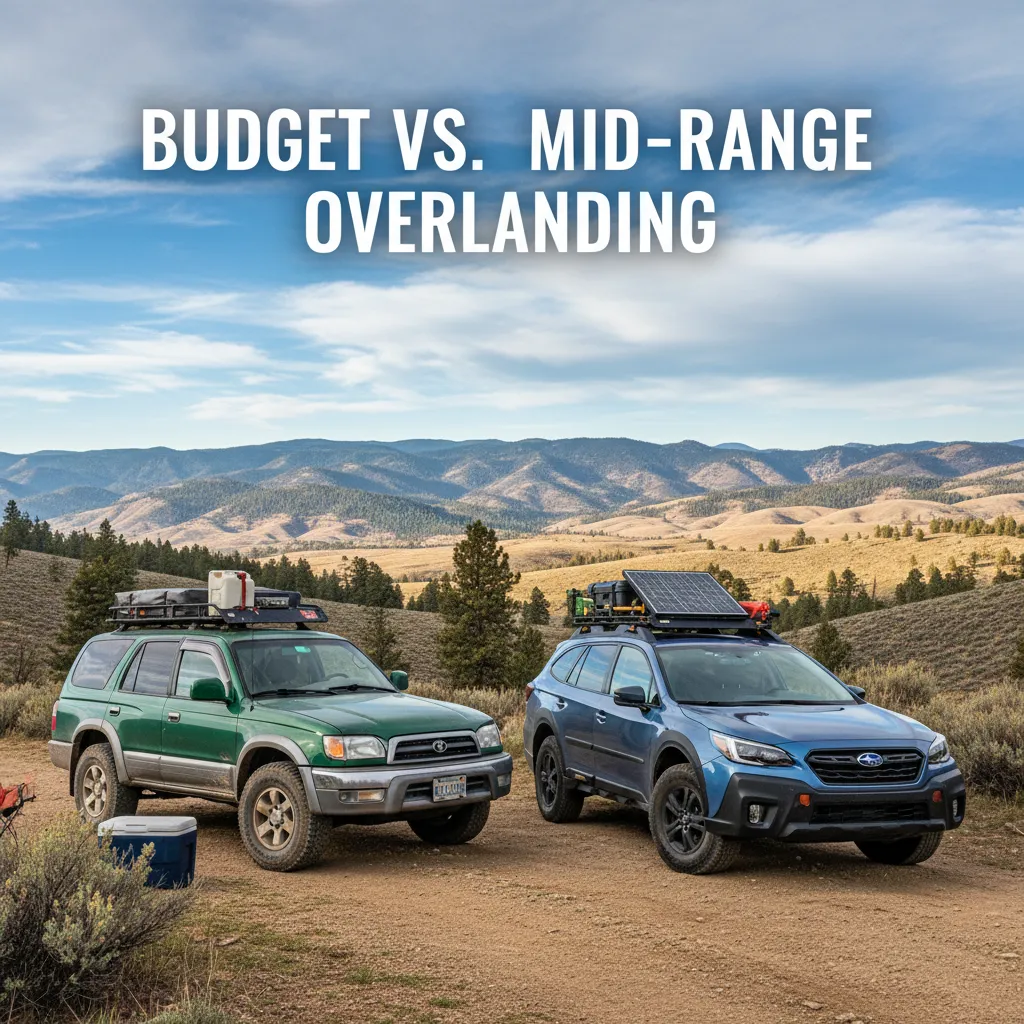
Understanding how different travel styles impact your wallet is crucial. Here’s a detailed breakdown of how a bare-bones budget approach compares to a mid-range approach over the course of a standard 30-day overland travel experience.
|
Expense Category |
Budget Overlander |
Mid-Range Overlander |
Strategy Difference |
|---|---|---|---|
|
Accommodation |
$0 – $50 |
$300 – $500 |
100% wild camping vs. mixing paid campsites |
|
Food & Dining |
$200 – $300 |
$600 – $800 |
Bulk dry goods & cooking vs. dining out frequently |
|
Fuel (approx.) |
$400 – $500 |
$600 – $800 |
Slow travel/shorter distances vs. long distances |
|
Activities |
$50 – $100 |
$200 – $400 |
Hiking/free parks vs. guided tours & paid entries |
|
Total Est. (Monthly) |
$650 – $950 |
$1,700 – $2,500 |
Self-reliance and minimalism vs. being focused on comfort |
Tip: Use this table as a template the next time you draft your own Overland Travel Budgeting Guide.
Common Mistakes to Avoid
Even the most meticulously planned trips can run into financial trouble if you fall victim to common pitfalls. Make your Overland Travel Budgeting Guide actionable by learning from these mistakes:
- Buying cheap gear: Purchasing low-quality recovery gear or electronics often means buying them twice. Invest up-front in durability.
- Traveling too fast: Rushing through regions skyrockets your fuel costs and keeps you from finding the best local deals. Slow travel is budget travel—stay longer, spend less per day, experience more.
- Ignoring preventative maintenance: Skipping oil changes or ignoring weird engine sounds can lead to catastrophic failures and huge expenses. Stick to a strict vehicle maintenance checklist (see our internal link on this topic!) in your Overland Travel Budgeting Guide.
- Failing to track daily spending: Small, unaccounted-for purchases add up. Log even minor expenses into a notebook or app.
- Overpacking: Carrying unnecessary items increases fuel usage and reduces storage efficiency. Audit your gear monthly!
Pro Tips for Saving Money on the Road
To make your funds last as long as possible, implement these expert strategies as part of your Overland Travel Budgeting Guide:
- Master DIY repairs: Learn how to change your own oil, plug a tire, and replace fuses. Mechanic stops in remote or touristy areas will wipe out your emergency fund.
- Optimize vehicle weight: Every extra pound reduces your fuel efficiency and suspension life. Ship home unneeded items or donate them.
- Travel according to season: Avoid peak holidays to secure lower prices on campsites, permits, and paid lodging.
- Use free community resources: Tap into overlander forums, local Facebook groups, and apps for intel on repairs, safety, and deals.
- Purify your own water: Avoid buying bottled water—install an in-line water filter to protect your wallet and the environment.
- Negotiate and bundle purchases: In many countries, bulk buying or paying in cash can get you better food or campsite deals.
Advanced Planning: Extending Your Overland Travel Budgeting Guide
A truly robust Overland Travel Budgeting Guide doesn’t stop at just outlining your costs. Take your planning further by addressing these advanced considerations:
Leveraging Technology Safely
- Download offline maps, budgeting apps, fuel price trackers, and emergency contact lists before leaving reliable internet areas.
- Consider a GPS tracker for safety and route monitoring (especially if traveling solo).
- Backup all essential documents in the cloud and on a password-protected USB drive.
Earning While Overlanding
Many overlanders supplement their travel funds by blogging, freelancing online, or working seasonally. The Overland Travel Budgeting Guide should include realistic income projections if remote work is part of your plan. See our internal guide: Best Ways to Work Remotely While Traveling.
Long-Term Budgeting and Trip Wrap-Up
- At the end of every week and month, review your actual spending versus projected budget in your Overland Travel Budgeting Guide. Adjust your allocations as needed.
- Document your lessons learned after each leg. Did you overestimate food costs? Underestimate border fees? This self-audit process makes your next expedition even more seamless—and more affordable.
Essential Resources for Overland Travel Budgeting
- For global route planning and regional fuel prices: Overlanding Association
- Travel health and vaccine costs: Centers for Disease Control
- Inspiration from community-driven trip reports: Expedition Portal
- Currency exchange rates worldwide: XE Currency Converter
- Best mobile banking for travelers: Wise
Leverage these free resources as you refine your Overland Travel Budgeting Guide before and during your journey.
Conclusion
Mastering your finances ensures your journey remains focused on exploration, learning, and unforgettable memories rather than financial stress. By implementing this Overland Travel Budgeting Guide, you can confidently select and prepare your vehicle, forecast daily and hidden costs, and manage surprises anywhere in the world. A carefully constructed Overland Travel Budgeting Guide allows you to extend your adventure longer, see more, and return home with both incredible stories and savings in your account. Start building your trip spreadsheet today, prioritize durable gear, and take the first step toward a financially sustainable off-grid journey. The world is waiting—make your adventure limitless with the right plan!
FAQs
What is the most expensive part of overlanding?
The initial vehicle purchase and modification phase is typically the most expensive part of your Overland Travel Budgeting Guide. Once you hit the road, fuel becomes the primary ongoing cost, followed by food and shipping fees if ocean crossings are involved.
How much should I save for an overland trip?
This depends entirely on your duration, travel style, and destination. A conservative estimate for a budget traveler in the Americas is between $1,500 and $2,500 per month for two people, excluding the initial vehicle build. Your Overland Travel Budgeting Guide should always reflect your unique plan.
Can I overland with a standard 2WD vehicle?
Yes, many overlanders use 2WD vans and hatchbacks. You’ll be limited to well-graded dirt roads and paved routes, but you’ll save on both fuel and mechanical costs according to your Overland Travel Budgeting Guide.
How do I handle emergencies on the road?
Maintain an emergency fund of at least $3,000 to $5,000, kept separate from your daily travel cash. This provides crucial flexibility for the unexpected. Your Overland Travel Budgeting Guide should allocate these funds from the start.
Is wild camping safe and legal?
Wild camping is typically safe and legal in many parts of the world, like U.S. Bureau of Land Management land. Always research local laws, reviews, and specific risks to make the best decision and log those findings in your Overland Travel Budgeting Guide.
How do overlanders make money while traveling?
Remote work, consulting, seasonal jobs, and content creation are all common. A sustainable Overland Travel Budgeting Guide factors in either active or passive income streams if you intend to be on the road long-term.
Do I need a Carnet de Passages for my vehicle?
A Carnet is required for temporary vehicle importation in many African, Asian, and Middle Eastern countries. Apply in advance, and deposit requirements can be significant; document these in your Overland Travel Budgeting Guide.
What food is best for overland travel?
Focus on non-perishable items like rice, lentils, canned veggies, and oats. If you have a reliable fridge, you can also safely transport fresh produce, meats, and dairy—a win for taste and nutrition. Add these staples to your Overland Travel Budgeting Guide’s grocery section.
How do I track my budget on the road?
Use offline-friendly apps or a simple Excel/Google Sheets budget to log every purchase and categorize them by fuel, food, accommodation, maintenance, and admin fees. Regularly update your Overland Travel Budgeting Guide for best results.
Should I buy an assembled overland vehicle or build my own?
Building your own can spread your expenses over time and allow for personal customization in your Overland Travel Budgeting Guide. Buying pre-built is faster but potentially riskier if you inherit hidden issues.