This comprehensive guide breaks down the frequent errors beginners and veterans make during off-road journeys. We cover vehicle preparation, gear selection, navigation blunders, and safety oversights. You will learn actionable strategies to optimize your setup, improve safety, and enhance your overall wilderness experience.
Planning an off-grid adventure requires skill and preparation. Understanding the most Common Mistakes in Overland Travel saves you time, money, and stress while exploring remote destinations.
Understanding Common Mistakes in Overland Travel
Hitting the dirt roads for an extended vehicle-based adventure offers unmatched freedom. However, the wilderness is unforgiving, and minor oversights quickly snowball into severe problems. Recognizing and learning from these pitfalls separates a disastrous trip from an unforgettable expedition. We have compiled a detailed breakdown of frequent errors to help you optimize your rig and your mindset.
Poor Vehicle Preparation and Maintenance
Your vehicle serves as your transportation, shelter, and lifeline. Neglecting its mechanical health ranks among the most severe errors you can make.
Ignoring Baseline Maintenance
Many drivers focus heavily on flashy aftermarket parts while ignoring basic mechanical health. Before embarking on any long journey, you must inspect your fluids, belts, hoses, and brakes. A blown radiator hose or snapped serpentine belt will stop your trip instantly. Make a habit of checking your engine bay daily when on the trail. Carrying spare parts is essential, but proper preventative care reduces the need to use them. For a deeper dive into keeping your rig trail-ready, review our guide on 4×4 vehicle maintenance.
Overloading the Vehicle
Every truck or SUV has a Gross Vehicle Weight Rating (GVWR). Exceeding this limit severely compromises your braking distance, handling, and suspension longevity. Many travelers pack items they never use, adding hundreds of pounds of unnecessary stress to their drivetrain. A heavy rig sinks faster in soft sand and struggles to climb steep inclines. Always weigh your fully loaded vehicle before a massive trip. Keep heavy items low and centered between the axles to maintain a stable center of gravity.
Choosing the Wrong Tires
Tires dictate how your vehicle interacts with the earth. Running standard highway tires on sharp rocks or deep mud invites punctures and traction loss. Conversely, aggressive mud-terrain tires create excessive road noise and decrease fuel economy during long highway stretches. Rugged-terrain or high-quality all-terrain tires provide the best balance for most off-grid travelers. Furthermore, failing to adjust tire pressure for specific terrain causes countless traction issues. Airing down your tires increases your contact patch, improving grip and softening the ride over harsh corrugations.
Navigation and Route Planning Oversights
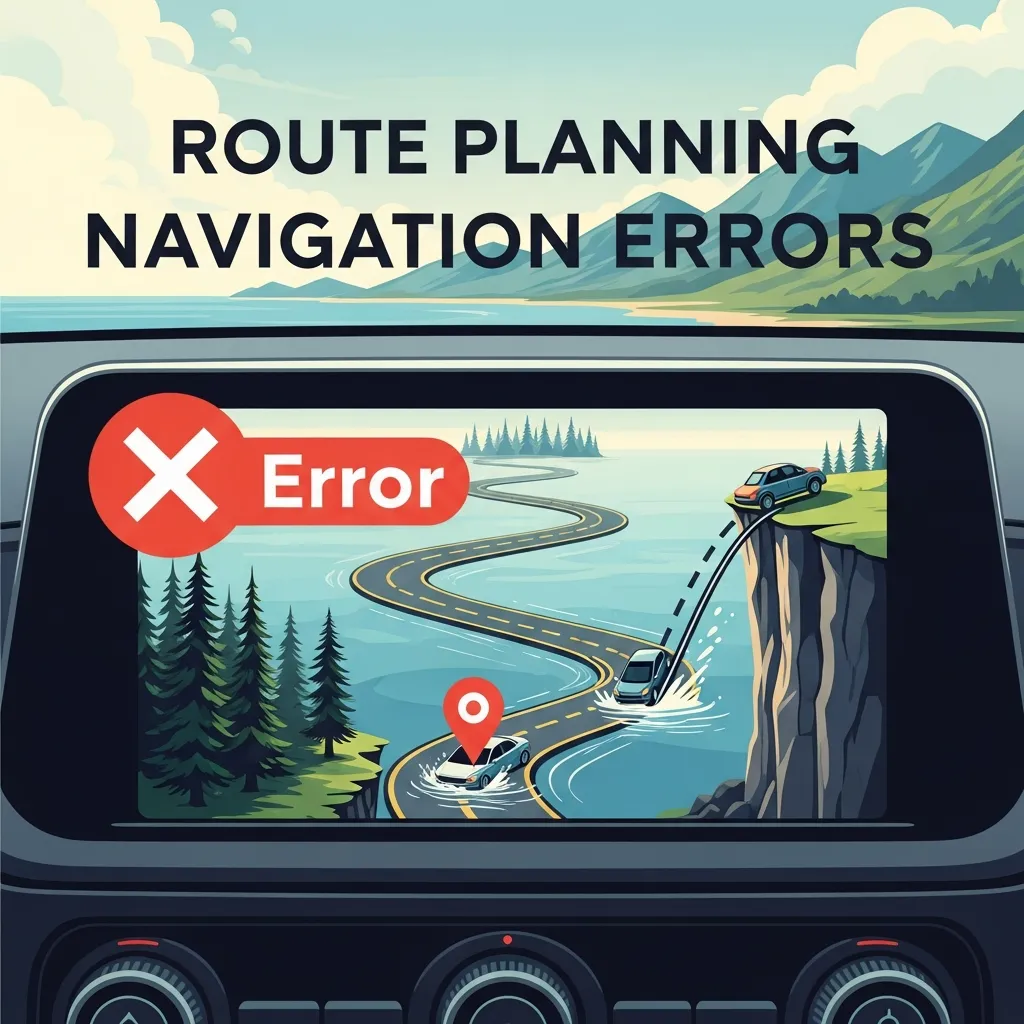
Getting lost in an unfamiliar region without cell service creates a highly stressful and potentially dangerous situation. Relying strictly on modern conveniences without a backup plan is a recipe for disaster.
Trusting Only Cell Phone GPS
Cellular coverage vanishes rapidly once you leave major highways. If you only use cloud-based mapping apps without downloading offline data, you will lose your map the moment you lose service. Always download maps for offline use before leaving home. Better yet, invest in a dedicated satellite GPS unit designed for off-road mapping. To further secure your route, keep a physical paper map and compass in your glovebox. You can cross-reference your digital tools with reliable topographical maps to ensure you stay on the correct path. Check out our off-road navigation guides for more robust mapping strategies.
Underestimating Travel Time
Traveling off-pavement dramatically reduces your average speed. A 50-mile stretch on a highway takes under an hour, but 50 miles over rocky, rutted mountain passes might take an entire day. When people overestimate their daily mileage, they end up driving late into the night. Driving trails in the dark increases the risk of animal strikes, vehicle damage, and missing prime campsites. Plan for conservative daily mileage goals to allow time for unexpected delays, vehicle recovery, and simply enjoying the scenery.
Ignoring Weather Patterns
Weather changes rapidly in mountainous and desert environments. A dry creek bed can transform into a raging river following a sudden storm miles away. Failing to check localized weather forecasts puts you at risk of flash floods, mudslides, and impassable snow drifts. Always monitor reliable meteorological sources like the National Weather Service before and during your trip. Adjust your route proactively if severe weather threatens your intended path.
Gear and Equipment Blunders
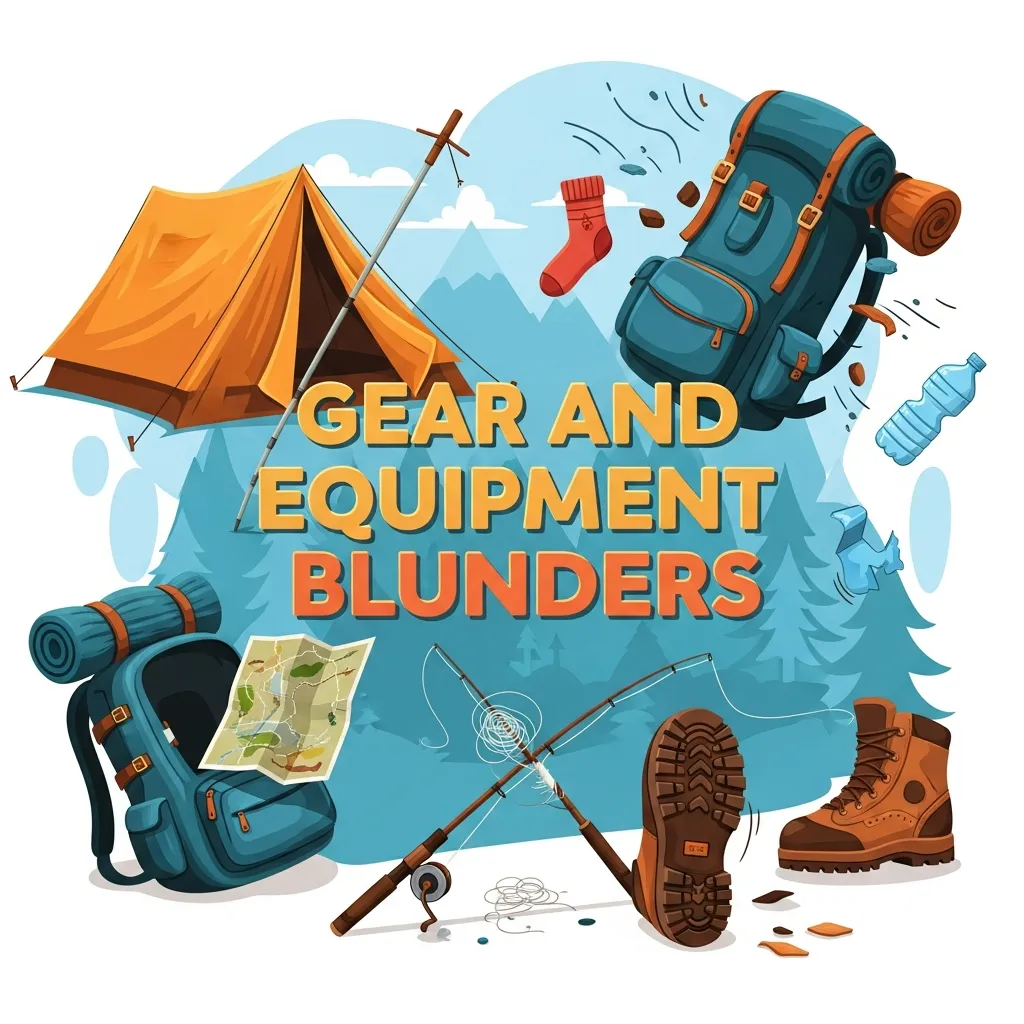
The outdoor industry markets endless accessories, leading many travelers to buy items they do not actually need. Poor gear choices drain your budget and clutter your vehicle.
Bringing “All the Gear and No Idea”
Purchasing a highly rated kinetic recovery rope or a heavy-duty winch means nothing if you do not know how to operate them safely. Winching involves massive amounts of stored kinetic energy. A snapped cable can cause catastrophic injury or vehicle damage. Before you head into remote areas, take a certified recovery course or practice your skills in a controlled environment. Learn how to use your traction boards, hi-lift jacks, and tire repair kits safely. Mastering recovery techniques ensures you can extricate your vehicle calmly and efficiently.
Skimping on Medical and Emergency Supplies
A basic first aid kit containing a few bandages and some pain relievers is vastly inadequate for remote travel. You are often hours or days away from professional medical help. Build or purchase a comprehensive trauma kit that includes tourniquets, splints, burn dressings, and blood-clotting agents. Furthermore, ensure you know how to apply these items. Consider taking a wilderness first aid course through organizations like the American Red Cross to prepare for serious medical emergencies.
Inadequate Water and Food Planning
Hydration is non-negotiable, especially in arid climates. Many beginners carry only a few plastic bottles of water, drastically underestimating how much they will consume for drinking, cooking, and hygiene. A reliable rule is one gallon of water per person per day, plus extra for the vehicle. Invest in durable water storage containers and a high-quality filtration system. For food, plan nutrient-dense meals that require minimal cleanup. Organizing your camp cooking setups efficiently prevents food spoilage and minimizes water usage during dishwashing.
Communication Failures
When things go completely wrong, calling for help is your ultimate safety net. Lacking proper communication tools is a massive vulnerability.
Traveling Solo Without Satellite Comms
Exploring alone provides incredible peace, but it removes the safety net of having another vehicle to assist with recovery or mechanical failures. If you choose to travel solo, carrying a satellite communication device is absolutely mandatory. Devices that allow two-way text messaging and feature an SOS button can save your life if you become stranded or injured.
Poor Group Communication
If you travel with a convoy, relying on dust clouds to follow the leader leads to separated groups and missed turns. Use high-quality GMRS or Ham radios to maintain constant contact between vehicles. Establish a communication protocol before the trip begins. The lead vehicle should call out oncoming traffic, trail hazards, and directional changes, while the tail vehicle should confirm that the entire group has cleared obstacles.
Environmental and Behavioral Pitfalls
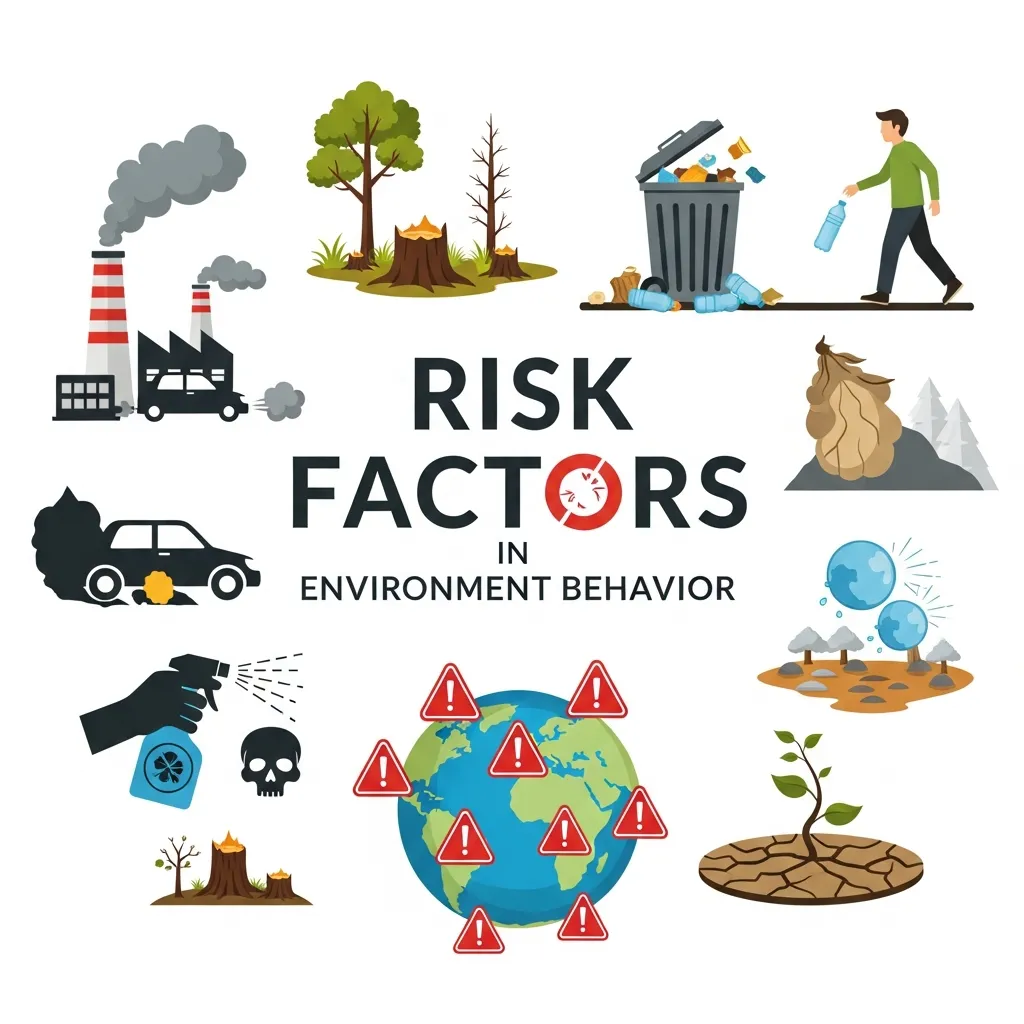
The way we treat the land dictates whether these pristine areas remain open for future generations. Ignorant behavior threatens the entire off-road community.
Veering Off Designated Trails
Creating new tracks around mud puddles or obstacles destroys fragile ecosystems and leads to severe soil erosion. This behavior directly results in trail closures by land management agencies. Always stay on designated routes, even if it means slowly crawling through a difficult section. For comprehensive guidelines on minimizing your environmental footprint, review the principles provided by Tread Lightly!.
Poor Campsite Etiquette
Leaving trash, failing to properly bury human waste, and leaving fire rings full of unburned garbage ruin the experience for everyone else. Pack out absolutely everything you pack in. If you find trash left by a previous camper, be a good steward and pack that out as well. Additionally, respect noise curfews. Running a loud generator late at night destroys the peaceful atmosphere that most people venture into the wild to experience. Ensure you build a sustainable overland gear essentials kit that includes waste management solutions like heavy-duty trash bags and portable toilets.
Expert Insights and Pro Tips
Avoiding mistakes comes down to experience and adopting a proactive mindset. Here are several expert insights to keep your journey smooth.
- Test your entire camp setup in your driveway or a local park before a major trip. You do not want to learn how to pitch a new awning in the dark during a rainstorm.
- Keep your most critical gear easily accessible. Your fire extinguisher, first aid kit, and tire deflators should be reachable within seconds, without needing to unpack other boxes.
- Perform a daily walk-around of your vehicle. Check tire sidewalls for cuts, inspect the undercarriage for leaking fluids, and ensure all roof rack bolts remain tight.
- Embrace the unexpected. Breakdowns and route closures happen. Having a flexible mindset turns a stressful delay into a unique part of the adventure.
Gear Assessment: Essential vs. Fluff
Understanding what to pack prevents overloading and saves money. Use this comparison table to evaluate your gear list.
|
Category |
True Essential |
Fluff (Often Unnecessary) |
|---|---|---|
|
Recovery |
Traction boards, kinetic strap, shovel |
Six different types of shackles, a massive high-lift jack (if lacking lift points) |
|
Kitchen |
Dual-burner stove, reliable cooler/fridge |
Espresso machines, full ceramic plate sets |
|
Shelter |
High-quality ground tent or weather-proof RTT |
Massive multi-room annexes for short weekend trips |
|
Water |
Hard-sided jerry cans, a mechanical water filter |
Single-use plastic water bottles |
|
Power |
Jump starter pack, basic dual battery setup |
Massive solar arrays to power residential appliances |
By critically evaluating your equipment, you streamline your vehicle’s weight and simplify your daily camp routine.
Conclusion
Navigating the wild requires respect, preparation, and adaptability. By understanding the Common Mistakes in Overland Travel, you drastically reduce your chances of breakdowns, injuries, and ruined trips. Prioritize vehicle maintenance, invest in essential communication and recovery gear, and always respect the environment. Equip yourself properly, plan your routes carefully, and embark on your next great adventure with confidence.
FAQs
What is the most frequent mistake beginners make off-road?
The most frequent mistake is overloading the vehicle with unnecessary gear. This excess weight strains the suspension, reduces fuel economy, and makes the vehicle much more likely to get stuck in soft terrain like sand or mud.
Do I need a heavily modified vehicle to start exploring?
Absolutely not. A stock four-wheel-drive vehicle in good mechanical condition, equipped with high-quality all-terrain tires, is highly capable. Focus on learning how to drive off-road and managing your tire pressure before investing in expensive suspension lifts or heavy bumpers.
How much water should I carry on a remote trip?
A standard baseline is one gallon of water per person per day, which covers drinking, cooking, and light hygiene. You should also carry an extra emergency reserve and a portable water filtration system in case your trip takes longer than expected.
Why is tire pressure so important on dirt trails?
Lowering your tire pressure allows the tire to flex and conform to the terrain. This creates a larger contact patch for vastly improved traction. It also absorbs the impact of rocks and corrugations, protecting your vehicle’s suspension and providing a much smoother ride.
What recovery gear should I purchase first?
Before buying a winch, start with the basics: a heavy-duty shovel, a set of reliable traction boards, and a kinetic recovery strap with soft shackles. These items are affordable, easy to use, and will safely extract your vehicle from the vast majority of stuck situations.
Is relying on my cell phone for navigation safe?
No, relying solely on cloud-based cell phone maps is incredibly dangerous. Cell service drops quickly in remote areas. Always download offline maps to your phone, carry a dedicated GPS unit, and keep physical topographical maps as a fail-safe backup.
How do I handle a mechanical breakdown in the wild?
Stay calm and assess the situation safely. Use your satellite communication device to contact help or fellow travelers if you cannot repair the issue yourself. Never leave your vehicle to hike for help in extreme weather, as your vehicle provides essential shelter and is easier for rescuers to spot.
What is the best way to manage trash at camp?
You must pack out everything you bring in. Use heavy-duty, odor-blocking trash bags and store them securely outside your living area, such as in a spare tire trash bag. Never burn plastic or leave food scraps in fire pits, as this attracts dangerous wildlife.
Do I really need a satellite communication device?
Yes. If you are traveling outside of cellular networks, a satellite communicator is a critical lifeline. It allows you to trigger an SOS for life-threatening emergencies and communicate with family or recovery services for minor issues.
How can I calculate my realistic daily driving distance?
Off-road driving is slow and unpredictable. While you might cover hundreds of miles on a highway, a rough trail might limit you to 10 miles per hour. Estimate your daily distance based on the specific terrain difficulty, and always leave a buffer of several hours for setting up camp before dark.