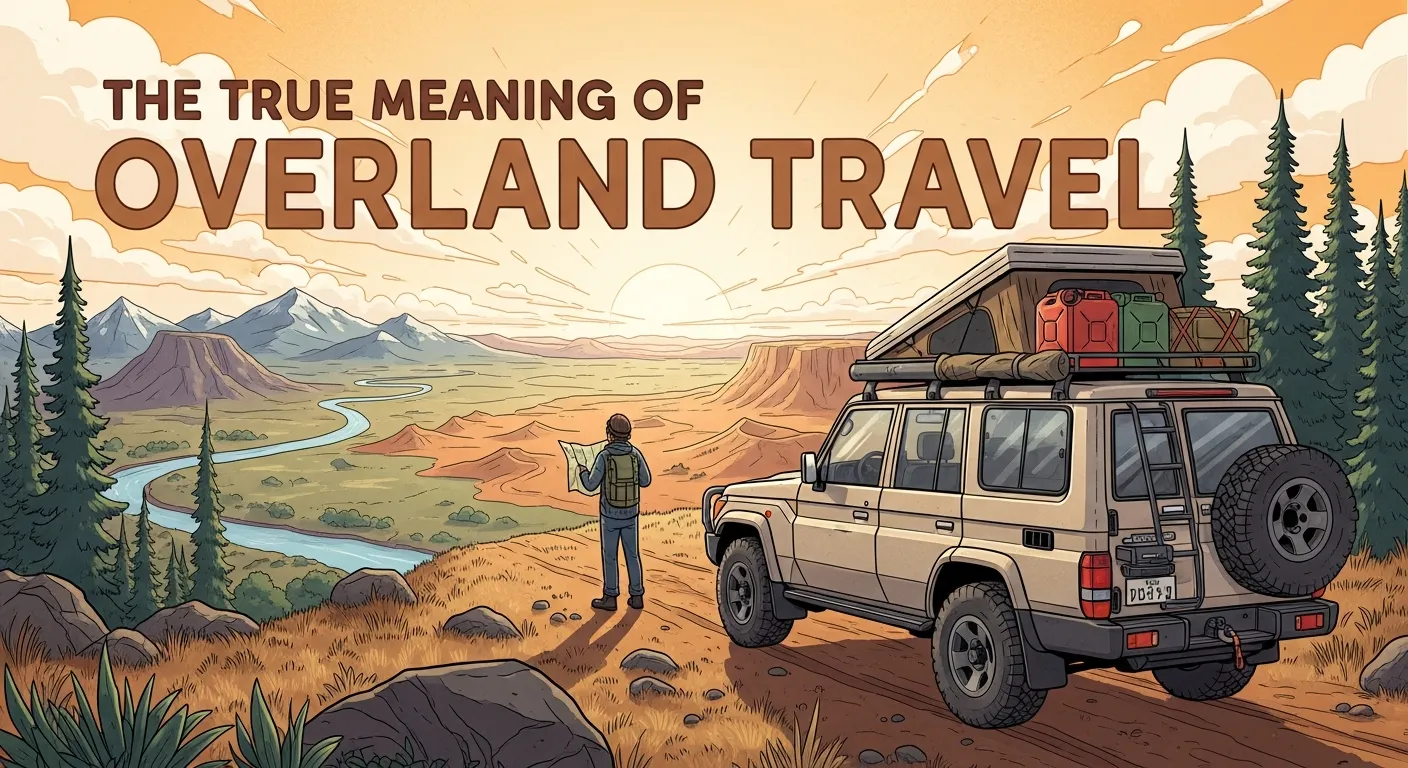
This comprehensive guide explores the life-changing benefits of overland travel, from deep cultural immersion to profound personal growth. You will uncover expert tips, essential gear recommendations, common mistakes to avoid, and actionable strategies to help you plan an unforgettable, self-reliant journey into the wild.
Ready to leave the beaten path behind? Embracing overland travel unlocks ultimate freedom, letting you discover remote landscapes and experience authentic adventures like never before.
When we talk about overland travel, we are not just discussing a weekend camping trip or a standard road trip. Overland travel is a purpose-driven journey focused on the experience rather than the destination. It involves exploring remote, off-grid locations, usually in a capable vehicle, while relying on your own skills and equipment for survival.
The rising popularity of overland travel stems from a collective desire to disconnect from digital noise and reconnect with nature. By choosing overland travel, you prioritize off-road exploration and self-reliance, transforming an ordinary vacation into a challenging yet deeply rewarding expedition. Whether you are driving a modified 4×4 or a versatile adventure van, overland travel challenges you to adapt, learn, and grow.
The Evolution of Overland Travel
Historically, overland travel began as a necessity for trade and exploration across vast continents like Africa and Australia. Today, overland travel has evolved into a lifestyle choice for thrill-seekers and nature lovers. Modern technology makes overland travel safer and more accessible, but the core ethos remains the same: self-sufficiency, respect for nature, and an unquenchable thirst for discovery.
The Top Benefits of Overland Travel
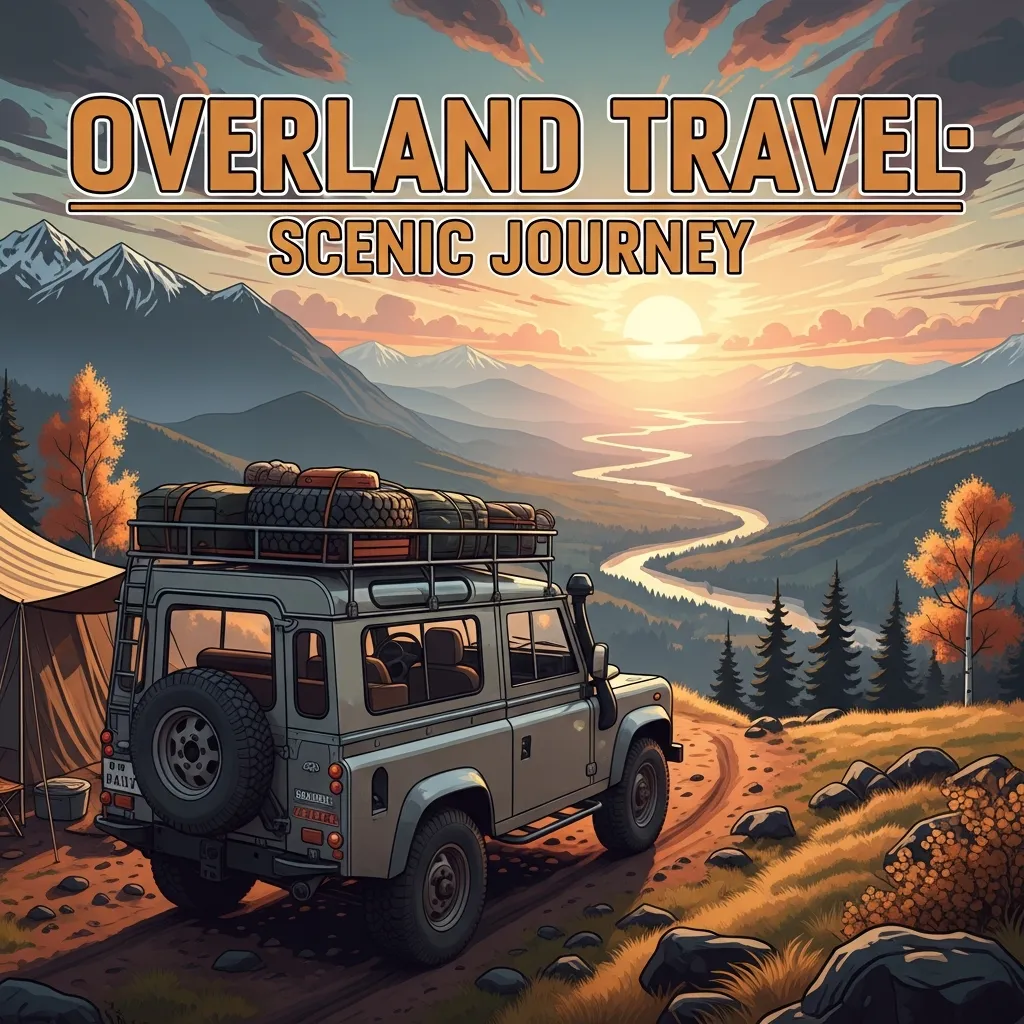
Why do thousands of adventurers choose overland travel every year? The benefits of overland travel extend far beyond simple sightseeing. It fundamentally changes how you interact with the world.
Unmatched Freedom and Flexibility
One of the greatest benefits of overland travel is the absolute freedom it provides. Traditional vacations chain you to strict itineraries, hotel reservations, and crowded tourist traps. Overland travel breaks those chains. If you find a stunning alpine lake, you can set up camp and stay for days. If the weather turns sour, you simply drive to a new climate. This level of flexibility ensures your overland travel experience remains completely in your control.
Deep Cultural Immersion
When you engage in overland travel, you naturally bypass commercialized tourist zones. This leads to profound cultural immersion. You will shop at local markets, navigate small rural towns, and interact with residents who rarely see foreign visitors. Overland travel forces you to slow down, allowing you to absorb the customs, flavors, and traditions of the places you visit.
Enhanced Personal Growth and Resilience
Overland travel is not always easy, and that is precisely why it is so valuable. You will face flat tires, extreme weather, and navigation errors. Overcoming these obstacles builds immense resilience. Through overland travel, you develop robust vehicle maintenance skills, improve your problem-solving abilities, and learn to trust your instincts. The challenges of overland travel forge a stronger, more capable version of yourself.
Cost-Effective Exploration
While outfitting an overland travel vehicle requires an initial investment, the long-term costs of overland travel are surprisingly low. By cooking your own meals and utilizing free dispersed camping, overland travel significantly reduces daily expenses. You trade expensive resorts and domestic flights for the simple, budget-friendly joy of the open road.
Reconnecting with Nature
Overland travel places you directly in the heart of the wilderness. Waking up to a sunrise over a desert canyon or falling asleep to the sound of ocean waves are daily occurrences in overland travel. This constant exposure to nature lowers stress, improves mental health, and fosters a deep appreciation for environmental conservation.
Essential Gear for Overland Travel
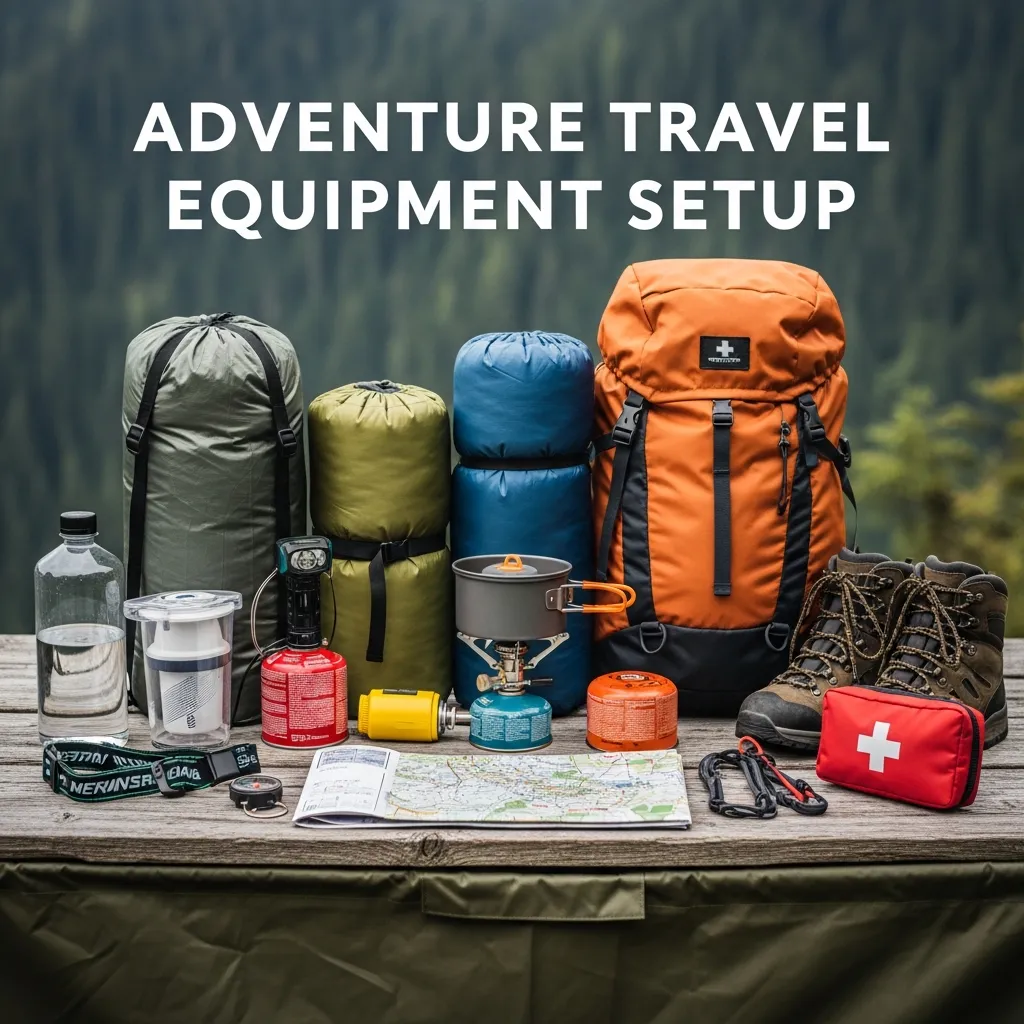
To fully enjoy overland travel, you need the right equipment. Proper preparation separates a successful overland travel experience from a stressful ordeal.
Vehicle Preparation
Your vehicle is the lifeline of your overland travel setup. Invest in high-quality all-terrain tires to handle rough paths safely. Incorporate sturdy skid plates to protect vital components during off-road exploration. A reliable suspension system is crucial for carrying the heavy loads typical of overland travel without compromising ride quality.
Shelter and Sleep Systems
Comfortable sleep is mandatory during overland travel. Many enthusiasts opt for a rooftop tent, which keeps you elevated from ground moisture and wildlife while setting up in minutes. Alternatively, sleeping inside your vehicle or using a high-quality ground tent are excellent overland travel options, provided you invest in a warm sleeping bag and an insulated sleeping pad.
Navigation and Communication
Overland travel often takes you far beyond cell phone reception. Always carry a dedicated GPS device preloaded with topographic maps. Supplement this with physical paper maps as a fail-safe. For emergencies during overland travel, a satellite communication device is absolutely vital, allowing you to call for help or check in with family regardless of your location.
Camp Kitchen Essentials
Cooking delicious meals is a highlight of overland travel. Pack a reliable dual-burner stove, durable cookware, and a 12-volt portable refrigerator. Proper food storage ensures you can venture further for longer without needing to resupply, a core principle of successful overland travel.
How to Plan Your First Overland Travel Adventure
Embarking on overland travel requires meticulous planning. Follow this step-by-step guidance to ensure your overland travel journey is safe and memorable.
Step 1: Define Your Route
Start small. For your first overland travel experience, pick a route close to home. Research local public lands, national forests, and Bureau of Land Management areas. Study the terrain and map out potential campsites, fuel stops, and water sources.
Step 2: Prepare Your Equipment
Do a complete shakedown run before your main overland travel trip. Pack your vehicle exactly as you would for the real journey and spend a weekend nearby. This test run highlights what overland travel gear you forgot and what items you can leave behind.
Step 3: Master Basic Skills
Before engaging in extensive overland travel, learn how to change a tire on uneven ground. Understand how to use recovery boards and a kinetic tow rope. Brush up on basic first aid and familiarize yourself with your vehicle’s engine bay.
Step 4: Check Weather and Regulations
Overland travel plans must remain flexible due to the weather. Always check forecasts before heading out. Furthermore, research fire restrictions and camping regulations for your destination to ensure your overland travel practices remain legal and responsible.
Common Mistakes to Avoid in Overland Travel

Even experienced adventurers make errors. Avoid these pitfalls to ensure your overland travel remains enjoyable.
Overpacking
One of the most frequent overland travel mistakes is bringing too much gear. Overloading your vehicle reduces fuel efficiency, strains the suspension, and makes finding things frustrating. Focus strictly on essentials. Remember that a major benefit of overland travel is simplified living.
Ignoring Vehicle Maintenance
Skipping pre-trip inspections is a recipe for disaster in overland travel. Always check your fluids, belts, brakes, and tire pressure before hitting the dirt. Neglecting basic maintenance can turn an amazing overland travel adventure into a dangerous stranding.
Setting Unrealistic Mileage Goals
Overland travel is about the journey, not rushing to a destination. Driving off-road is slow and exhausting. Plan to cover fewer miles than you would on a paved road trip. Take time to stop, hike, and appreciate the views.
Failing to Leave No Trace
The beauty of overland travel relies on pristine landscapes. Always pack out your trash, bury human waste properly, and stay on designated trails. Respecting the environment guarantees that overland travel remains accessible for future generations.
Pro Tips for Expert Overland Travel
Take your overland travel to the next level with these expert insights.
- Deflate Your Tires: When leaving pavement, lowering your tire pressure increases traction and softens the ride, making overland travel significantly more comfortable and safe.
- Keep Weight Low: Store heavy items like water and fuel as low as possible in your vehicle. This lowers your center of gravity, reducing the risk of a rollover during aggressive overland travel.
- Establish a Camp Routine: Assign specific tasks to your travel partners. Knowing who sets up the tent, who cooks, and who gathers firewood makes setting up camp after a long day of overland travel fast and efficient.
- Carry Spare Parts: Always carry extra fuses, hoses, a serpentine belt, and basic fluids. Being able to perform minor repairs in the field is a hallmark of seasoned overland travel veterans.
Comparison: Overland Travel vs. Traditional Camping
To fully grasp the scope of overland travel, it helps to compare it directly to standard camping.
|
Feature |
Traditional Camping |
Overland Travel |
|---|---|---|
|
Primary Focus |
The destination (the campsite) |
The journey and the route |
|
Location |
Established campgrounds, paved access |
Remote, off-grid, unpaved roads |
|
Duration |
Usually a weekend |
Extended periods (weeks to months) |
|
Mobility |
Set up camp and stay put |
Move camp daily or every few days |
|
Self-Reliance |
Low (amenities nearby) |
High (fully self-sufficient) |
|
Vehicle Role |
Transportation only |
Shelter, kitchen, and survival tool |
Understanding these differences highlights why overland travel appeals to those seeking a more dynamic and challenging outdoor experience.
The Future of Overland Travel
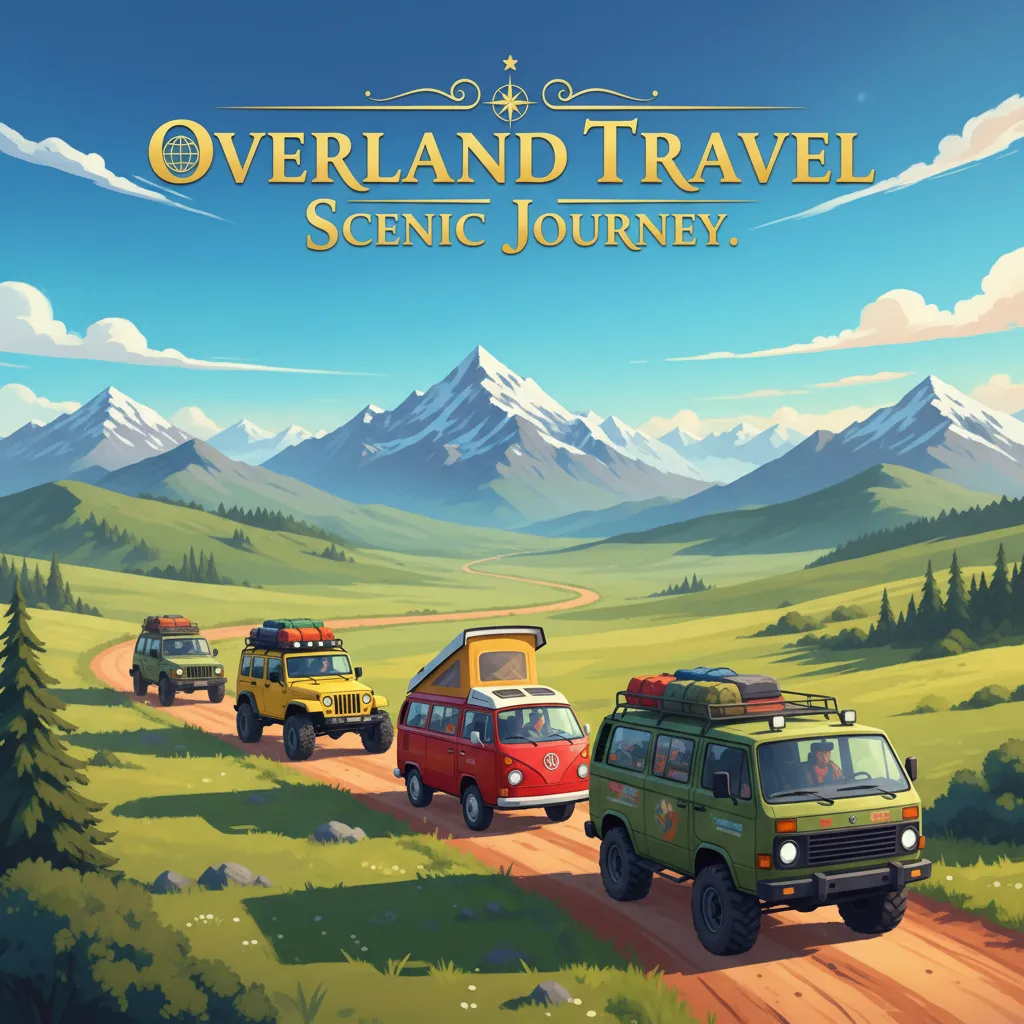
As vehicle technology advances, overland travel continues to evolve. We are seeing a rise in electric vehicles tackling overland travel routes, bringing zero-emission off-roading to the forefront. Innovations in solar power and battery management make off-grid living more sustainable, ensuring the future of overland travel is bright, eco-friendly, and more connected than ever.
Conclusion
Overland travel offers a profound way to experience the world, combining the thrill of discovery with the satisfaction of self-reliance. By embracing overland travel, you unlock total freedom, build resilience, and forge unforgettable connections with nature. Equip your vehicle, plan your route responsibly, and start your ultimate adventure today!
FAQs
1. What exactly is overland travel?
Overland travel is a vehicle-based, journey-focused form of exploration where the primary goal is experiencing the trip rather than reaching a specific destination. It heavily emphasizes self-reliance, off-road navigation, and camping in remote locations.
2. What type of vehicle do I need for overland travel?
While a 4×4 vehicle like a Jeep, Tacoma, or Land Cruiser is ideal for rugged overland travel, you can start with a reliable all-wheel-drive SUV. The key is ensuring the vehicle has adequate ground clearance and is equipped with proper all-terrain tires.
3. Is overland travel safe?
Yes, overland travel is safe when you properly prepare. Carrying essential recovery gear, a first aid kit, extra food and water, and a satellite communication device significantly mitigates the risks associated with remote travel.
4. How much does overland travel cost?
The initial cost for overland travel varies widely based on your vehicle and gear. However, once equipped, the daily cost of overland travel is quite low, as you primarily pay for fuel and groceries rather than hotels and restaurants.
5. Do I need special training for overland travel?
While formal training is not mandatory, understanding basic off-road driving techniques, vehicle recovery, and field mechanics is highly recommended to ensure a smooth overland travel experience.
6. Where can I go for overland travel?
You can practice overland travel on public lands, such as National Forests and Bureau of Land Management (BLM) areas in the US. There are also famous global overland travel routes, like the Pan-American Highway or trails across the Australian Outback.
7. How do I find places to camp during overland travel?
Use mapping apps like OnX Offroad or Gaia GPS to find legal, dispersed camping areas on public lands. These tools are indispensable for planning overnight stops during overland travel.
8. Can I bring my family on an overland travel trip?
Absolutely. Overland travel is a fantastic way to bond with family. It teaches children resilience, an appreciation for nature, and teamwork. Just ensure you pace the trip appropriately for younger travelers.
9. How do you handle hygiene during overland travel?
Maintaining hygiene during overland travel involves using portable camp showers, biodegradable soap, and wet wipes. For bathroom needs, you can use a portable camp toilet or dig a cathole according to Leave No Trace principles.
10. What is the biggest challenge of overland travel?
The biggest challenge in overland travel is usually unpredictability. Weather changes, mechanical failures, and unmapped trail closures require you to remain flexible, patient, and resourceful at all times.