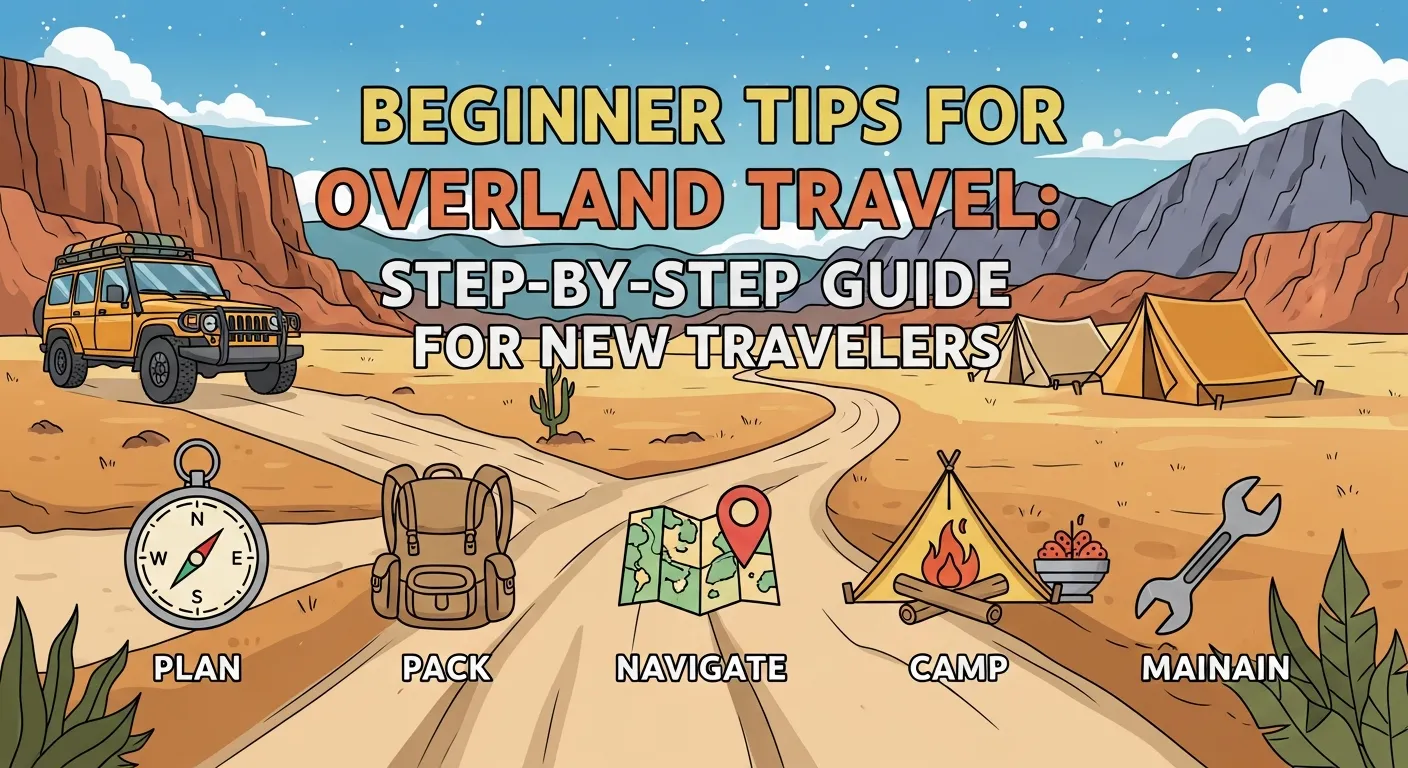
Are you ready to explore the great outdoors? Discovering the best Beginner Tips for Overland Travel will help you plan unforgettable, self-reliant adventures with total confidence.
This step-by-step guide covers everything a new traveler needs to start overlanding. You will learn how to prepare your vehicle, plan safe routes, pack essential gear, and avoid common rookie mistakes for a successful off-grid journey.
Understanding the Basics of Vehicle-Based Adventure
Overlanding focuses on the journey rather than the destination. Unlike traditional camping, it involves self-reliant travel to remote destinations where the road itself offers the primary experience. You do not need an expensive, heavily modified truck to get started. Many adventurers begin their journeys in standard four-wheel-drive vehicles or reliable SUVs. The goal is to build your skills, test your comfort zone, and experience nature on your own terms.
Before you pack your bags, you need to shift your mindset. Overlanding requires flexibility, patience, and a willingness to solve problems on the fly. You might face flat tires, changing weather, or blocked trails. Embracing these challenges turns a simple drive into a true adventure. Start with short weekend trips close to home. This allows you to test your equipment and figure out what works best for your specific travel style before committing to a month-long expedition.
Essential Beginner Tips for Overland Travel Preparation
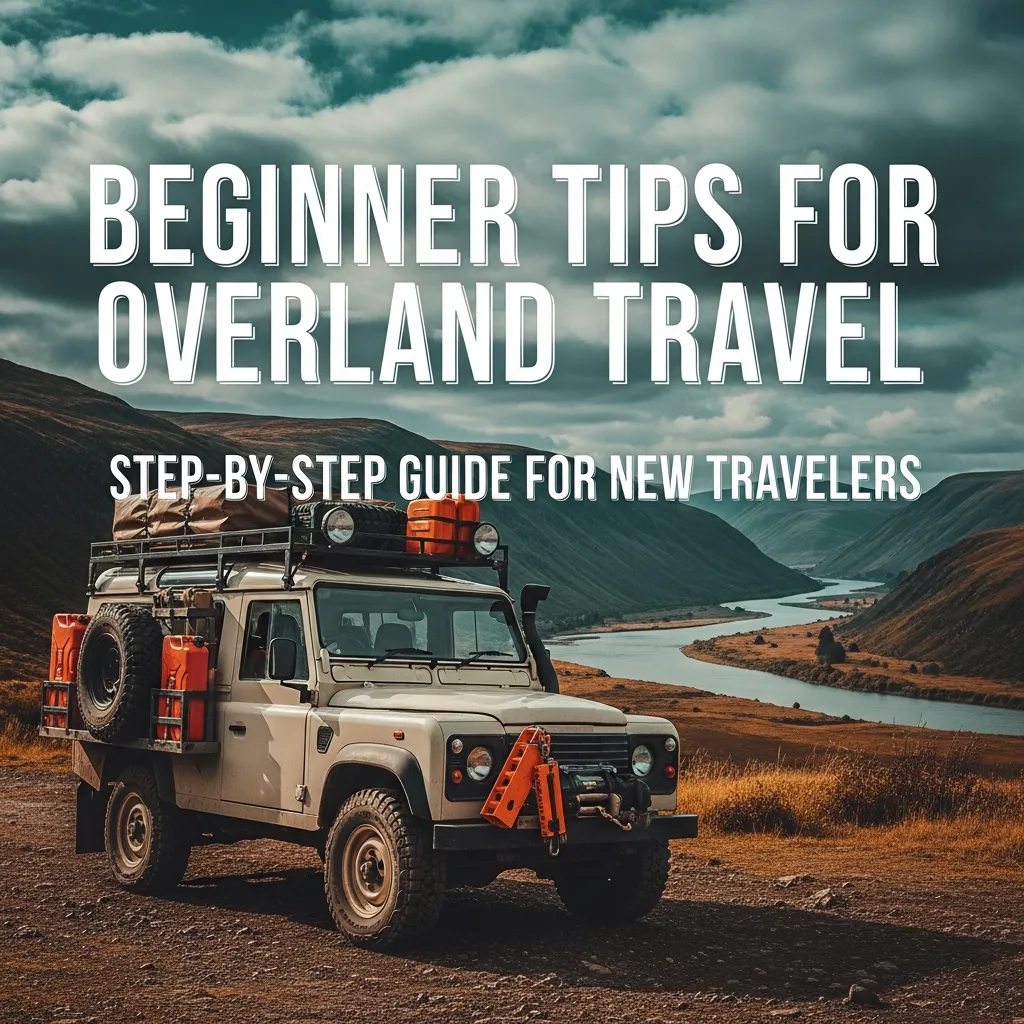
Proper preparation separates a miserable experience from a trip you will remember forever. Applying these Beginner Tips for Overland Travel ensures you stay safe while maximizing your enjoyment on the trail.
Start with the Right Route Planning
Never head into the wilderness without a solid plan. While spontaneity is fun, you need to know where you are going, where you will sleep, and where you can refuel. Start by choosing established routes designed for beginners. Look for well-documented trails on public lands, such as National Forests or Bureau of Land Management areas.
Use digital mapping tools to pre-download maps for offline use. Cellular service disappears quickly in remote areas, making offline navigation crucial. Always carry paper maps as a backup in case your electronic devices fail. Plan your daily driving distances conservatively. Off-road driving takes significantly longer than highway travel. Aim for shorter driving days so you have plenty of time to set up camp, cook, and relax before dark.
Vehicle Selection and Maintenance Checks
You do not need to spend thousands of dollars on off-road vehicle modifications to start overlanding. Your daily driver might be perfectly capable of handling beginner trails. However, you must ensure it is mechanically sound. Check your fluids, belts, hoses, and brakes. Ensure your battery holds a strong charge, as you will likely rely on it to power small camp accessories.
Tires are your most critical piece of equipment. Upgrade to high-quality all-terrain tires if possible, and always carry a full-size spare. Learn how to change a tire on uneven ground safely. Investing in a portable air compressor allows you to lower your tire pressure for better traction on dirt roads and inflate them before hitting the pavement again.
Plan Your Budget Carefully
Overlanding can be as cheap or as expensive as you make it. Create a realistic budget that covers fuel, food, park permits, and emergency funds. Fuel consumption increases significantly when driving off-road or carrying heavy gear, so overestimate your gas expenses. Bring your own food to avoid relying on expensive restaurants near tourist areas.
Must-Have Gear for New Travelers
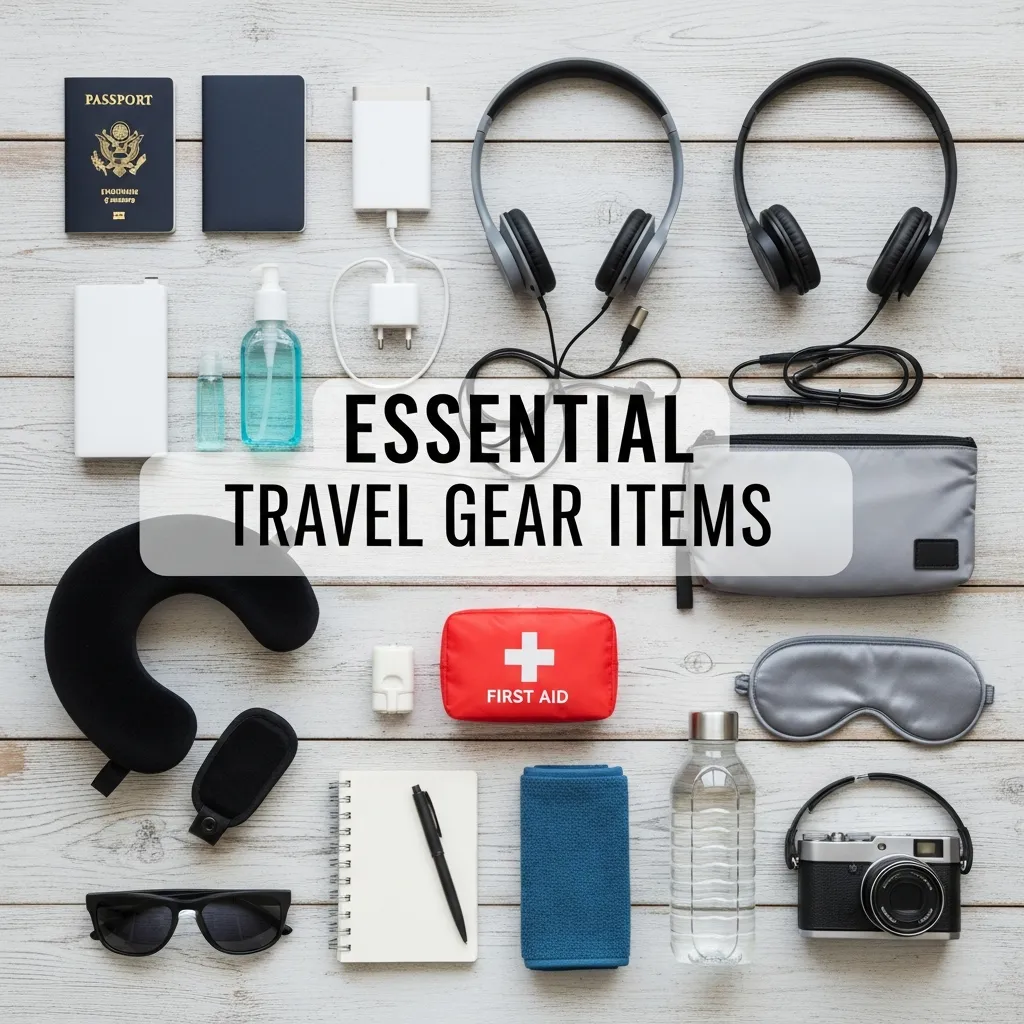
Packing the right gear keeps you comfortable and safe. Focus on high-quality essentials rather than buying every gadget you see online.
Shelter and Sleeping Arrangements
Getting a good night’s sleep is vital for enjoying your trip. You have several options for shelter, ranging from simple ground tents to expensive rooftop setups. Choose a system that fits your budget and setup preferences. Ensure your sleeping bag is rated for the lowest temperatures you expect to encounter. Bring comfortable pillows and a quality sleeping pad to insulate you from the cold ground.
Kitchen and Food Storage
Cooking at camp is one of the most rewarding parts of the journey. You do not need a complex kitchen drawer system right away. A simple two-burner propane stove, a heavy-duty cooler or portable 12-volt refrigerator, and a basic set of pots and pans will suffice. Review our guide on camp cooking essentials to learn how to pack efficient, high-energy meals. Store your food securely to keep wildlife away from your campsite.
Safety, First Aid, and Recovery Tools
Safety should always be your top priority. Carry a comprehensive first aid kit and know how to use it. Your kit should include bandages, antiseptics, tweezers, pain relievers, and any personal medications.
For vehicle recovery, carry a kinetic recovery strap, heavy-duty shackles, and traction boards. A sturdy shovel is incredibly useful for digging out a stuck tire or managing a campfire. You should also carry a two-way satellite communicator to contact emergency services if you break down out of cell range.
Comparison Table: Top Overlanding Shelter Options
Choosing the right shelter impacts your mobility and comfort. Review this table to understand the pros and cons of the most popular beginner options.
|
Shelter Type |
Setup Time |
Cost |
Best For |
Pros |
Cons |
|---|---|---|---|---|---|
|
Ground Tent |
10-15 mins |
Low |
Budget travelers |
Affordable, easy to store |
Vulnerable to rocky ground |
|
Rooftop Tent |
2-5 mins |
High |
Frequent travelers |
Keeps you off the ground |
Expensive, reduces fuel efficiency |
|
Sleeping in a Vehicle |
1 min |
Free |
Solo or couples |
Ultimate weather protection |
Limited space requires gear shuffling |
|
Travel Trailer |
5-10 mins |
Very High |
Long-term trips |
Maximum comfort and space |
Difficult to tow on tight trails |
Pro Tips for a Successful Off-Grid Experience
Veteran overlanders rely on specific strategies to make remote travel easier. Follow these expert insights to elevate your experience.
Master Your Resource Management
Water, fuel, and power are your lifeline in the backcountry. Plan to carry at least one gallon of water per person per day for drinking, plus extra for cooking and cleaning. Use stackable jerry cans or heavy-duty water jugs. Keep an eye on your fuel gauge and know the exact distance to the next gas station. Overestimate your fuel usage, as driving in four-wheel drive drains your tank quickly.
Manage your power consumption by charging devices while driving. If you plan to stay in one spot for several days, consider investing in a portable solar panel to keep your vehicle battery or portable power station topped off.
Practice Leave No Trace Principles
Preserving the wilderness ensures these beautiful areas remain open for future travelers. Always pack out your trash. Never leave toilet paper or food scraps behind. Stay on designated trails to protect fragile ecosystems. When building a fire, use existing fire rings and ensure the ashes are completely cold to the touch before you go to sleep. Check out Tread Lightly for more resources on responsible off-road travel.
Organize Your Gear Logically
A cluttered vehicle leads to frustration. Use clear plastic bins to organize your gear by category: kitchen supplies, recovery tools, dry food, and camping equipment. Label the bins so you can find what you need quickly. Keep items you might need during the drive, such as snacks, a first aid kit, and paper maps, easily accessible in the front seat.
Common Mistakes to Avoid on Your First Journey
New overlanders often make similar errors that can ruin a trip. Avoid these common pitfalls to keep your journey smooth and enjoyable.
Overpacking and Exceeding Payload
It is tempting to pack every piece of gear you own “just in case.” Overpacking adds unnecessary weight, strains your vehicle’s suspension, and drastically lowers your fuel economy. Check your vehicle’s Gross Vehicle Weight Rating (GVWR) and weigh your fully loaded rig if possible. Bring only what you truly need. After your first few trips, take note of the items you never used and leave them at home next time. Make sure you read up on optimizing your vehicle’s payload before loading heavy items on your roof.
Ignoring Weather and Terrain Conditions
Weather changes rapidly in the mountains and deserts. Failing to check the forecast can leave you stuck in deep mud or caught in a dangerous flash flood. Always monitor local weather patterns using reliable sources like the National Weather Service before heading out. If a trail looks too difficult or conditions deteriorate, swallow your pride and turn around. Getting stuck in a remote area is dangerous and expensive.
Traveling Without Redundant Communication
Cell phones are practically useless in the backcountry. Relying solely on your smartphone for maps and communication is a massive mistake. Always carry a secondary navigation tool, like a dedicated GPS unit or physical maps. For communication, use a satellite messenger device. These tools allow you to send text messages to loved ones and trigger an SOS signal to search and rescue teams if a serious emergency occurs.
Rushing the Experience
Many beginners treat overlanding like a race to the finish line. They try to cover hundreds of miles a day, leaving no time to enjoy the scenery. Slow down. The magic of remote travel happens when you pull over to hike a hidden canyon, take photographs of a unique landscape, or simply sit in a comfortable chair and watch the sunset. Set realistic daily driving goals and remember that you are on a vacation, not a rally race.
Planning Your First Weekend Shakedown Run
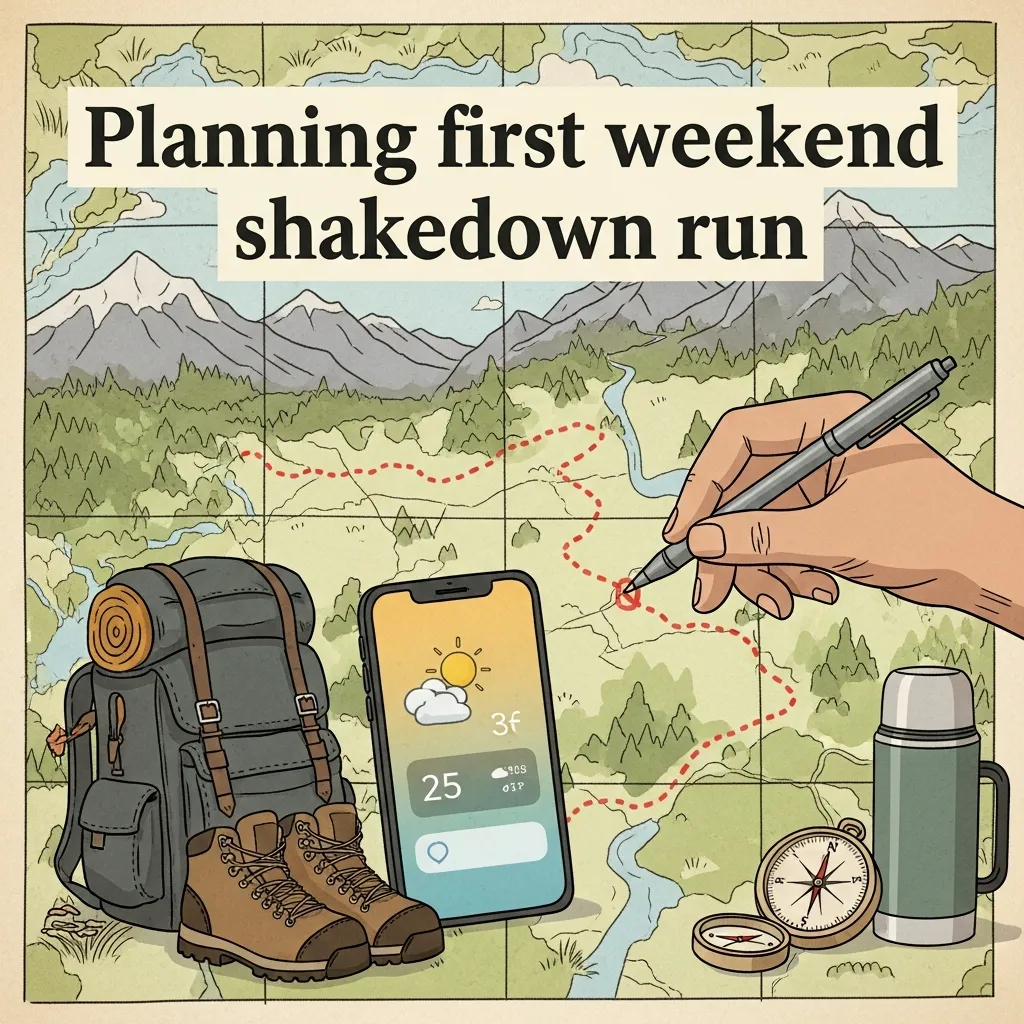
The best way to learn is by doing. Plan a simple two-night “shakedown run” close to home. Choose a local state park or a nearby national forest with easy dirt roads. The goal of this trip is not to conquer difficult terrain, but to test your systems.
Set up your tent, cook a meal, and use your gear. Pay attention to what works and what frustrates you. Did you forget a can opener? Was your sleeping bag warm enough? Did your vehicle organization make sense? Take notes during this short trip. When you return home, you can refine your packing list and make necessary adjustments before planning a more ambitious, multi-state expedition. Over time, your setup will become highly personalized to your specific needs, making every subsequent trip easier and more enjoyable.
To ensure your journey is safe, remember to always tell a friend or family member exactly where you are going and when you expect to return. Give them a copy of your route and instructions on who to call if they do not hear from you by your designated check-in time.
Conclusion
Starting your journey with these beginner tips for overland travel will set you up for safe, rewarding adventures wherever the road takes you. By focusing on thoughtful preparation, ongoing learning, and respect for the environment, you’ll gain the confidence and skills needed to explore remote places and create unforgettable memories. Ready to put these tips into action? Pack your gear, plot your route, and take your first step into the world of overland travel today!
FAQs
What is the difference between overlanding and off-roading?
Off-roading generally involves tackling difficult terrain for the thrill of the drive, often returning home or to a basecamp the same day. Overlanding is focused on self-reliant, long-distance travel to remote destinations where the journey itself is the primary goal. While overlanding often requires driving off-road, the emphasis is on exploration, camping, and sustaining yourself over several days or weeks rather than conquering extreme obstacles.
Do I need a heavily modified 4×4 to start overlanding?
No, you do not need a highly modified vehicle to begin. Many beginners start with a standard all-wheel-drive SUV or a factory 4×4 truck. The most important upgrades are high-quality all-terrain tires and a full-size spare. As you gain experience and tackle more difficult trails, you can decide if you truly need expensive modifications like suspension lifts, heavy bumpers, or specialized recovery winches.
How do I find safe places to camp off-grid?
Finding remote campsites is easier than ever using digital mapping applications and community-sourced platforms. Look for designated dispersed camping areas on Bureau of Land Management (BLM) land or within National Forests. Ensure you follow local regulations, read recent user reviews to check road conditions, and always have a backup campsite planned in case your first choice is occupied or inaccessible.
What should I do if my vehicle breaks down in the middle of nowhere?
Stay calm and stay with your vehicle, as it provides shelter and makes you easier to find. Use your satellite communication device to contact a friend, a local towing company, or emergency services, depending on the severity of the situation. Always carry basic tools, repair manuals, extra fluids, and spare parts like belts and fuses to attempt minor repairs yourself before calling for outside assistance.
How much water should I carry for a weekend trip?
A standard rule is to bring at least one gallon of water per person, per day, just for drinking. If you plan to cook meals that require boiling water, wash dishes, or clean yourself, you should carry an additional gallon per person, per day. Always bring extra water for emergencies or unexpected delays. Heavy-duty water jugs or built-in tanks are the best storage solutions.
Is it safe to travel solo, or should I go with a group?
Traveling solo offers incredible freedom but comes with increased risk since you have no immediate backup if you get stuck or injured. For beginners, it is highly recommended to travel with at least one other vehicle. If you do go solo, you must carry a satellite messenger, tell someone your exact itinerary, stick to popular and well-traveled routes, and carry redundant recovery equipment like traction boards and a winch.
What is the best way to handle bathroom needs in the wild?
When nature calls in the backcountry, you must follow Leave No Trace guidelines. If allowed by local rules, dig a “cathole” at least six to eight inches deep and 200 feet away from any water source, trails, or camp. Bury your waste completely and pack out your toilet paper in a sealed plastic bag. Alternatively, use portable camp toilets or specialized waste bags to pack everything out cleanly.
How can I keep my food cold without dealing with melting ice?
While high-quality coolers work well for short trips, managing melting ice becomes tedious over several days. The best solution for extended travel is a 12-volt portable refrigerator/freezer designed for vehicles. These units run off your car’s battery or a portable power station and keep food perfectly chilled without the mess of ice, saving you time and preventing soggy groceries.
What type of first aid training do I need?
At a minimum, you should understand basic first aid, including how to treat cuts, burns, sprains, and allergic reactions. Consider taking a wilderness first aid course through a local outdoor organization. These specialized classes teach you how to stabilize injuries, manage exposure to extreme temperatures, and handle medical emergencies when professional help is several hours or days away.
How do I manage my trash during a long trip?
You must pack out all of your garbage to keep public lands clean. Use a durable, leak-proof trash bag, such as a canvas spare tire trash bag that straps to the outside of your vehicle. This keeps odors and messes out of your interior cabin. Crush cans and break down boxes to save space, and always separate your food waste from dry trash to minimize smells that might attract local wildlife.