Heading off the beaten path brings unmatched freedom, but prioritizing your well-being is non-negotiable. Following proven Overland Travel Safety Tips guarantees your adventure remains unforgettable for the right reasons.
This comprehensive guide breaks down everything you need to know about vehicle preparation, route planning, emergency gear, and remote survival. By mastering these strategies, you will mitigate risks, handle unexpected breakdowns confidently, and ensure a secure, stress-free journey into the wild.
Mastering Vehicle Preparation for the Wilderness
Your vehicle serves as your transportation, shelter, and primary lifeline when exploring remote areas. Ensuring your rig is fully capable of handling rugged terrain is the foundational step of any successful expedition. Ignoring basic maintenance often leads to catastrophic failures miles away from the nearest repair shop.
Start by conducting a thorough inspection of your engine, suspension, and drivetrain. Check all fluid levels, including coolant, transmission fluid, brake fluid, and engine oil. Replace any worn belts and hoses, as extreme temperatures and constant vibration will quickly snap weakened rubber. Investing in off-road vehicle modifications can significantly enhance your safety margins when crossing unpredictable landscapes.
Tire health requires meticulous attention. Standard highway tires will not survive jagged rocks, deep mud, or loose sand. Upgrade to high-quality all-terrain or mud-terrain tires with reinforced sidewalls. Always carry at least one full-size spare tire, though carrying two is highly recommended for extended trips. Additionally, pack a heavy-duty tire repair kit and a reliable portable air compressor so you can plug punctures and adjust tire pressure based on the terrain you encounter.
Strategic Route Planning and Navigation
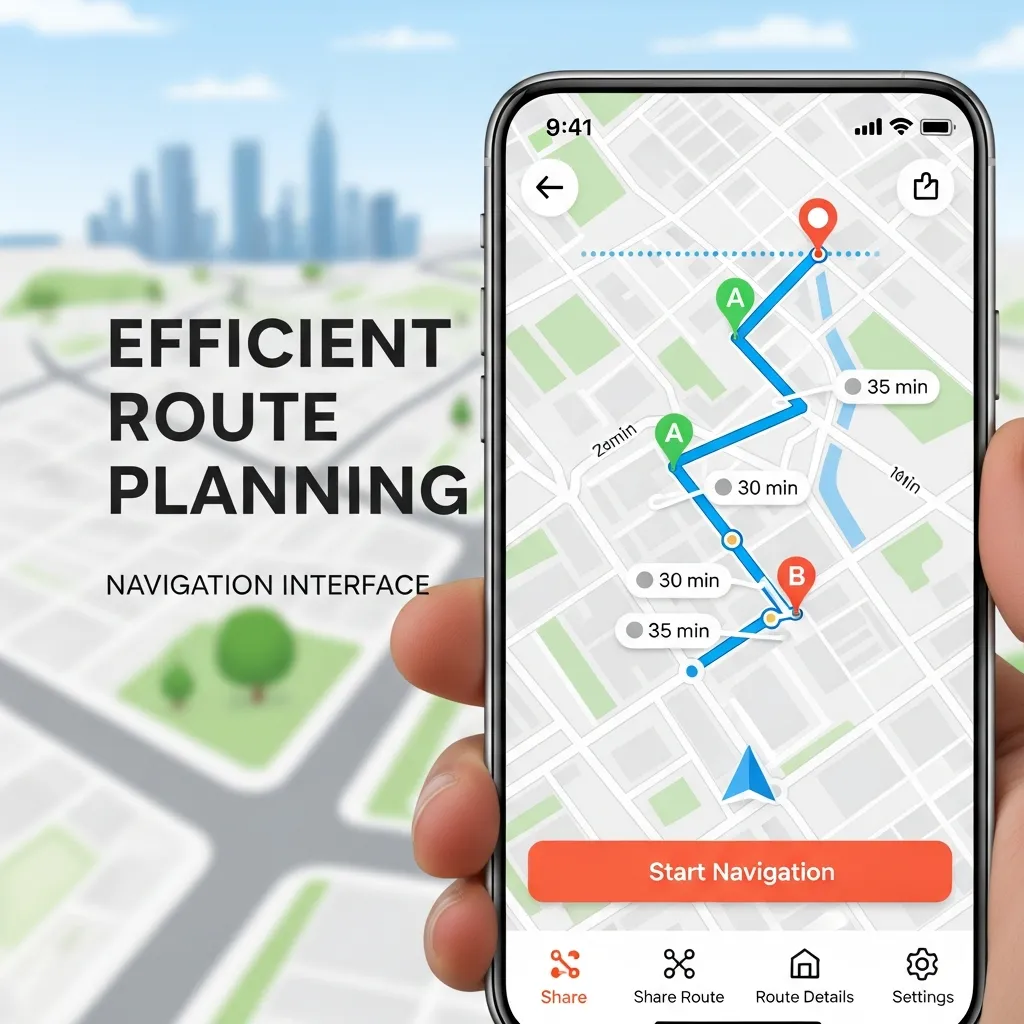
Getting lost in areas without cellular reception is a serious hazard. Effective route planning minimizes this risk and keeps you on track. You should always map out your primary route and at least two alternative paths before leaving home.
Never rely entirely on digital maps that require an active internet connection. Download offline maps to your GPS devices and smartphones. Furthermore, always carry physical topographical maps and a compass as your ultimate fail-safe. If your electronics lose power or suffer damage, traditional navigation skills will guide you to safety.
Share your detailed itinerary with a trusted friend or family member. Provide them with your expected departure dates, daily check-in times, and a strict deadline for when they should contact emergency services if they do not hear from you. This practice alone has saved countless lives. For deep backcountry exploration, consider utilizing remote navigation strategies and carrying a satellite communicator. These devices allow you to send SOS signals and text messages globally, ensuring you are never truly isolated.
Overland Travel Safety Tips for Remote Environments
Navigating remote environments demands heightened situational awareness and specific skill sets. Terrain can change rapidly, transforming a simple dirt road into an impassable obstacle within minutes. Applying proper Overland Travel Safety Tips ensures you can adapt to these harsh conditions safely.
Packing Essential Recovery Gear
Getting stuck is an inevitable part of the off-road experience. Whether you sink into deep sand, slide into a muddy rut, or high-center on a massive boulder, having the right recovery gear is absolutely critical. Attempting to free a trapped 5,000-pound vehicle without the correct tools is dangerous and often worsens the situation.
Your recovery kit should include heavy-duty traction boards, which you place under your spinning tires to regain grip. A highly rated kinetic recovery rope is essential if you are traveling with a partner vehicle, as it stretches and safely transfers kinetic energy to yank you free. Always use rated soft shackles instead of metal D-rings to connect recovery points, as metal shackles can become deadly projectiles if a strap snaps. If you travel solo, a heavy-duty winch equipped with a synthetic line and a tree saver strap is mandatory.
Understanding Basic vs. Advanced Recovery Kits
|
Gear Item |
Basic Recovery Kit (Weekend Trips) |
Advanced Recovery Kit (Deep Expeditions) |
|---|---|---|
|
Shovel |
Small folding shovel |
Full-size long-handle shovel |
|
Traction |
2 basic traction boards |
4 heavy-duty traction boards |
|
Pulling |
Standard tow strap |
Kinetic recovery rope & 10,000lb+ winch |
|
Hardware |
Metal D-Rings (Use caution) |
Rated synthetic soft shackles & snatch blocks |
|
Air Supply |
Basic 12V plug-in compressor |
Hard-mounted dual air compressor |
Navigating Unpredictable Weather
Weather conditions heavily influence the safety and accessibility of backcountry trails. Heavy rainfall can cause flash floods in slot canyons and wash out vital access roads. Sudden snowstorms can trap you at high elevations, while extreme heat increases the risk of dehydration and engine overheating.
Check long-term forecasts from reliable sources like the National Weather Service before your departure. Once on the trail, continue monitoring the sky and barometric pressure drops. If you encounter deep water crossings, always walk the crossing first—if it is safe to do so—to check for hidden drop-offs and determine the flow speed. If the water moves swiftly or rises above your tires, turn around. No destination is worth losing your vehicle to a flood.
Maintaining Health and Wellness Off-Grid
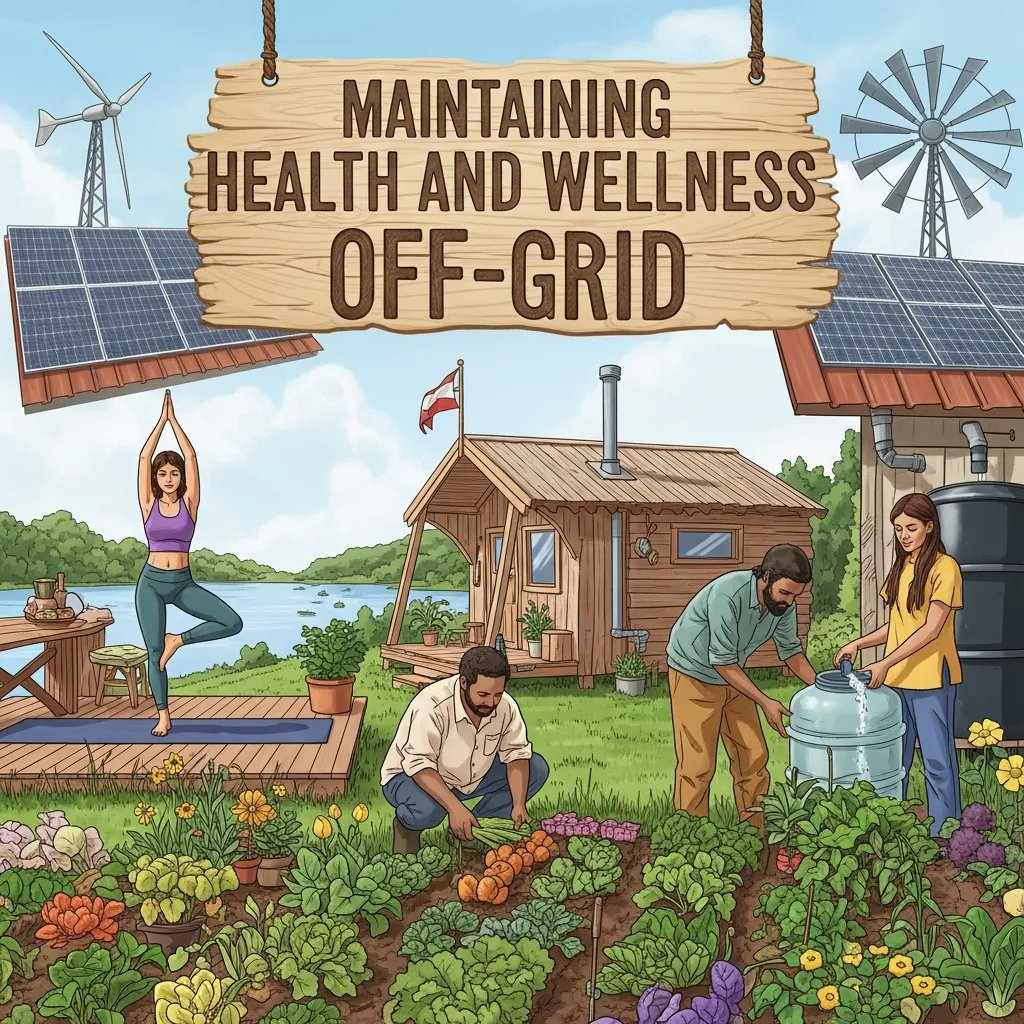
Physical health and hygiene are easily compromised when you remove the comforts of modern plumbing and climate control. Staying healthy requires proactive measures, rigorous hydration, and careful food handling.
Packing the Ultimate First Aid Kit
A standard pharmacy first aid kit is insufficient for deep wilderness travel. You need a comprehensive trauma kit capable of handling severe injuries until professional medical help arrives. Consult guidelines from organizations like the American Red Cross to assemble a proper kit.
Include heavy-duty tourniquets, hemostatic dressings for severe bleeding, Sam splints, and a wide variety of bandages. Pack a dedicated burn kit, as campfire and cooking accidents are incredibly common. Bring a generous supply of over-the-counter medications for pain relief, allergic reactions, and gastrointestinal distress. If you take prescription medications, bring double the amount you expect to need and store them in two separate locations within your vehicle.
Food and Water Storage Solutions
Dehydration is a silent threat. A widely accepted rule is to carry a minimum of one gallon of water per person, per day, just for drinking. Double this amount if you plan to travel through desert environments or engage in strenuous hiking. Store your water in durable, BPA-free containers secured firmly inside your vehicle. Additionally, carry a robust water filtration system or purification tablets so you can safely utilize natural water sources in an emergency.
Food storage requires equal planning. Rely on non-perishable, high-calorie items like dried meats, nuts, rice, and dehydrated meals for the bulk of your emergency food supply. If you run a 12-volt refrigerator, monitor your dual battery system closely to prevent food spoilage. Proper meal planning ties directly into your camping gear guide and overall camp setup.
Campsite Security and Wildlife Awareness
Choosing a safe campsite is the final hurdle of your daily drive. Always aim to set up camp well before sunset. Attempting to pitch tents and cook in complete darkness invites accidents and injuries. Look for level ground away from dead trees (widowmakers) that could fall during high winds. Avoid camping in dry riverbeds, as flash floods can strike with zero warning, even if the storm is miles away.
Wildlife encounters present another significant variable. Keep a remarkably clean campsite to avoid attracting bears, raccoons, coyotes, and rodents. Store all food, trash, and scented toiletries securely inside your locked vehicle or in certified bear-proof containers. Never bring food into your sleeping quarters. If you utilize a rooftop tent, perform routine rooftop tent maintenance to ensure the zippers and latches function flawlessly, keeping insects and small critters out while you sleep.
Expert Insights and Pro Tips
Veteran overlanders rely on a specific set of habits honed through years of trial and error. Embracing these advanced practices will elevate your safety and comfort significantly.
- Implement the Buddy System: Whenever possible, travel with at least one other vehicle. Having a second engine, a second set of tools, and extra hands makes recovering a stuck vehicle exponentially safer and easier.
- Secure All Loose Cargo: In the event of an abrupt stop or a rollover, any unsecured item inside your cabin becomes a lethal projectile. Tie down heavy tool boxes, fire extinguishers, and water jugs using heavy-duty ratchet straps.
- Practice Tread Lightly Principles: Respecting the environment keeps trails open and prevents environmental degradation. Stick to designated paths, pack out all of your trash, and leave your campsite cleaner than you found it.
- Master Your Equipment at Home: Do not wait until you are buried in mud to figure out how your winch works. Practice setting up your recovery gear, deploying your tent, and changing a tire in your driveway.
Common Mistakes to Avoid
Even experienced travelers occasionally fall into traps that compromise their safety. Be mindful to avoid these frequent overlanding errors:
- Overloading the Vehicle: Exceeding your Gross Vehicle Weight Rating (GVWR) destroys your suspension, increases braking distance, and makes your vehicle dangerously top-heavy. Weigh your fully loaded rig and eliminate non-essential items.
- Pushing Through Fatigue: Driving off-road requires intense concentration. Mental fatigue leads to poor line choices and severe accidents. Limit your trail driving to five or six hours a day and rest when you feel your focus slipping.
- Ignoring the “Turn Around” Rule: Ego gets vehicles destroyed. If an obstacle looks too treacherous, the weather turns violent, or you feel uneasy about a water crossing, swallow your pride and turn around.
- Over-relying on Technology: GPS screens break, and batteries die. Failing to carry physical maps and compasses leaves you entirely helpless if your digital systems fail.
Conclusion
Embracing these Overland Travel Safety Tips allows you to explore the world’s most remote and beautiful landscapes with total confidence. By preparing your vehicle meticulously, carrying the right recovery and medical gear, and respecting the unpredictable nature of the wilderness, you protect yourself and your passengers. Start planning your next secure, unforgettable off-road journey today by reviewing your equipment checklist and securing your route.
FAQs
What is the most important piece of safety gear for overlanding?
A comprehensive first aid and trauma kit is the most vital item you can carry. While recovery gear saves your vehicle, a proper medical kit saves lives in remote areas where ambulances cannot reach you.
How much water should I bring on an overland trip?
Plan for at least one gallon of drinking water per person, per day. You should also pack an extra two to three gallons for cooking, hygiene, and emergency radiator coolant needs.
Do I really need a winch if I have traction boards?
While traction boards are excellent for minor sand and mud recoveries, a winch is essential for serious situations, especially if you travel alone. It provides the heavy pulling power needed to extract high-centered or deeply bogged vehicles.
How can I communicate if I lose cell phone service?
Carry a satellite communication device, such as a Garmin inReach or Zoleo. These devices connect to satellite networks, allowing you to send text messages, track your route, and trigger an SOS to emergency responders from anywhere on earth.
What tire pressure should I run off-road?
Tire pressure varies based on your vehicle’s weight and terrain. Generally, dropping your pressure to 15-20 PSI increases your tire’s footprint, providing significantly better traction on rocks and sand while smoothing out the ride.
Is it safe to go overlanding alone?
Solo overlanding is possible but carries substantially higher risks. If you choose to travel alone, your vehicle preparation, recovery gear, and communication methods must be flawless. Always leave a detailed itinerary with someone back home.
How do I keep animals away from my campsite?
Maintain a spotless camp. Store all food, garbage, and scented items inside your locked vehicle or in bear-proof containers. Never throw food scraps into your campfire, and cook away from your immediate sleeping area.
What should I do if my vehicle breaks down completely?
Stay with your vehicle. Your rig provides shelter, supplies, and is much easier for search and rescue teams to spot from the air than a person walking. Use your satellite messenger to call for help and conserve your water.
How do I safely cross a river or stream?
First, check the water depth and current speed by walking across it, provided it is safe. Unbuckle your seatbelt and roll down your windows before driving into the water. Proceed slowly to create a bow wave, and maintain a steady speed.
Why is vehicle weight distribution important?
Placing heavy items like water, fuel, and tools low and center in your vehicle lowers your center of gravity. This dramatically reduces the risk of rolling over when navigating off-camber trails and steep inclines.