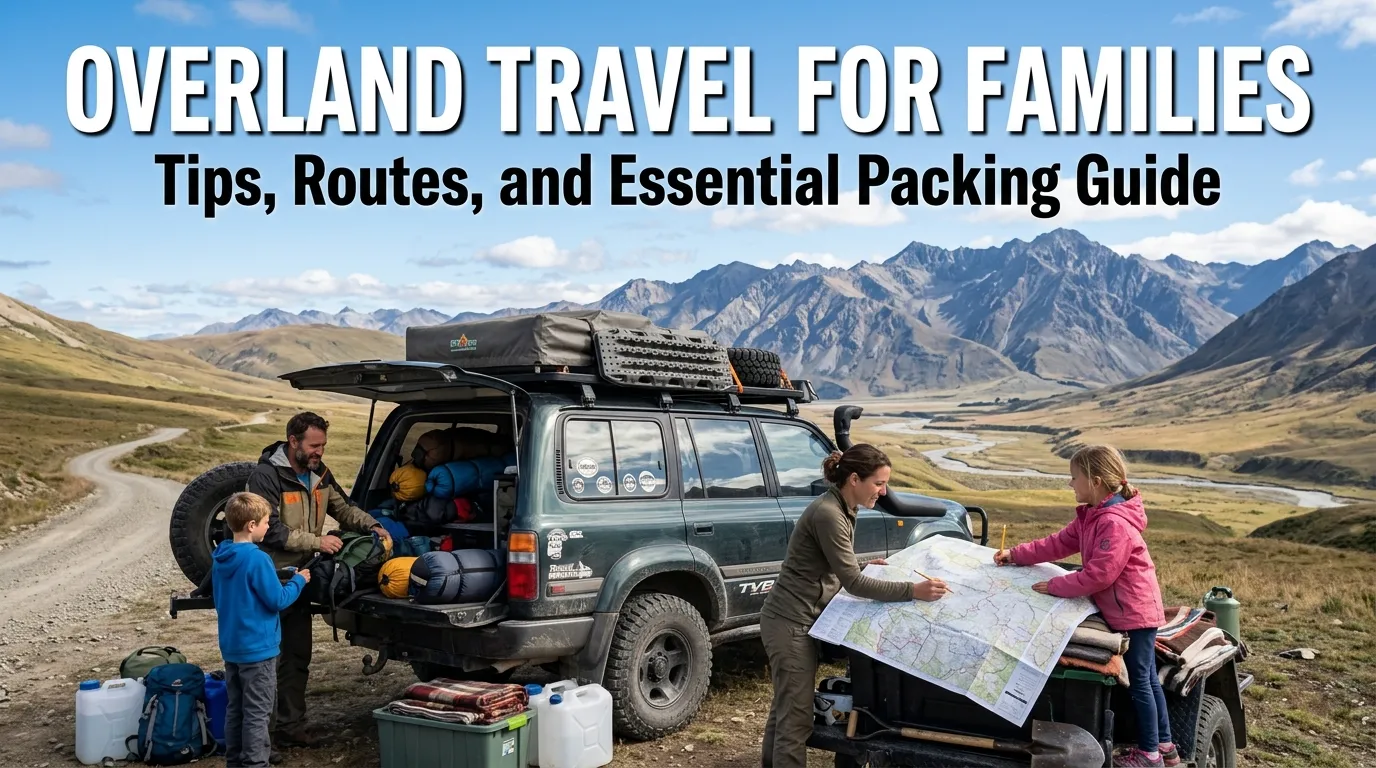
This comprehensive guide is your map to mastering overland travel for families. You’ll discover how to select and prepare the right vehicle, identify the best family-friendly routes, build a packing strategy that maximizes comfort and fun, and keep everyone safe, comfortable, and entertained from your driveway to the farthest horizon.
Planning an off-grid expedition with your kids might seem daunting, but overland travel for families opens the door to an unmatched opportunity for parents and children to bond, build resilience, and explore nature together. When you venture off the pavement and into the wild, the journey itself becomes a powerful tool for learning, communication, and joy.
Why Overland Travel for Families is the Ultimate Adventure
Taking your kids off the beaten path transforms a standard vacation into a journey they’ll remember forever. Overland travel for families isn’t just about the places you go—it’s about growing together as you adapt, problem-solve, and gain a deeper appreciation for the outdoors. This travel style challenges your family to become resourceful, flexible, and united.
Unlike standard road trips, overland travel for families calls for true self-reliance. You’ll bring your own shelter, food, and water, allowing you to reach breathtaking and remote locations far from crowded tourist traps. This kind of self-sufficiency creates confidence in both kids and adults. As you work together, from navigating dirt tracks to setting up a tent, you’ll create new skills and stronger bonds.
Perhaps one of the most liberating aspects of overland travel for families is the control you have over your schedule. If you find a pristine alpine lake, you can stay as long as you like. If the weather sours, you can quickly load up and head for sunnier skies. This flexibility is priceless for families with small children who may need impromptu breaks, naps, or delayed days. For more on balancing adventure with family flexibility, check out our guide on building flexible travel itineraries.
Choosing the Right Adventure Vehicle
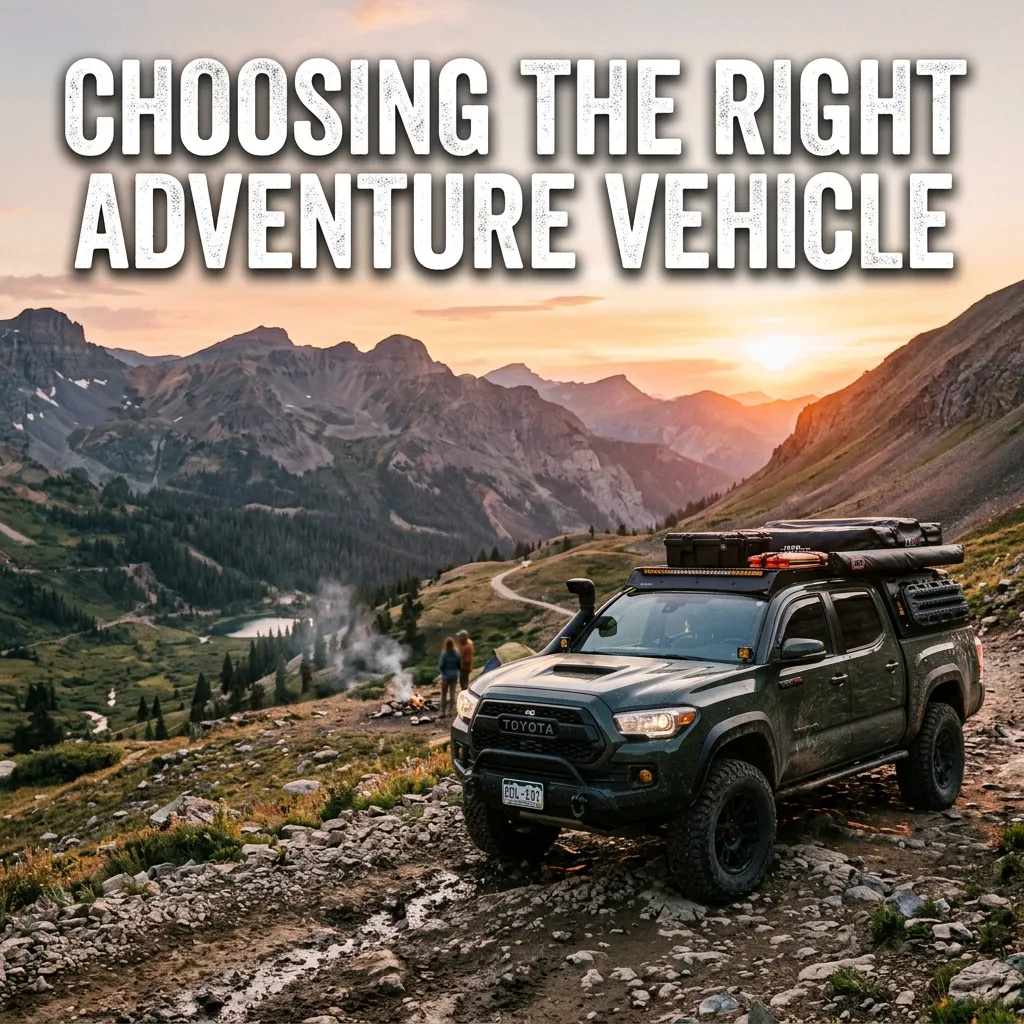
Your adventure vehicle is your mobile basecamp, a rolling command center that must balance ruggedness, space, and comfort. When it comes to overland travel for families, picking the right rig isn’t just about horsepower or four-wheel drive—you’re building a safely equipped home on wheels.
Many overlanding families start with an SUV already parked in their garage. Models like the Toyota 4Runner or Jeep Grand Cherokee provide excellent off-road prowess and often seat four to seven people, making them a practical choice for many. That said, as the family grows and the pile of gear expands, you’ll need to pay close attention to your vehicle’s payload limits. It’s easy to overload a standard SUV with water tanks, recovery gear, food, and extra sleeping space.
Trucks can be smart alternatives for overland travel for families, thanks to their superior payload and cargo beds. A mid-size or full-size pickup with a quality bed canopy or slide-in camper allows you to keep dirty equipment separate from your sleeping area. You can even opt for rooftop tents or camper boxes for extra versatility.
Families seeking living room-like comfort often gravitate toward 4×4 vans—like Sprinter or Transit conversions. These offer the most interior space for sleeping, cooking, and rainy-day hangouts, though some models do compromise on trail capability.
Vehicle Comparison for Family Overlanding
|
Vehicle Type |
Off-Road Capability |
Interior Space |
Payload Capacity |
Best For |
|---|---|---|---|---|
|
4×4 SUV (e.g., 4Runner) |
High |
Low/Medium |
Moderate |
Weekend trips, smaller families, tight trails |
|
Pickup Truck (e.g., Tacoma) |
High |
Medium |
High |
Gear-heavy trips, rooftop tents |
|
4×4 Van (e.g., Sprinter) |
Moderate |
High |
High |
Long-term travel, maximum comfort, toddlers |
No matter your vehicle, invest in high-quality all-terrain tires and carry a basic recovery kit before you leave the pavement. Vehicle-related mishaps are the #1 preventable issue in overland travel for families—adequate preparation makes all the difference.
Best Routes for Family Overlanding
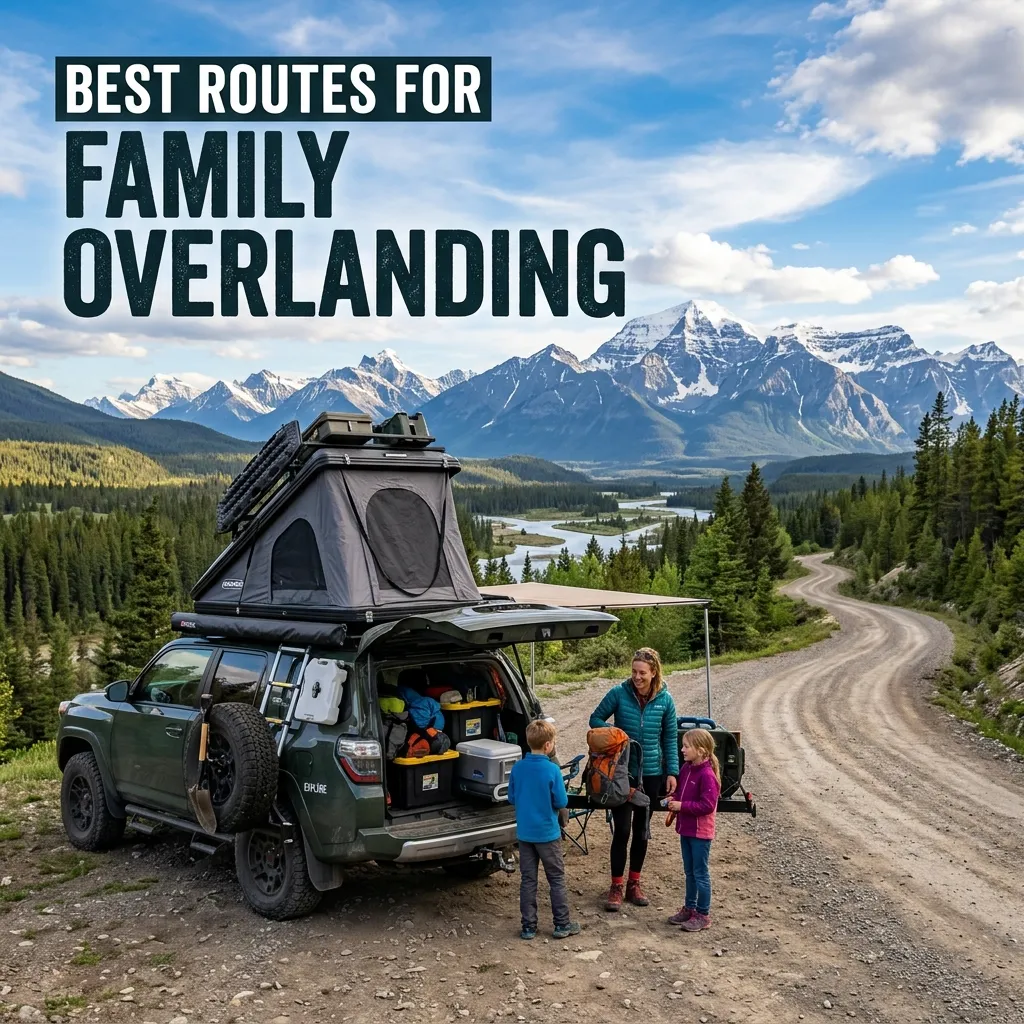
Picking the right route is crucial during overland travel for families. You want to immerse your family in stunning nature and adventure, but you also need accessible bailout points and nearby towns for emergencies, supplies, or simply easing the day.
The Trans-America Trail (Sections)
Don’t think you need to conquer the entire continent in one go. Instead, select sections that match your family’s experience. The Colorado and Utah legs provide jaw-dropping scenery, well-established dispersed camping, and shorter hops between supply towns. Because these sections are well-traveled by other families, they’re great for first-timers nervous about venturing too far from help. Plus, the trails are well-documented online, making navigation smooth.
The Baja Peninsula, Mexico
If you’re dreaming of beach camps and year-round warmth, Baja is a classic destination for overland travel for families. The drive along Hwy 1 mixes sandy double tracks with paved stretches, so you can adapt based on your comfort level or vehicle. Beach camping puts salt air (and sometimes playful dolphins!) at your doorstep, and local culture is rich. Be sure to handle Mexican auto insurance and read the U.S. Department of State travel advisory before your journey.
Utah Backcountry Discovery Route (UTBDR)
The UTBDR travels through monumental red rock canyons, slot gorges, and high-elevation mountains. For overland travel for families, it stands out by balancing wilderness with easy detours to friendly towns, state parks, and supply options. The route has plenty of state and national parks to explore, and you’re never far from civilization if you need to cut a trip short.
Other Family Destinations
- The Oregon Outback Scenic Byway is excellent for a low-traffic adventure.
- The Smoky Mountains offer mellow roads and incredible wildlife.
- Canada’s Kootenay Rockies have wide-open land perfect for beginner routes.
Want more ideas? Our family-friendly route map details dozens of “gateway” roads for overland travel for families.
Essential Packing Guide for Parents and Kids
Efficient packing is the secret sauce for successful overland travel for families. Every item must earn its place since space is limited and weight matters. “Will we use this every day?” is a great question to ask before any item goes in the vehicle.
Sleep and Shelter Systems
Rest is non-negotiable for a happy overland journey, especially with kids. Many families swear by rooftop tents—they’re fast to deploy, keep you off the wet ground, and feel adventurous. However, a quality ground tent or a vehicle-integrated mattress (for SUVs and vans) also works well, especially if you want to save money or have little ones who like a nighttime “tent dance.”
A golden rule for overland travel for families: invest in sleeping bags rated for the lowest possible nighttime temperature, plus premium sleeping pads. Bring extra-dark blankets or fabric to block sunrise and keep everyone asleep until morning. Running a trial night in your backyard can help pinpoint any sleep system issues before you hit the road. For deeper insights, browse our rooftop tent reviews.
The Camp Kitchen
Children burn energy fast—feed them well, and the entire trip becomes more enjoyable. A two-burner propane stove is the workhorse for most family kitchens. Nesting cookware saves space, and a collapsible table creates a clean prep area. Prepare and freeze family favorites (think spaghetti sauce, curries, or soup) at home to serve as easy, hearty dinners and extra ice blocks for your cooler.
A 12-volt fridge elevates overland travel for families to a new level. With reliable refrigeration, you can safely bring dairy, meat, and fresh veggies for longer journeys. It also ends the daily scramble for ice and prevents cooler water from soaking snack bags or sandwiches.
Don’t forget a basic washing basin, sponge, and biodegradable soap—clean dishes keep everyone healthy.
Kids’ Gear and Clothing
Packing layers is vital—mountain climates and desert evenings can turn chilly in a blink. Choose moisture-wicking base layers, midweight fleeces, and windproof, waterproof outer layers for everyone. Rain boots and lightweight hats are also helpful.
Limit toys to what fits in a shoebox. Nature becomes the ultimate toy box. Bring a handful of simple, rugged items: a frisbee, a dump truck, a nature journal, and washable markers for creativity at camp. Each child should have their own headlamp—it’s great for bedtime stories and makes evening routines fun.
Keeping Kids Entertained on the Trail

Keeping everyone happy on long travel days is both an art and a science when pursuing overland travel for families. Limit daily drive time to four or five hours broken by regular stops at playgrounds, rivers, or scenic vistas. Turn lunch into playtime at a town park or along a trail.
Car games, audiobooks, and music are excellent for focused travel time. Non-messy snacks like trail mix, string cheese, or dried fruit can defuse many a brewing meltdown. Even toddlers can be given a string-tied toy that won’t drop out of reach on bumpy roads.
Encourage older kids to document their trip with disposable cameras or a travel journal—this adds an educational element and helps them focus on the world outside the window. For screen time, download movies and games for rainy weather or delays.
Looking for new ways to inspire excitement? Try our guide to fun road trip games for any age.
Health, Safety, and Wilderness Readiness
Nothing is more important in overland travel for families than ensuring everyone’s health and safety. Your family may be hours from medical facilities, so you must prepare before departure.
- Carry a wilderness first aid kit: Stock it with trauma supplies, bandages, antibacterial ointment, burn gel, tweezers, and medicine for every member of the family (adults and children). If possible, take a wilderness first aid or CPR course.
- Backup navigation: Paper maps are still vital if digital devices fail. Always have physical maps and a compass as a redundancy.
- Satellite communication device: Essentials like the Garmin inReach or ZOLEO allow for worldwide texting and calling for help, even in zero cell coverage. These are invaluable for overland travel for families in remote areas.
- Leave No Trace principles: Teach these to your kids early—pack out what you pack in, respect wildlife, and minimize the impact of your campfires. Early lessons in stewardship pay off for a lifetime.
Managing Daily Chores and Teamwork
Overland travel for families thrives on team spirit. Assign simple, age-appropriate daily jobs:
- Setting up and breaking down camp
- Gathering firewood (if safe/legal)
- Filling water bottles
- Managing the day’s trash and recycling
- Tidying up the sleeping area
These tiny jobs foster confidence, teach responsibility, and keep the day running smoothly.
Common Mistakes to Avoid
Many parents new to overland travel for families make these avoidable mistakes:
- Overpacking: Extra gadgets and “just-in-case” items clog your rig, eat up space, and often go unused.
- Underestimating road time: Wilderness trails can turn a 50-mile stretch into a four-hour slog. Always budget for slow, rough roads.
- Pushing everyone too hard: Skipping breaks or skipping sleep for mileage leads to cranky, exhausted kids. When tired, stop and rest.
- Inadequate water purification: Always pack a backup filter or means to boil water in case your initial supply runs out or becomes contaminated.
- Neglecting shelter maintenance: Skipping tent checks or not waterproofing sleep gear can turn a fun adventure into a miserable night.
Careful planning helps sidestep these pitfalls and keeps the focus on fun and growth.
Pro Tips and Expert Insights

Tap into the wisdom of overland travel veterans to make your journey smoother and more memorable.
- Dedicated soft storage: Packing cubes and duffel bags maximize storage and reduce rattling. Assign a different color to each family member.
- One In, One Out Rule: Prevent clutter by having kids put toys and tools away before grabbing something else.
- Rain Day Kit: Pack cards, notebooks, special snacks, and a pre-downloaded family movie for those times when you’re stuck inside due to storms.
- Trial Runs: Do a “mini trip” near home to practice packing, sleeping arrangements, and routines. Adjust as needed before a long journey.
- Bathroom routines: Teach children about catholes and hygiene for remote camps. A potty system for toddlers can be a lifesaver.
- Carrying documentation: Have digital and paper copies of all essential identification, health records, and insurance for every family member, stored waterproof and handy.
For more advanced strategies—including gear and table recommendations—see our reviews on best overlanding gear for families and bad weather camping strategies.
The Community and Social Side of Family Overlanding
One of the joys of overland travel for families is meeting other like-minded explorers. Many regions have online groups and real-life meet-ups centered around adventure family travel, such as the “Family Adventures Overlanding” network or events like the James River State Park Rooftop Tent Rally. Attending these gatherings lets you share experiences, swap routes, and give your kids the chance to play with others who have the explorer spirit.
- Connect online: Follow families like Hourless Life or Expedition Family Happiness for inspiration and practical advice.
- Community safety: Share your location with another travel family or a trusted friend. Checking in is a core safety practice for extended overland travel for families.
Making Education Part of the Adventure
Overland travel for families naturally lends itself to “roadschooling” and outdoor education. Turn hikes into biology lessons, map reading into geography, and starry skies into astronomy classes. Kids learn best by doing—so document wildlife, teach knot-tying, or collect rocks and leaves as keepsakes.
Be sure to include some free-form play and plenty of downtime—these “bored” moments often spark creativity and family connection you won’t find in a crowded resort.
The Long-Term Benefits of Overland Travel for Families
For many, overland travel for families becomes a repeat tradition or even a long-term lifestyle. Families report stronger relationships, resourcefulness, a profound connection with the natural world, and children who are flexible, able to handle both adventure and adversity. Through every challenge—a stuck tire, a sudden downpour, a cold morning—your family gains resilience and memories you can’t make anywhere else.
Conclusion
Overland travel for families is more than just a vacation—it’s an opportunity to build lasting connections, teach life skills, and create memories against the backdrop of the world’s wildest places. Whether you’re starting with a weekend trip or planning a months-long expedition, the experience will pay lifelong dividends. Pack thoughtfully, plan with care, and always stay flexible; each journey will build your confidence to take on the next. The open road awaits—start your next overland travel for a family adventure today.
FAQs
What exactly is overland travel for families?
Overland travel for families involves self-reliant, vehicle-based adventure travel where the journey is the primary goal. It usually involves exploring remote trails, camping off-grid, and carrying all necessary supplies, food, and water with you. Overland travel for families is as much about the experience and growth as it is the destination.
What is the best age to take kids overlanding?
You can start at any age. Many families successfully overland with infants and toddlers. The key is adjusting your pace, managing expectations, and ensuring you have comfortable sleep systems and appropriate gear for their specific developmental stage. Overland travel for families can be adapted for every age group.
How do we handle bathroom needs on the trail?
When dispersed camping, you must manage your own waste. You can use a portable camping toilet with biodegradable bags or dig a cathole at least six to eight inches deep and 200 feet away from water sources. Always pack out your toilet paper. Overland travel for families works best when everyone knows basic wilderness hygiene.
Do I need a heavily modified 4×4 for overlanding?
No, you do not need a highly modified vehicle to begin overland travel for families. A stock four-wheel-drive SUV or truck with good all-terrain tires is completely adequate for thousands of miles of forest service roads and moderate trails. Modifications should be made as you find real needs.
How much water should we bring for a family of four?
A general rule of thumb is one gallon of water per person, per day, for drinking and basic hygiene. If you plan to shower or are traveling in a desert environment, increase that to a gallon and a half per person, per day. Overland travel for families demands ample water planning.
How do you keep food cold without buying ice every day?
The most effective solution is investing in a 12-volt portable refrigerator/freezer designed for off-road use. These plug directly into your vehicle’s 12V outlet or a portable power station, keeping your food safely chilled without the mess of melting ice. Cool storage is crucial for overland travel for families doing multi-day trips.
What should we do if our vehicle breaks down?
Always carry a satellite communication device to call for help if you are out of cell range. Keep a basic tool kit, a tire repair kit, jumper cables, and an air compressor on board. Most importantly, stay with your vehicle, as it provides shelter and is easier for rescuers to spot. Overland travel for families is safest with backup plans.
How do we find safe places to camp off-grid?
Use digital mapping apps like OnX Offroad or Gaia GPS. These apps show public land boundaries, such as Bureau of Land Management (BLM) and National Forest areas, where dispersed camping is typically legal and free. Overland travel for families often relies on these tools for peace of mind.
How do we handle bathing while overlanding?
For short trips, baby wipes or specialized body wipes work perfectly. For longer trips, invest in a pressurized portable camp shower. You can heat water on your camp stove, pour it in, and enjoy a warm rinse behind a pop-up privacy tent. Hygiene is manageable with foresight on overland travel for families.
Is overland travel safe for young children?
Yes, it is very safe when you are properly prepared. Prioritize securing heavy gear inside the vehicle, driving cautiously on unpredictable terrain, carrying an extensive first-aid kit, and maintaining a healthy respect for wildlife and weather changes. With thoughtful measures, overland travel for families is a safe adventure.